PCC
RegisterLogin Page

Acrylic acid derivatives

Derivatives of acrylic acid, also known as acrylates, are salts and esters of acrylic and methacrylic acid. They contain a vinyl group bonded to the carboxyl group. These are polymerizable compounds due to the presence of an active double bond in their structure. They are one of the most popular monomers used in the production of polymer plastics.

Filters
Function
Composition
Segment
Manufacturer
EXOdis PC40 (Sodium Polyacrylate) EXOdis PC40 is an anionic polymer dispersant intended for paint products. It is provided in the form of 40% aqueous solution of sodium salt of polyacrylic acid....
Composition
Acrylic acid derivatives
CAS No.
9003-04-7
EXOdis PC40 (Sodium Polyacrylate)
EXOdis PC40A (Ammonium Polyacrylate) EXOdis PC40A is a polymer anionic dispersant intended for paint products. It is supplied in the form of 40% aqueous solution of ammonium salt of polyacrylic acid....
Composition
Acrylic acid derivatives
CAS No.
9003-03-6
EXOdis PC40A (Ammonium Polyacrylate)
EXOlat C40 (Sodium Polyacrylate) EXOlat C40 is an aqueous solution of polyacrylic acid sodium salt. At room temperature, the product has a form of a clear or slightly turbid liquid. It contains...
Composition
Acrylic acid derivatives, Mixtures
EXOlat C40 (Sodium Polyacrylate)
EXOlat C40A (Ammonium polyacrylate) EXOlat C40A is an aqueous solution of ammonium salt of polyacrylic acid. At room temperature, the product has a form of a clear or slightly turbid liquid. It contains...
Composition
Mixtures, Acrylic acid derivatives
EXOlat C40A  (Ammonium polyacrylate)
EXOlat ZA EXOlat ZA is an aqueous solution of acrylic acid and maleic acid copolymer sodium salt. At room temperature, the product is a clear or slightly turbid liquid, colourless...
Composition
Mixtures, Acrylic acid derivatives
EXOlat ZA
Rokryl N4 Rokryl N4 is an aqueous dispersion of methacrylic-acrylic copolymer with a solid content of about 50% by mass. The product is a viscous, white to creamy liquid,...
Composition
Acrylic acid derivatives
Rokryl N4
Rokrysol PZW Rokrysol PZW is an excellent dispersant of inorganic pigments in the paint and varnish industry. The commercial product is a 30% sodium salt solution of polyacrylic...
Composition
Acrylic acid derivatives
CAS No.
9003-04-7
Rokrysol PZW
Rokrysol WF1 Rokrysol WF1 is an aqueous solution of polyacrylamide. The product is in the form of a colourless or light-coloured gel. The solids content is 5-7 % by mass. The...
Composition
Acrylic acid derivatives
CAS No.
9003-05-8
Rokrysol WF1
Rokrysol WF2 S Rokrysol WF2 S is an aqueous solution of partially hydrolysed polyacrylamide. The product is a colourless gel with a solid content of 5 to 7 % by mass. The product...
Composition
Acrylic acid derivatives
CAS No.
62649-23-4
Rokrysol WF2 S
1 - 9 of 9 products
Items on page: 20

Derivatives of acrylic acid, also known as acrylates, are salts and esters of acrylic and methacrylic acid. They contain a vinyl group bonded to the carboxyl group. These are polymerizable compounds due to the presence of an active double bond in their structure. They are one of the most popular monomers used in the production of polymer plastics.

How are acrylates prepared?

Acrylates are produced on an industrial scale as a result of the esterification reaction of acrylic acid with the corresponding alcohols. Depending on the substrates involved in the production process, the reaction conditions and catalysts change. For example, the reaction with low alcohols is accomplished with the help of cation exchangers, while the reaction with higher alcohols is catalysed by sulfuric acid. Another method of synthesizing acrylic acid derivative is the transesterification of lower esters using titanium alkoxides or organic tin compounds.

Derivatives of acrylic acid

The simplest polymer of acrylic acid is polyacrylic acid (PAA), which is formed as a homopolymer by free radical polymerization. The structure of this compound ensures the formation of complexes with oppositely charged polymers in aqueous solutions, as well as with surfactants or drug molecules. Popular acrylic acid derivatives are also copolymers of various acrylic acid esters and polyacrylamides.

Acrylic acid derivatives are characterized by excellent solubility in water and compatibility with other polymers containing polar groups in chains (e.g., vinyl acetate). They are highly biodegradable and have exceptionally good dispersing properties.

Applications of acrylic acid derivatives

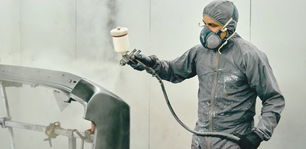
Due to the varied structure of acrylic acid derivatives, the spectrum of applications of this group of compounds is very wide. In the footwear industry, they are used as ingredients of shoe care pastes, in household chemicals – as anti-moisture preparations, in the paint and varnish industry – as dispersants and suspension stabilizers. They play the role of flocculants and are used in wastewater treatment plants. In addition, PAA and its derivatives are also used in ion exchange resins as well as in the manufacture of disposable diapers and detergents. Their modified, neutralized forms are matrices used in medicine for the production of gels and other skin treatment products.