PCC
RegisterLogin Page

Alkoxylated alcohols

Alkoxylated fatty alcohols are formed by ethoxylation and / or propoxylation of fatty alcohols. These compounds are also called alkyl polyethers. Ethoxylated derivatives are synthesized by the reaction of ethylene oxide with higher fatty alcohols of petrochemical or oleochemical origin. Analogously, propoxylated fatty alcohol derivatives are obtained by reaction with propylene oxide.

Filters
Function
Composition
Segment
Manufacturer
of 15
Rokopol® M1170 (Polyether polyol) Rokopol® M1170 is a polyether polyol, a block/statistical copolymer of ethylene oxide and propylene oxide based on glycerine. It exists in the form of liquid free...
Composition
Alkoxylated alcohols, EO/PO block copolymers
CAS No.
9082-00-2
Rokopol® M1170  (Polyether polyol)
Rokopol® M6000 (Polyether polyol) Rokopol® M6000 is a polyether polyol produced in the KOH technology. It exists in the form of homogeneous, clear liquid. It contains antioxidants (excluding BHT)....
Composition
Alkoxylated alcohols, Polyether polyols, Triols
CAS No.
9082-00-2
Rokopol® M6000 (Polyether polyol)
Rokopol® RF151 (Polyether polyol) Rokopol® RF151 is a propoxylated Mannich base, reactive multifunctional polyether aromatic polyol designated for polyurethane (PUR) rigid and semi-rigid foam production...
Composition
Alkoxylated alcohols, Polyether polyols, Amine polyols, Aromatic polyols
CAS No.
68610-97-9
Rokopol® RF151 (Polyether polyol)
Rokopol® RF151V Rokopol® RF151V is a propoxylated Mannich base, reactive multifunctional polyether aromatic polyol for polyurethane (PUR) rigid and semi-rigid foam production in...
Composition
Alkoxylated alcohols, Polyether polyols, Amine polyols, Aromatic polyols
Rokopol® RF151V
Rokopol® RF152V (Polyether polyol) Rokopol® RF152V is a propoxylated Mannich base, reactive multifunctional polyether aromatic polyol for polyurethane (PUR) rigid and semi-rigid foam production in...
Composition
Polyether polyols, Alkoxylated alcohols, Aromatic polyols
Rokopol® RF152V  (Polyether polyol)
Rokopol® G1000 (Polyether polyol) Rokopol®G1000 is glycerine-based polyether polyol (polyoxyalkylene triol) which exists in the form of homogeneous, clear liquid. It contains antioxidants (excluding...
Composition
Alkoxylated alcohols, Polyether polyols, Triols
CAS No.
25791-96-2
Rokopol® G1000  (Polyether polyol)
Chemal 13-3 Chemal 13-3 is most commonly used to add wetting and detergency characteristics to metal cleaning, I & I cleaners and textiles formulating. In addition to enhanced...
Composition
Alkoxylated alcohols
CAS No.
66455-14-9
Chemal 13-3
Chemal 2EH-18/80 Chemal ethoxylated alcohols offer excellent detergency, wetting, emulsification, dispersion, solubilizing and defoaming properties. They are ideally suited for use...
Composition
Alkoxylated alcohols
CAS No.
26468-86-0
Chemal 2EH-18/80
Chemal 2EH-5 Chemal 2EH-5 is most commonly used to add wetting, detergency and emulsification characteristics to metal and textiles formulations. In addition to enhanced wetting,...
Composition
Alkoxylated alcohols
CAS No.
26468-86-0
Chemal 2EH-5
Chemal CSA-10 Chemal CSA-10 is recommended for evaluation in detergent and emulsifying applications.
Composition
Alkoxylated alcohols
CAS No.
68439-49-6
Chemal CSA-10
Chemal CSA-14 Chemal CSA-14 is recommended for evaluation in detergent and emulsifying applications.
Composition
Alkoxylated alcohols
CAS No.
68439-49-6
Chemal CSA-14
Chemal CSA-25 Chemal CSA-25 is recommended for evaluation in detergent and emulsifying application
Composition
Alkoxylated alcohols
CAS No.
68439-49-6
Chemal CSA-25
Chemal D-25 Chemal D-25 is recommended for evaluation in wetting and detergent applications.
Composition
Alkoxylated alcohols
CAS No.
69227-21-0
Chemal D-25
Chemal DA-4 Chemal DA-4 is primarily recommended for evaluation in defoaming, wetting and emulsifying applications.
Composition
Alkoxylated alcohols
CAS No.
26183-52-8
Chemal DA-4
Chemal DA-4P2 Chemal DA-4P2 is used in rinse aids and mechanical dishwashing detergents, spray metal cleaning, formulations, and other detergent products where low foaming properties...
Composition
Alkoxylated alcohols
CAS No.
37251-67-5
Chemal DA-4P2
Chemal DA-6 Chemal DA-6 is most commonly used to add wetting and detergency characteristics to hard surface cleaner formulas in metal cleaning, I & I and textiles. In addition...
Composition
Alkoxylated alcohols
CAS No.
26183-52-8
Chemal DA-6
Chemal DA-9 Chemal DA-9 is primarily recommended for evaluation in wetting, detergent and emulsifying applications.
Composition
Alkoxylated alcohols
CAS No.
26183-52-8
Chemal DA-9
Chemal EM-5S Chemal EM-5S is an excellent emulsifiers for mineral oil based systems. This product provides good blooming qualities which produce a highly stable oil in water...
Composition
Alkoxylated alcohols
Chemal EM-5S
Chemal G-35/90 Chemal G-35/90 is a high molecular weight glycerol ethoxylate which provides excellent lubrication and emulsification properties to metalworking and textile formulations.
Composition
Alkoxylated alcohols, Glycerides
CAS No.
31694-55-0
Chemal G-35/90
Chemal LA-12 Chemal LA-12 is most commonly used to add wetting and detergency characteristics in cleaner formulations to be used at high temperatures. Chemal LA-12 improves penetration...
Composition
Alkoxylated alcohols
CAS No.
9002-92-0
Chemal LA-12
21 - 40 of 290 products
Items on page: 20

Alkoxylated fatty alcohols are formed by ethoxylation and / or propoxylation of fatty alcohols. These compounds are also called alkyl polyethers. Ethoxylated derivatives are synthesized by the reaction of ethylene oxide with higher fatty alcohols of petrochemical or oleochemical origin. Analogously, propoxylated fatty alcohol derivatives are obtained by reaction with propylene oxide.

During the standard reaction to obtain alkoxylated fatty alcohols, chains of various lengths are formed. The post-reaction mixture contains molecules with varying degrees of attachment of ethylene / propylene oxide to the alkyl radical and the alcohol, as well as small amounts of free alcohol depending on the degree of alkoxylation. There are also products on the market with a narrow distribution of homologues, but they are obtained in the presence of special catalysts (e.g. compounds based on Group II metal oxides activated with inorganic acids). Such fatty alcohol derivatives are characterized by better solubility in water, lower melting temperature, milder odour, and a lower tendency to gel.

Alkyl polyoxyethers are classified as non-ionic surfactants that do not dissociate in aqueous solutions. The hydrophilic moiety of the molecule is the ethoxylated part formed from ethylene oxide. The hydrophobic moiety is a linear primary or branched fatty alcohol of natural or petrochemical origin, less frequently a secondary alcohol. The polyoxypropylene chain is also hydrophobic.

What are the properties of alkyl polyethers?

The solubility of alkyl polyoxy ethers in water depends on the type of oxide that is part of the molecule and the construction of the aliphatic chain. Typically, higher ethoxylates are well soluble in water and have high foaming capacity. Propoxylates, on the other hand, are insoluble in water. Due to their inability to form foams, they are used as defoaming agents.

Foam formation is unfavourable in some applications, therefore surfactants with limited foaming properties are used in such cases. In the case of ethoxylated fatty alcohol derivatives, they can be reduced by introducing propylene oxide into the molecule. There are three types of oxide distribution in the molecule of such a copolymer. The first is a block system with the following scheme: radical – ethylene oxide – propylene oxide, the second type is a block system: a radical – propylene oxide – ethylene oxide, and the third one is a disordered distribution.

The alkoxylated fatty alcohols may differ in many structure features, such as the length and type of branching of the chains, the occurrence of unsaturated bonds, the occurrence and distribution of oxides in the chain. For this reason, they are considered the most flexible group of surfactants that provide a variety of properties and applications.

What characterizes ethoxylated fatty alcohols?

Ethoxylated fatty alcohols are effective detergents resistant to hard water. They are characterized by excellent wetting properties. To a certain extent of the degree of ethoxylation, they exhibit foaming properties both in water and in dilute electrolyte solutions. Electrolytes with an alkaline and acid pH improve foamability of ethoxylates, while those with an inert pH – decrease it. Their high concentrations cause a reduction in the foaming capacity of these surfactants.

The ethoxylates are compatible with all surfactants and additives used in washing and cleaning compositions. In combination with anionic compounds, they have a synergistic effect. Ethoxylated fatty alcohols also have the ability to remove oil impurities. For this reason, products containing alcohol ethoxylates can leave a dry feeling on the skin due to eroding of the lipid barrier. The shorter the polyoxyethylene chain in the molecule, the greater the irritant effect on the skin.

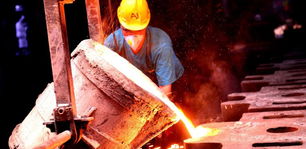
Fatty alcohol ethoxylates are excellent dispersants and emulsifiers, which is why they are widely used in washing, cleaning and lubricating compositions. Derivatives containing saturated alcohol have better lubricating properties than those based on unsaturated alcohol. Ethoxylated fatty alcohols are used, inter alia, in the metallurgical, textile, metal processing, cosmetics and plant protection industries.

Applications of alkoxylated (EO / PO) derivatives of fatty alcohols

Fatty alcohol derivatives containing oxyethylene and oxypropylene (EO / PO) molecules are characterized by reduced foaming properties, while maintaining good wettability. Such surfactants are used in applications in which the resulting foam is a disadvantageous factor. They are used in various types of industrial processes, in textile industry, in formulations intended for industrial washing and cleaning as well as in detergents for washing machines and dishwashers.