Products
Chemical Raw Materials




Personal Care & Home Care


















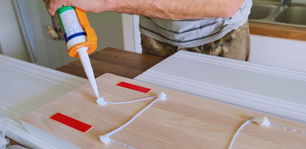
Adhesives and Sealants

Raw materials for adhesive production

Adhesives and Primers for Sandwich Panels

Adhesives for Sports and Recreational Surfaces

Comfort and Ergonomics

Electronics and Technical Applications

Polyureas

Raw materials for polyurethane gels

Rebond Foam Adhesives

Rock mass reinforcement adhesives

Rubber Granule Adhesives

Sealants

Universal adhesives

Waterproofing

Wood Adhesives
Additives
Agrochemicals





Recommended products
Recommended INCI for agricultural applications
Building & Construction

Asphalt additives

Building ceramics

Chemical anchors

Concrete & mortar additives

Construction adhesives

Drilling and tunneling

Insulation board

OCF (One Component Foam)

Other applications

PU insulation systems

Pipe covers

Pipe-in-pipe insulation

Plasterboards & gypsum additives

Preinsulated pipes

Sandwich panels

Spray Foam Insulation

Thermal & acoustic spray systems

Wire & cable insulation

Wood industry
Cleaning and Washing


Cloud point filter – low-foaming surfactants

Coatings and Inks



Electronics and Electrical Industry


Energy and Resources





Fire prevention



Food industry



Furniture industry




Lubricants and Metalworking fluids



Pharmaceuticals




Plastics and Rubbers



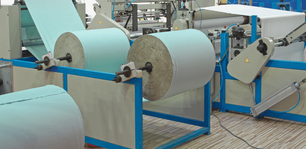
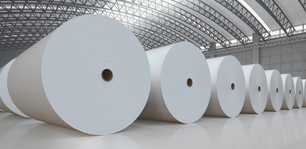
Pulp & Paper
Examples of product features
Spray insulation
Textiles and Leathers


Transportation







INCI & CAS


Surfactants




Polyurethanes





Consumer products