






















































































































A properly composed diet is important. But if you care about truly efficient and predictable meat and egg production, high-quality, carefully selected feed additives must also be an indispensable part of your chickens' diet.
Find out what they are, how they work and learn all about the types of feed additives for poultry. See the economic benefits of their regular and wise use.
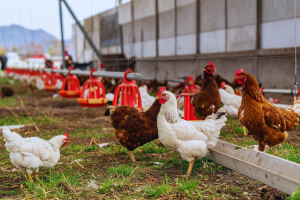
What are feed additives for poultry? Action, purpose and importance for breeding.
As the name suggests, this term refers to substances added to feed to improve its specific properties and meet the specific needs of animals. Importantly, they do not function independently, but instead act as a kind of dietary supplement.
Depending on their type and purpose, they can optimise digestive processes, strengthen the birds’ immunity, or simply ensure better utilisation of other nutrients obtained directly from the so-called basic feed.
In practice, breeders use these products to help hens absorb protein, vitamins and minerals, which in turn translates into faster weight gain and better meat quality (mainly in the case of broilers) or a greater number and better quality of eggs (especially in the case of laying hens).
What types of additives are used in chicken feed? Overview.
According to the common classification, there are several main groups of feed additives that enrich the diet of poultry. Technological additives improve specific properties of the feed itself. Zootechnical additives improve productivity, health and breeding efficiency. Sensory additives affect taste and smell, while dietary additives provide vitamins and minerals. The type and amount of additives to be given to the flock depends, among other things, on the age of the hens, their type (breeding purpose) and the specifics of the production itself.
Now that we have covered the basics, it is time to discuss the individual feed additives.
#1 Dietary additives (vitamins and minerals)
This group includes a whole range of vitamins, from A, D3, E and K to those from group B. The purpose of additives is simple – to avoid situations in which deficiencies of any of these components could occur. A vitamin A deficiency can lead to visual impairment and infections. D3 deficiency can cause rickets. The B group, on the other hand, can disrupt metabolic processes.
Minerals play an equally important role: selenium, zinc, copper, calcium and phosphorus are responsible for bone and eggshell formation, while magnesium affects the functioning of the nervous system.
#2 Probiotics and prebiotics
Probiotics create beneficial microflora in the intestines of birds. Prebiotics, in turn, are food for these good bacteria. They have a direct protective effect on the digestive system, inhibiting the growth of pathogens and supporting digestive processes. In addition, they stimulate the immune system. Indirectly, they improve feed conversion.
#3 Feed enzymes
These ingredients facilitate the breakdown of hard-to-digest components found in feed (e.g. phosphorus, fibre, proteins, etc.). In this way, they contribute to better nutrition for hens and, consequently, more efficient use of the feed they consume (which is also reflected in meat or egg production).
#4 Acidifiers and preservatives
Their task is to lower the pH level in the digestive tract, which protects poultry from the formation and growth of bacteria. In addition, they support protein digestion and increase the absorption of minerals. Their second role is to protect chicken feed during storage. They prevent the growth of mould and bacteria.
#5 Plant extracts and phytobiotics
Used for health purposes – to improve health, protect or treat already sick animals. Depending on the type, they can have antimicrobial, anti-inflammatory and antioxidant properties, as well as stimulate appetite and digestion. The most popular ones include essential oils of oregano, thyme, cinnamon, rosemary and garlic. In many cases, mixtures of these oils work better than individual ingredients.
#6 Antioxidants
They neutralise harmful molecules (free radicals) that are responsible for oxidative stress, which can damage cells and negatively affect bird productivity. They have a positive effect on the immune system and improve the quality of meat and eggs. Their use is particularly recommended in so-called stressful situations (e.g. exposure to high temperatures, poultry transport, vaccinations, etc.).
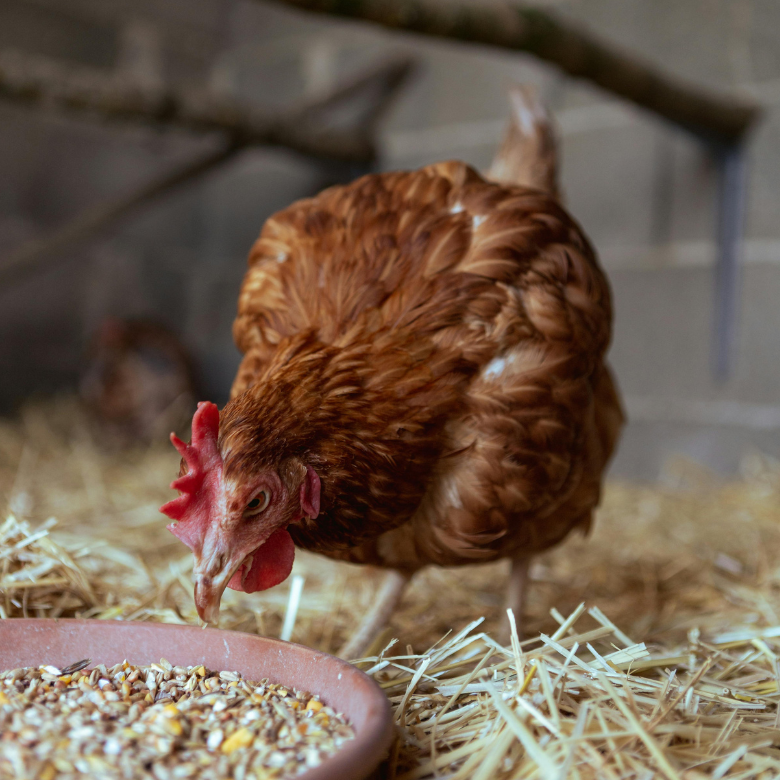
How to use them? Feeding rules.
The basis in this matter is to follow the manufacturer’s recommendations for a given feed additive. In particular, pay attention to aspects such as:
- Matching feed additives to the specific type of breeding, age of hens and their condition.
- Observing withdrawal periods and safety rules when using certain additives.
- Avoiding the use of agents that may interact with each other (and be potentially dangerous to animals).
- Storage in appropriate conditions (temperature and humidity specified by the manufacturer). They should be stored in a dry and cool place, away from sunlight.
For laying hens
The basis of the diet for egg production is, of course, additives that ensure the highest quality of the final product. Laying hens in particular need: proven sources of calcium (at the peak of the season, birds need several times more) which is responsible for the formation of eggshells. Vitamin D3 has a supportive effect, increasing its absorption. Xanthophylls (natural pigments) play an important role, giving the yolks their intense colour.
For broilers
Hens intended for meat production are characterised by rapid growth and muscle mass gain. This also means an increased demand for specific nutrients, which include: enzymes that improve the digestion of feed, probiotics that support immunity, and acidifiers that inhibit the growth of pathogens. Proper dosing is very important – adjusted to the age of the hen. The first weeks of life require the use of prebiotics, which build microflora. Selenium and vitamin E, on the other hand, improve meat quality.
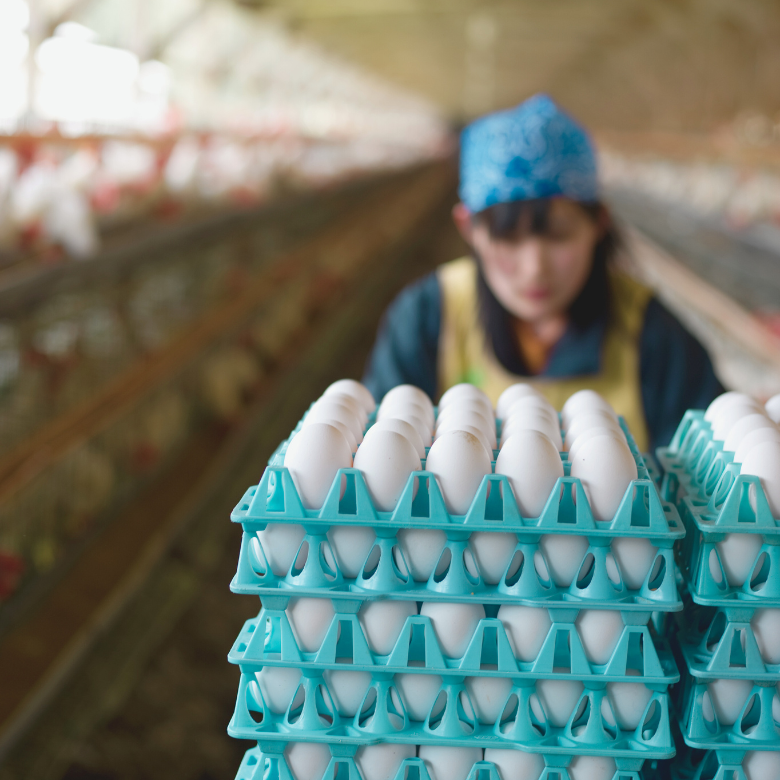
Why is it worth it? Economic and breeding benefits.
The key advantages include higher feed conversion (by up to several percent) and higher egg production (also by up to several percent). But that’s not all.
It is worth remembering that, in addition to the purely production aspect (more and better quality meat or eggs = higher profits from the sale of raw materials), the correct dosage of tailored feed for poultry also has an impact on the welfare of hens. It not only improves their condition and helps to avoid many health problems (e.g. diarrhoea, digestive problems, stress, etc.). In addition, it has a real impact on reducing the mortality rate of these birds.
Do you need professional solutions for your farm?
Discover the full range of feed additives from the PCC Group. We focus on high-quality raw materials that help to increase the productivity and profitability of breeding – poultry and more. Our product range includes a full spectrum of various raw materials for production. If you are looking for a source of knowledge, you will find it on our company blog.
- Ayalew, H., et al. (2022). “Potential Feed Additives as Antibiotic Alternatives in Broiler Production.” Frontiers in Veterinary Science.
- Perera, W.N.U., et al. (2025). “Role of feed additives in poultry nutrition: Historical, current and future perspectives.” Animal Feed Science and Technology.