



























































































































Fungal diseases are one of the most serious threats to both small and large commercial crops. They can not only reduce yields, but even lead to the complete destruction of all crops. Fungicides are agents that can counteract them.
How do they work, what types are there, and how do they affect the protection and safety of not only plants? In this publication, you will find answers to these and many more questions related to crop protection.
What are fungicides?
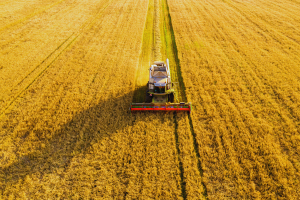
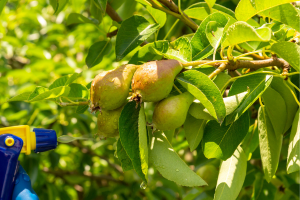
Fungicides are a group of plant protection products responsible for controlling fungal diseases. They are used in agriculture, horticulture and forestry, where they are an integral part of stable production, even in difficult and demanding conditions.
They have two simple tasks: to inhibit the growth or completely destroy pathogenic fungi, which translates into effective protection of crops against serious losses. Without them, food production would be more risky, less efficient and, in some cases, even impossible.
What types of fungicides can we distinguish?
The most popular classification is based on how they work. In this area, we can talk about:
- Contact fungicides – they remain on the surface of the plant and protect only the parts to which they have been applied.
- Systemic fungicides – penetrate the plant and move inside it, thus protecting the entire plant ‘from the inside’.
- Penetrating fungicides – are absorbed into the plant but do not move inside it.
Another classification system categorises them according to:
- Origin – natural (e.g. copper, sulphur), synthetic (triazoles, strobilurins) and biological (containing microorganisms).
- Time of application – preventive (used prophylactically), interventional (when symptoms appear) and destructive (in the case of well-developed diseases).
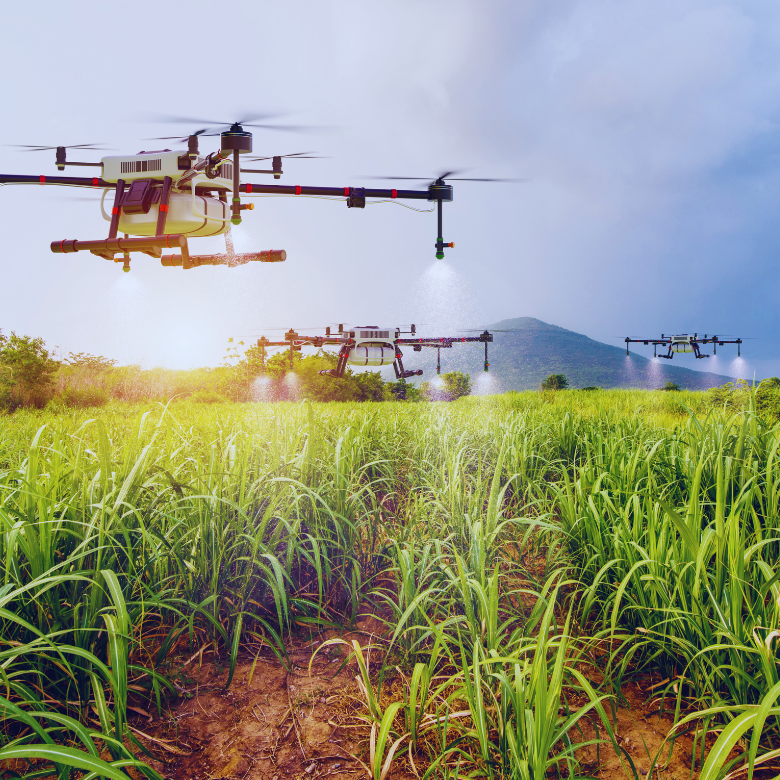
How do they work? Mechanism of disease and fungus control.
At this point, we must note that the exact rules of operation depend on the specific type of fungicide. Each has its own unique way of dealing with fungi. Hence, some fungicides are only effective against specific species (and the pathogens that attack them). As you probably know, fungi are able to adapt, which in turn requires regular rotation and the use of different agents.
The most popular mechanisms include: blocking ergosterol synthesis (without which cells cannot function), blocking protein synthesis, inhibiting cellular respiration, and disrupting cell division.
When and under what circumstances should they be used?
According to the old principle of ‘prevention is better than cure’, you can probably guess that the best results are achieved through prevention, i.e. the use of fungicides before the disease appears and develops for good.
What should you keep in mind? Weather conditions are of great importance. Fungicides work better at higher humidity and temperatures between 15 and 25°C, without strong winds or rainfall, preferably for several hours after treatment. Equally important are the waiting periods between spraying and harvesting, especially when it comes to food. Naturally, the type of agent and method of application should be adapted to the specific threat.
Especially in agricultural crops, regularity is important (from 2 to even 8 sprays per season, depending on the type of plant) as well as the use of appropriate agents (allowing for safe and scalable production). The rotation of active substances is key. Using the same chemical group will cause the fungi to become resistant to it.
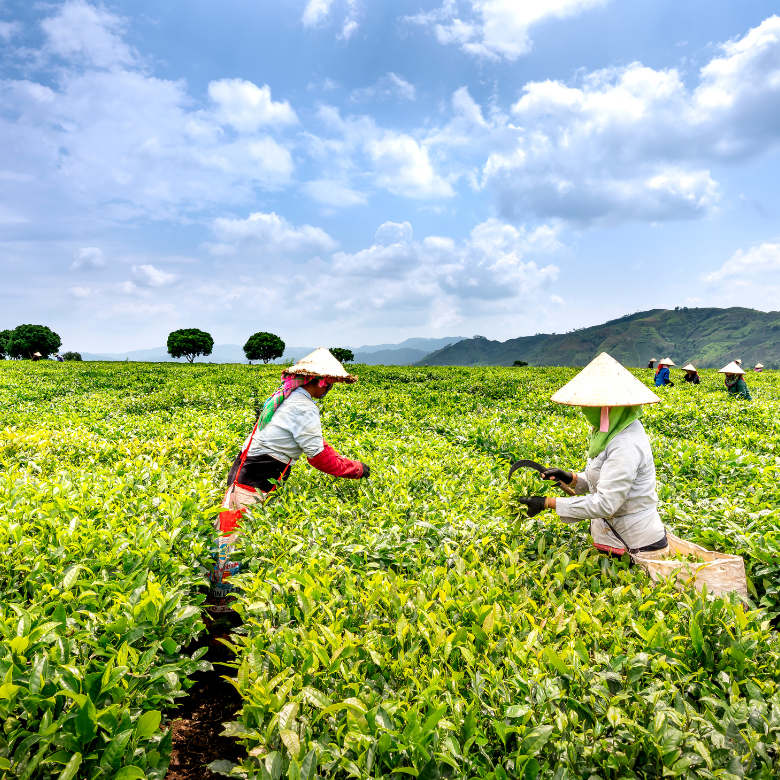
Why is it worth it? The benefits of using fungicides.
The answer is simple and concerns quality and size. These types of agents not only protect against quantitative losses, but also improve the crops themselves. They protect plants from diseases, which translates into healthier, more attractive and larger fruit and vegetables.
According to various estimates, the savings generated by fungicides (reduction of losses) can reach 40% and, in extreme cases, even 80%. They make it possible to grow crops where it would otherwise be impossible or extremely unprofitable. Conclusions? Fungicides are an investment.
Are they safe? Potential risks.
Like many other chemicals, fungicides also require the right approach. Modern fungicides undergo rigorous safety testing before being placed on the market. This means that the risk to consumers is minimal, but safety should still not be underestimated.
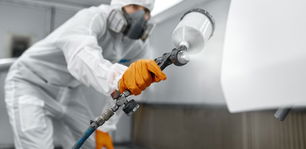
- When applying them, wear appropriate protective clothing (overalls, gloves, goggles, masks).
- Do not mix different preparations without checking their compatibility.
- Use the recommended doses.
- Pay attention to when you use them. Observe the waiting periods, as well as the periods when other organisms (beneficial bees and other pollinators) develop.
Need more information?
Fungicides are only part of a wide range of agrochemicals that help protect plants. Raw materials for the production of agrochemicals can be found in our wide range.
If you want to deepen your knowledge of chemical plant protection products, be sure to check out our other publications. We particularly recommend the article on their classification. In addition, you will find many other practical tips on plant protection and more on our blog.
- Burrows M., Fuller K., Rupp J. (2017). Fungicide Use in Field Crops: Classification, Risks, Use & Economics. Montana State University Extension, MontGuide MT201705AG
- Vademecum środków ochrony roślin – praca zbiorowa pod red. M. Korbasa (Instytut Ochrony Roślin – PIB). Wydawnictwo Agronom, 2017
- Wachowska U., Goriewa K., Duba A., Charakterystyka grup fungicydów i induktorów odporności stosowanych w ograniczaniu występowania patogenów zbóż. Zeszyty Problemowe Postępów Nauk Rolniczych. 2017, 589, s. 109-121.