















































































































Insect activity can result in the loss of a significant portion of crops. There are at least several ways to combat them. In this article, we will focus on one that is exceptionally effective and, as a result, is widely used by farmers around the world.
Insecticides in a nutshell - what are they used for and what types are there? Learn about their purpose, how they work and their use in modern agriculture.
What is an insecticide?
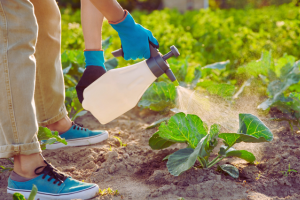
Insecticides are a category of plant protection products designed to control insects that can damage crops in agriculture, horticulture and forestry. These substances have two main tasks:
- Firstly, they eliminate pests that could destroy huge areas of crops.
- Secondly, they protect human health by removing insects that carry dangerous diseases.
As with herbicides and fungicides, their application requires special safety measures.
What types of insecticides are there? Classification by type and group.
These types of insect control products can be classified in several different ways. Among other things, we distinguish between the following categories:
- Origin: natural insecticides (derived from plants or bacteria), synthetic insecticides (chemically produced) and biological insecticides (microorganisms).
- Mode of action: contact (kill on contact with the insect), stomach (act after ingestion), gas (through the respiratory system), combined (absorbed in several ways).
- Mechanism of insect elimination: neurotoxic (attacking the nervous system), blocking cellular respiration and affecting growth and development regulation.

Impact on plant protection – how do they work?
Insecticides have one primary purpose (elimination of dangerous pests), but they do so in different ways and using a variety of biochemical mechanisms. Among other things, they can attack the nervous system of insects, stimulate growth, block respiration, and even cause physical damage to the body’s outer layer.
As with other plant protection products, the development of resistance and adaptation of pests to individual insecticides poses a challenge. Pests begin to ‘get used’ to threats, which is why it is so important to regularly rotate active substances and use insecticides with different mechanisms of action.
When and under what circumstances should they be used?
It should be noted that using insecticides as a preventive measure (i.e. just in case) is not the best idea. Instead, I recommend monitoring crops and reacting when the first visible signs of pests appear.
The highest level of effectiveness is achieved by treatments directed directly against: larvae (in the early stages of development) and adult insects (before egg laying).
They also share a vulnerability to conditions with herbicides and fungicides. Insecticides work best at temperatures between 15 and 25 degrees Celsius, with low humidity (no rain!) and calm (or no) wind.
Why is it worth it? What are the benefits of insecticides?
The two main advantages are, of course:
- Increased yields – depending on the type, they can range from a dozen to several dozen per cent (compared to crops that are NOT protected in this way).
- Improved product quality – insecticides protect plants from damage.
In addition to these, it is also worth being aware of the fact that insecticides prevent the transmission of viral diseases by insects and protect food supplies during storage.
What to keep in mind? Potential risks.
The use of insecticides also carries certain risks. From a health perspective, it is important to note the toxicity that occurs when excessive doses are used. In addition, they can affect the environment, including: posing a threat to bees and other pollinators and beneficial insects, causing groundwater and surface water pollution, and thus affecting birds, fish and other non-target organisms.
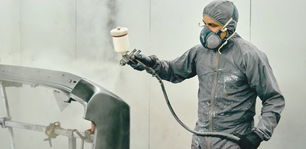
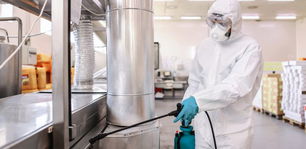
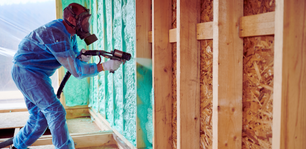
To minimise or completely avoid such problems, protective clothing should be worn (during application) and the doses and waiting periods should be observed.
You can find more about agrochemistry on our blog and in our catalogue.
Would you like to learn more about plant protection products? On our company blog, you will find practical advice on the safe use of preparations in agriculture and beyond. We particularly recommend an expert article on the classification of chemical plant protection products.
If you are interested in our range, we invite you to explore and check out our full range of agrochemicals.
- https://www.britannica.com/technology/insecticide
- https://npic.orst.edu/ingred/ptype/insecticide.html