






















































































































Many refer to them as specific ‘controllers’ of plant life and development processes, which determine how they grow, flower and bear fruit.
Learn about the definition, mechanisms of operation, classification and everything else worth knowing about these tools of modern agriculture
What are plant growth and development regulators?
This term refers to a group of chemicals that are responsible for controlling key processes in plants – from seed germination to fruit ripening. They include a wide range of compounds (synthetic and natural – phytohormones). Unlike herbicides or insecticides, for example, the role of regulators is not to combat pathogens or pests.
On the contrary, their task is to modify the developmental processes of the plant itself so that it grows strong, large and healthy. Phytohormones are produced by the plants themselves, while synthetic ones are created by humans (very often offering greater effectiveness, including stability and precision of action).
How do they work? Description of the mechanism.
Growth regulators can work in many different ways. Some of them mimic natural plant hormones. Others block receptors and interrupt natural processes, and even influence the biosynthesis or degradation of natural phytohormones. The final effect of these ingredients depends on: the plant species, its stage of development, environmental conditions and the dose used.
In practice, they increase the resistance of plants to stress, improve the efficiency of nutrient use and enable cultivation in more difficult conditions.
Classification of regulators according to their purpose
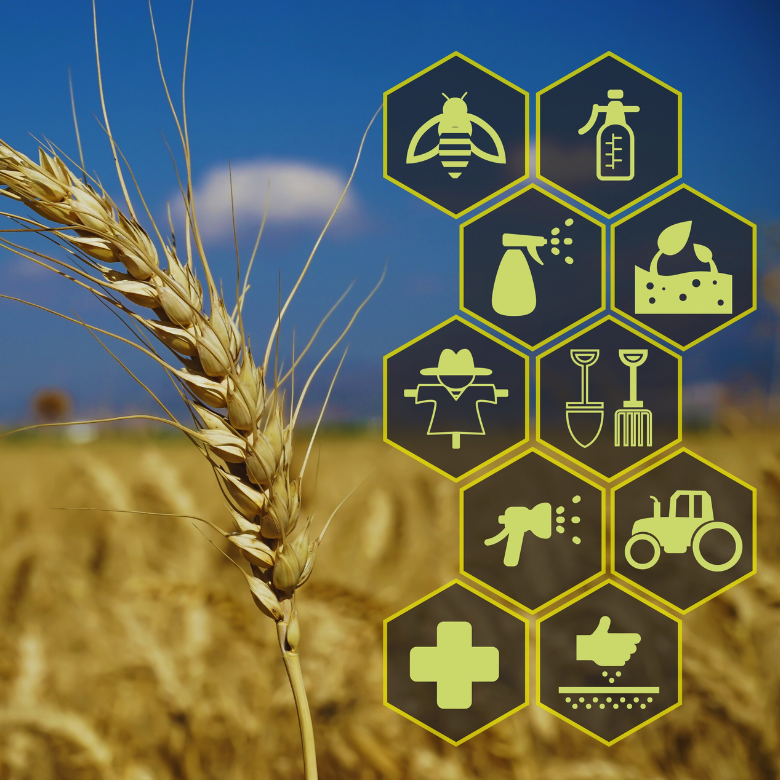
- Group 1 are growth stimulants. They can be used to support the rooting of seedlings, prevent fruit drop, increase fruit quantity and size, and even stimulate flowering.
- Group 2 are growth inhibitors. They focus on controlling and sometimes even slowing down growth. To this end, they shorten the stalks or regulate apical dominance, for example.
- Group 3: ripening regulators. They are responsible for the final stages of development. They can accelerate fruit ripening and extend the shelf life of the products themselves.
In which industries and areas are they used?
Plant growth regulators have found their place in virtually every field related to plant production. From large-scale cereal crops to precision ornamental plant cultivation – wherever control over natural development processes is needed.
#1 Agricultural crops
Growth regulators are particularly useful in cereal crops (they shorten the stalks, strengthen the stems and improve plant tillering), rapeseed (they improve its resistance and enhance ripening) and potatoes (they help control tuber sprouting).
#2 Fruit growing
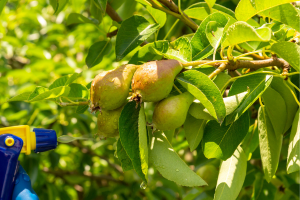
In this area, they allow for larger and significantly better fruit (in terms of quality, taste and appearance).
#3 Ornamental plant cultivation and nursery
Here, their ‘attention’ focuses on the appearance and overall condition of the plants. They can support the rooting processes of difficult species and stimulate branching. They are also invaluable when propagating rare varieties.
When and under what circumstances should plant growth regulators be used? Calendar.
What do herbicides, insecticides and fungicides have in common? The answer is… suitability. The best results can be achieved when the right amounts of substances are applied to the right plants and at the right time.
Examples? In rapeseed crops, they work best before winter and in early spring. The best time for fruit trees is just after flowering. In the case of ornamental plants, it is worth taking an individual approach.
Why is it worth it?
The real impact on increasing yields is important, but it is certainly not the only aspect worth noting and emphasising. The wise use of plant growth regulators gives you, above all, real control over the quality of your products (they even out ripening, allow you to achieve better parameters and make it easier to plan production dates). All this translates into optimised labour costs, better adaptation to market requirements and, consequently, lower losses and higher profits.
What about the negative aspects? Potential risks associated with the use of growth regulators.
Before we conclude, it is time to say a few words about the limitations. Like any tool of this type, growth regulators also require responsible use.
The main cause for concern is incorrect dosing. This can lead to phytotoxicity and physiological disorders, create a risk of substances entering groundwater (and thus affect other organisms).
Discover more information about modern agrochemistry
To start with, we recommend reading the publication on the classification of chemical plant protection products. In addition, you will find plenty of other tips on our blog, which we regularly and happily share.
If you know that growth regulators are just one of many fascinating branches of agrochemistry and want to check out others, take a look at our range of agrochemicals.
- Rutkowska, A. „Stymulatory wzrostu a środki ochrony roślin”. Instytut Uprawy – Nawożenia i Gleboznawstwa – PIB, 2021. Dostęp: https://www.iung.pl/wp-content/uploads/2021/12/Rutkowska_Stymulatory_srodki-ochrony.pdf
- Zhumanova, N., Akimbayeva, N., Myrzakhmetova, N., et al. (2024). “A Comprehensive Review of New Generation Plant Growth Regulators (PGRs).” ES Food and Agroforestry, 17, 1190
- Niveshika, J., Aiswarya, A., & Yarmichon, A. (2020). Plant growth regulators used for in vitro micropropagation of Orchids: A research review. International Journal of Biological Research, 8(1), 37-42.
- https://plantcelltechnology.com/blogs/blog/understanding-plant-growth-regulators-types-and-uses-in-tissue-culture