





















































































































Modern cattle farming poses many challenges for farmers. On the one hand, they want to achieve the highest possible production efficiency (whether it be meat or milk). On the other hand, they cannot forget or neglect the health, condition and general well-being of their livestock.
As you can probably guess, one of the important elements of this puzzle is food, in particular feed additives for cattle. Their task is to supplement the diet with nutrients that are essential for growth and maintaining full strength and health. What is worth knowing about feed additives for breeding cattle? Learn about their purpose, types and uses.
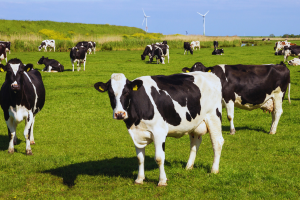
What are feed additives for cattle and what role do they play in modern farms?
These are special substances that are added to the basic (proper) feed in order to improve its specific properties. The main goal is, of course, to raise a healthy herd with high productivity (meat or milk). They take into account not only the nutritional needs of the animals or the purpose of their breeding, but also the specific structure of the digestive system of ruminants.
Properly selected and appropriately applied feed additives can even determine the efficiency and success of production. Their roles are to improve digestion, facilitate the absorption of nutrients and strengthen the immunity of cattle.
Classification of feed additives used in cattle nutrition
In accordance with the regulations, we can divide them into several basic groups, each of which has its own specific purpose and tasks.
- Technological additives – improving the physical properties of feed.
- Sensory additives – changing their taste and smell.
- Dietary additives – supplying (supplementing) vitamin and mineral deficiencies.
- Zootechnical additives – increasing the production efficiency of breeding.
Below, we focus on discussing specific substances.
Mineral and vitamin additives
A balanced supply of macro- and microelements is the basis for cattle health. Calcium and phosphorus deserve special attention, as they are directly responsible for bone structure and milk production (hence their supplementation is very important in dairy cows, especially during the perinatal period). Magnesium plays a role in preventing pasture tetany. Selenium and vitamin E strengthen cattle immunity.
Buffers and pH regulators
The correct pH level is also crucial for the health of these animals, reducing the risk of ruminal acidosis. In this area, so-called buffering additives (including sodium bicarbonate, magnesium oxide, bentonite), which effectively stabilise the rumen environment. An additional positive side effect of using these additives is, for example, the prevention of lameness, reduced milk fat content and fertility problems.
Protein additives and nitrogen compounds
This is another additive that is essential for breeding cows for milk production. These animals need a lot of protein, which naturally requires supplementation.
Energy additives
The principle of cattle breeding is simple. High production efficiency (whether meat or milk) requires high-yield cows with increased energy (calorie) requirements. So-called protected fats, which are a concentrated source of energy (they bypass the rumen and do not interfere with rumen fermentation), are ideal for this purpose. However, their use not only improves the energy balance itself. It also increases the fat content of milk and supports cattle fertility.
Important: they should be introduced gradually to give the animal’s organism time to adapt.
Probiotics, prebiotics and synbiotics
Cattle microflora is another area that requires special care. After all, this is where most potential health and fitness problems begin, and this is where they can be addressed.
- Probiotics (live microorganisms) – improve fibre digestion and increase microbial protein synthesis.
- Prebiotics (food for beneficial bacteria) – support their growth, activity and overall condition.
- Synbiotics – a combination of probiotics and prebiotics, which allows for a synergistic effect. They work particularly well in the nutrition of young animals, where they support the development of the gastrointestinal microflora. They are also recommended for cows in transition.
Feed enzymes
This group includes cellulases, amylases and phytases, among others. These enzymes are designed to aid the digestion of nutrients (to improve production efficiency), including increasing the availability of energy, protein and phosphorus. Their action is invaluable, especially when using lower quality feed.
Herbs and plant extracts
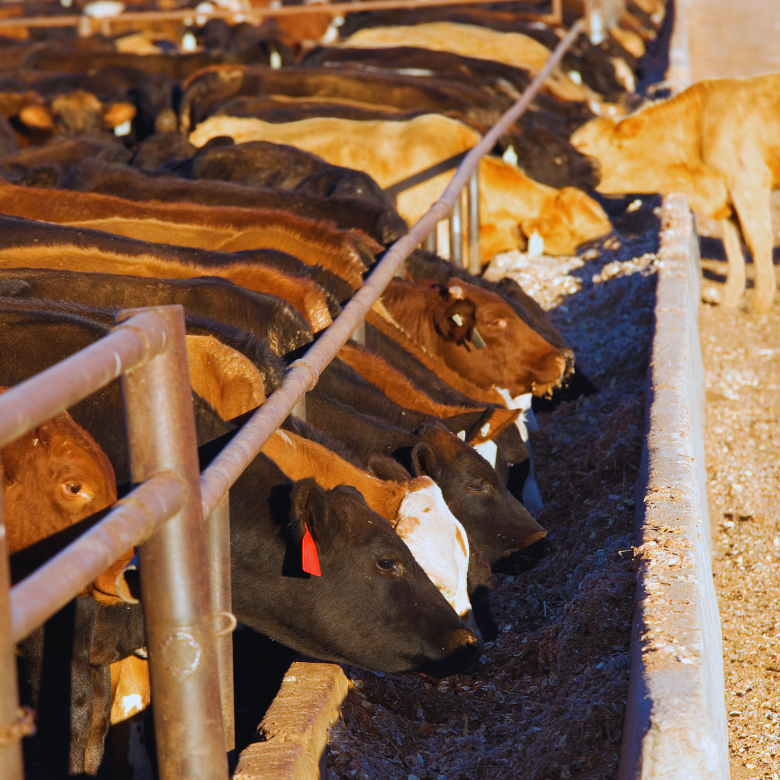
What about natural feed additives? These are becoming increasingly popular, including in the field of cattle nutrition. This group includes garlic (which has antibacterial and antiparasitic properties), oregano and thyme (which fight pathogens), fenugreek (which improves appetite and increases milk production), and milk thistle (which protects the liver of animals).
Such phytobiotics come in several forms – as dried herbs, essential oils, as well as classic extracts. They can be a natural and equally effective alternative to standard antibiotics.
How to match them to the needs of cattle?
The choice of appropriate feed additives depends on many factors. ‘Before’ you should consider: the age of the animals, the type of breeding and the current production phase. Your analysis must take into account not only ‘what and in what quantities to feed’. The origin of the additives themselves is equally important. Therefore, assess the quality and stability of the product, the reputation of its manufacturer, and check the price-quality ratio it offers. All kinds of certificates, standards and test results may be helpful.
If you are unsure or inexperienced, remember that it is always worth consulting nutrition advisors and veterinarians.
What else should be taken into account? Of course, young cows (calves) have different needs than those in lactation, and cattle intended for meat production have completely different needs.
Feed additives for dairy cows
Additives alone cannot replace a properly balanced diet. Therefore, you should first ensure a good nutritional basis and then enrich it with appropriate supplementation.
- Support for metabolism and immunity (especially during the transition period) – protected choline, niacin and vitamin E (with selenium).
- Improvement of milk composition and production efficiency – protected fats and mineral and vitamin additives.
- Support for reproductive system function – beta-carotene and organic mineral compounds.
Additives for beef cattle
Beef cattle have slightly different requirements than dairy cows. Here, too, the composition and quantity of the actual feed, to which supplements are only an addition, plays a key role. In addition, when selecting feed additives, it is important to remember that their use (higher prices) should be justified by the final production efficiency.
- Growth and development of muscle mass – zinc, chromium and proteins.
- Improvement of meat quality (including shelf life and taste) – vitamin E and selenium.
Supplementing the diet of calves and young cattle
The youngest animals definitely need special nutritional support. Proper supplementation – right from the start – has a real impact on the later health, condition and performance of these animals.
- Fat emulsifiers, acidifiers, probiotics and immunoglobulins, as well as vitamins and microelements, are responsible for supporting the digestive and immune systems of calves.
- Support for natural defence mechanisms – beta-glucans.
In addition, additives that minimise stress also play an important role during transport and isolation.
Are you looking for proven products to enrich your cows’ diet?
PCC’s offer includes a full range of feed additives dedicated to cattle breeding – for small, medium and large farms. Check out our range, where you will find high-quality ingredients that support the health and productivity of cattle – regardless of their purpose. For a dose of additional knowledge, we encourage you to visit our company blog.
- Jeroch, H., & Lipiec, A. (2012). Pasze i dodatki paszowe. PWRiL, Warszawa.
- Beck, P. A., & Biggs, R. (2022). Feed Additives for Beef Cattle Production. Oklahoma State University Extension Fact Sheet AFS-3038.
- Szacawa, E., & Bednarek, D. (2022). Zastosowanie dodatków paszowych jako naturalnych stymulatorów układu odpornościowego u bydła. Weterynaria w Terenie, 4/2022.
- Esmail, S. H. (2022). Effects of feed additives on rumen fermentation. All About Feed, 4 April 2022.
- Radkowska, I., & Radkowski, A. (2014). Fitogeniczne dodatki paszowe i ich wpływ na efektywność produkcji mleka. Hodowca Bydła, 4/2014.