PCC
RegisterLogin Page

Rigid foams

Rigid foams are polyurethane materials mainly used for sealing and insulation.


Filters
Function
Composition
Segment
Manufacturer
of 5
Rokester® 1711 (Polyester polyol) Rokester 1711 is a polyester polyol. It comes in the form of a viscous liquid. It has hydroxyl value within the range of 185-195 mgKOH/g and dynamic viscosity within...
Composition
Polyesters, Polyester polyols
Rokester® 1711  (Polyester polyol)
Rokester®2402.01 (Polyester polyol) Rokester® 2402.01 is a polyester polyol. It exists in the form of homogeneous, colourless to pale yellow liquid. It has hydroxyl value within the range of 230-250...
Composition
Polyester polyols
Rokester®2402.01  (Polyester polyol)
Rokester® 2416 (Polyester polyol) Rokester® 2416 is a polyester polyol. It exists in the form of homogeneous, colourless to pale yellow liquid. It has hydroxyl value within the range of 225-245 mgKOH/g,...
Composition
Polyester polyols, Polyesters
Rokester® 2416  (Polyester polyol)
Rokester®2421 (Polyester polyol) Rokester® 2421 is a polyester polyol. It exists in form of a clear, pale yellow to yellow liquid. It has hydroxyl value within the range of 240-255 mgKOH/g and dynamic...
Composition
Polyester polyols, Polyesters
Rokester®2421  (Polyester polyol)
Rokester® 2430 (Polyester polyol) Rokester 2430 is a polyester polyol. It exists in the form of homogeneous, colourless to pale yellow liquid. It has hydroxyl value within the range of 230-250 mgKOH/g...
Composition
Polyester polyols
Rokester® 2430  (Polyester polyol)
Rokester®2600 (Polyester polyol) Rokester® 2600 is a polymer from the group of aromatic polyester polyols. It exists in the form of a viscous liquid, a colour pale straw-to-olive liquid. It has...
Composition
Polyester polyols, Polyesters
Rokester®2600  (Polyester polyol)
Rokester®3016 (Polyester polyol) Rokester® 3016 is a polyester polyol. It exists in the form of homogeneous liquid. It has hydroxyl value within the range of 270-300 mgKOH/g, and dynamic viscosity...
Composition
Polyesters, Polyester polyols
Rokester®3016 (Polyester polyol)
Rokester®3110 (Polyester polyol) Rokester® 3100 is a polyester polyol. It exists in the form of homogeneous liquid. It has hydroxyl value within the range of 300-330 mgKOH/g and dynamic viscosity...
Composition
Polyester polyols, Polyesters
Rokester®3110  (Polyester polyol)
Rokester® 3164.01 (Polyester polyol) Rokester® 3164.01 is a polyester polyol. It comes in the form of a viscous liquid. It has hydroxyl value within the range of 280-315 mgKOH/g, and dynamic viscosity...
Composition
Polyester polyols
Rokester® 3164.01 (Polyester polyol)
Rokester®7525GT (Polyester polyol) Rokester® 7525GT is a polyester polyol. It exists in the form of homogeneous, colourless to pale yellow liquid. It has hydroxyl value within the range of 170-190...
Composition
Polyester polyols, Polyesters
Rokester®7525GT  (Polyester polyol)
Rokester® DP 1500.01 (Polyester polyol) Rokester® DP 1500.01 is a polyester polyol. It exists in the form of viscous liquid. It has hydroxyl value within the range of 145-155 mgKOH/g, and dynamic viscosity...
Composition
Polyester polyols
Rokester® DP 1500.01  (Polyester polyol)
Rokester® DP 1952.14 (Polyester polyol) Rokester DP 1952.14 is a polyester polyol. It exists in the form of homogeneous, colourless to pale yellow liquid. It has hydroxyl value within the range of 195-215...
Composition
Polyester polyols
Rokester® DP 1952.14  (Polyester polyol)
Rokester® DP 1970.01 (Polyester polyol) Rokester® DP 1970.01 is a polymer from the group of aromatic polyester polyols. It exists in the form of a viscous liquid. It has a hydroxyl value within the range...
Composition
Polyester polyols
Rokester® DP 1970.01 (Polyester polyol)
Rokester® DP 3133.01 (Polyester polyol) Rokester® DP 31330.01 is a polymer from the group of aromatic polyester polyols. The product comes as a pale yellow to olive colour liquid free of mechanical impurities....
Composition
Polyesters, Polyester polyols
Rokester® DP 3133.01 (Polyester polyol)
Rokester® DP 3500.01 (Polyester polyol) Rokester® DP 3500.01 is a polyester polyol. It exists in the form of a viscous liquid. It has hydroxyl value within the range of 330-370 mgKOH/g, and dynamic viscosity...
Composition
Polyester polyols
Rokester® DP 3500.01  (Polyester polyol)
Rokester® 3610 (Polyester polyol) Rokester® 3610 is a polymer from the group of aromatic polyester polyols. It exists in the form of a homogeneous liquid, a colour pale yellow to brown. It has a...
Composition
Polyesters, Polyester polyols
Rokester® 3610 (Polyester polyol)
Rokester® DP NV 2402.01 (Polyester polyol) Rokester® DP NV 2402.01 is a polyester polyol. It exists in the form of homogeneous, colourless to pale yellow liquid. It has hydroxyl value within the range of...
Composition
Polyester polyols
Rokester® DP NV 2402.01 (Polyester polyol)
Rokester® DP NV 2402.02 (Polyester polyol) Rokester® DP NV 2402.02 is a polyester polyol. It exists in the form of homogeneous, colourless to pale yellow liquid. It has hydroxyl value within the range of...
Composition
Polyester polyols
Rokester® DP NV 2402.02 (Polyester polyol)
Rokester® DP NV 2416.01 (Polyester polyol) Rokester® DP NV 2416.01 is a polyester polyol.It exists in the form of viscous liquid. It has hydroxyl value within the range of 225-245 mgKOH/g, and dynamic viscosity...
Composition
Polyesters, Polyester polyols
Rokester® DP NV 2416.01 (Polyester polyol)
Rokester® DP NV 2416.02 (Polyester polyol) Rokester® DP NV 2416.02 is a polyester polyol. It exists in the form of homogeneous, colourless to pale yellow liquid. It has hydroxyl value within the range of...
Composition
Polyesters, Polyester polyols
Rokester® DP NV 2416.02 (Polyester polyol)
41 - 60 of 100 products
Items on page: 20

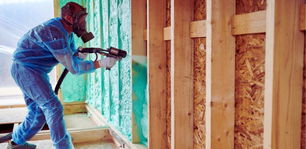
Rigid foams are polyurethane materials mainly used for sealing and insulation.


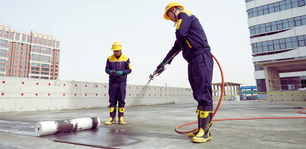
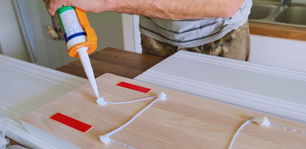
They can be divided into block, one-component, spray and pourable foams. They show similar properties, but they differ in the method of application. Block foams are made by cutting a block of rigid foam into slabs with specific thickness values. One-component foams (OCFs) are the easiest ones to apply: by using an applicator directly from the can, where a reaction creating the foam occurs. The application of spray foams is similar to that of OCFs, but the main difference lies in the scale of application. Pourable foams exist as liquids which increase their volume during the application, and thus fill the gaps.