PCC
RegisterLogin Page

Polyurethanes

Discover the full range of polyurethane (PUR) substances, which are one of the most versatile, modern and safe groups within plastics.

Filters
Function
Composition
Segment
Manufacturer
of 12
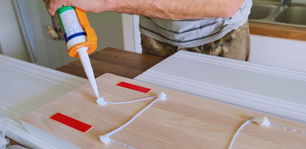
Rokanate M PE 1503.07 (Polyurethane adhesive) Ready to use Rokanate M PE 1503.07 is a one-component, solvent-free, moisture-curing polyurethane adhesive. It is designed for gluing a broad range of construction materials....
Composition
Prepolymers, 1K Adhesives
Rokanate M PE 1503.07 (Polyurethane adhesive)
Rokanate M PE 1503.15 (Polyurethane adhesive) Ready to use Rokanate M PE 1503.15 is a one-component, solvent-free, moisture-curing polyurethane adhesive. It is designed for gluing a broad range of construction materials....
Composition
Prepolymers, 1K Adhesives
Rokanate M PE 1503.15 (Polyurethane adhesive)
Rokanate M PE 1503.30 (Polyurethane adhesive) Ready to use Rokanate M PE 1503.30 is a one-component, solvent-free, moisture-curing polyurethane adhesive. It is designed for gluing a broad range of construction materials....
Composition
Prepolymers, 1K Adhesives
Rokanate M PE 1503.30 (Polyurethane adhesive)
Rokanate M PE 1503.60 (Polyurethane adhesive) Ready to use Rokanate M PE 1503.60 is a one-component, solvent-free, moisture-curing polyurethane adhesive. It is designed for gluing a broad range of construction materials....
Composition
Prepolymers, 1K Adhesives
Rokanate M PE 1503.60 (Polyurethane adhesive)
Rokanate M PE 1602 (Polyurethane adhesive) Ready to use ROKANATE M PE 1602 is a one-component polyurethane adhesive designed for industrial applications in the wood and construction industries. The product is a liquid...
Composition
Prepolymers, 1K Adhesives
Rokanate M PE 1602 (Polyurethane adhesive)
Rokanate M PE 1602.25 (Polyurethane adhesive) Ready to use ROKANATE M PE 1602.25 is a one-component polyurethane adhesive designed for industrial applications in the wood and construction industries. The product is a liquid...
Composition
Prepolymers, 1K Adhesives
Rokanate M PE 1602.25 (Polyurethane adhesive)
Rokanate M PE 2401 Rokanate M PE 2401 is quasi-prepolymer based on MDI mixture with medium functionality (2.2 - 2.5). It exists in form of a clear, amber liquid. It is characterized...
Composition
Prepolymers
Rokanate M PE 2401
Rokanate M PE 2402 (Polyurethane adhesive) Ready to use Rokanate M PE 2402 is a quasi-polyurethane prepolymer based on an MDI mixture with medium functionality (2.2–2.5). It is characterized by a dynamic viscosity at...
Composition
Prepolymers
Rokanate M PE 2402 (Polyurethane adhesive)
Rokanate M PE 2602 (Polyurethane adhesive) Ready to use Rokanate M PE 2602 is a one-component polyurethane adhesive based on polymeric MDI with a high functionality value of over 2.5. It is supplied as a liquid ranging...
Composition
Prepolymers, 1K Adhesives
Rokanate M PE 2602 (Polyurethane adhesive)
RokaPur PR2K 100 (Polyurethane adhesive) Ready to use RokaPur PR2K 100 is a mixture of polyether polyols with additives, developed as the polyol component (component A) in two-component polyurethane systems. It is characterized...
Composition
Prepolymers, 2K Adhesives
RokaPur PR2K 100 (Polyurethane adhesive)
Rokester® 1711 (Polyester polyol) Rokester 1711 is a polyester polyol. It comes in the form of a viscous liquid. It has hydroxyl value within the range of 185-195 mgKOH/g and dynamic viscosity within...
Composition
Polyesters, Polyester polyols
Rokester® 1711  (Polyester polyol)
Rokester®2402.01 (Polyester polyol) Rokester® 2402.01 is a polyester polyol. It exists in the form of homogeneous, colourless to pale yellow liquid. It has hydroxyl value within the range of 230-250...
Composition
Polyester polyols
Rokester®2402.01  (Polyester polyol)
Rokester® 2416 (Polyester polyol) Rokester® 2416 is a polyester polyol. It exists in the form of homogeneous, colourless to pale yellow liquid. It has hydroxyl value within the range of 225-245 mgKOH/g,...
Composition
Polyester polyols, Polyesters
Rokester® 2416  (Polyester polyol)
Rokester®2421 (Polyester polyol) Rokester® 2421 is a polyester polyol. It exists in form of a clear, pale yellow to yellow liquid. It has hydroxyl value within the range of 240-255 mgKOH/g and dynamic...
Composition
Polyester polyols, Polyesters
Rokester®2421  (Polyester polyol)
Rokester® 2430 (Polyester polyol) Rokester 2430 is a polyester polyol. It exists in the form of homogeneous, colourless to pale yellow liquid. It has hydroxyl value within the range of 230-250 mgKOH/g...
Composition
Polyester polyols
Rokester® 2430  (Polyester polyol)
Rokester®2600 (Polyester polyol) Rokester® 2600 is a polymer from the group of aromatic polyester polyols. It exists in the form of a viscous liquid, a colour pale straw-to-olive liquid. It has...
Composition
Polyester polyols, Polyesters
Rokester®2600  (Polyester polyol)
Rokester®3016 (Polyester polyol) Rokester® 3016 is a polyester polyol. It exists in the form of homogeneous liquid. It has hydroxyl value within the range of 270-300 mgKOH/g, and dynamic viscosity...
Composition
Polyesters, Polyester polyols
Rokester®3016 (Polyester polyol)
Rokester®3110 (Polyester polyol) Rokester® 3100 is a polyester polyol. It exists in the form of homogeneous liquid. It has hydroxyl value within the range of 300-330 mgKOH/g and dynamic viscosity...
Composition
Polyester polyols, Polyesters
Rokester®3110  (Polyester polyol)
Rokester® 3164.01 (Polyester polyol) Rokester® 3164.01 is a polyester polyol. It comes in the form of a viscous liquid. It has hydroxyl value within the range of 280-315 mgKOH/g, and dynamic viscosity...
Composition
Polyester polyols
Rokester® 3164.01 (Polyester polyol)
Rokester®7525GT (Polyester polyol) Rokester® 7525GT is a polyester polyol. It exists in the form of homogeneous, colourless to pale yellow liquid. It has hydroxyl value within the range of 170-190...
Composition
Polyester polyols, Polyesters
Rokester®7525GT  (Polyester polyol)
101 - 120 of 227 products
Items on page: 20

What is polyurethane? Parameters, properties and possibilities.

Polyurethanes, abbreviated as PUR or PU, are polymers. They have a virtually unlimited range of applications, making them an integral part of modern life. They are used in the manufacture of both consumer and industrial goods.

They occur mainly in the form of polyurethane foams, obtained as a result of the reaction of multifunctional isocyanates with polyols (including polyether polyols) and many auxiliary substances. Thanks to this diversity, the possibilities for their synthesis are limited only by the imagination.

Compared to polyamides, they are more fusible, which makes the processing easier. However, they also have lower mechanical resistance. These properties make them often used in the production of spandex fibres (e.g. Lycra, elastane).

How are they made? History and modern production.

They are the result of an addition reaction between polyols and multifunctional isocyanates. This process is also accompanied by compounds – reaction catalysts (e.g. in the form of iron, zinc or bismuth salts), but also additives in the form of stabilisers or blowing agents. Their structure is distinguished by the presence of a urethane group [-O-CO-NH-] in the main chain.

These compounds were first obtained in 1937 as a result of scientific work by Bayer, a German chemist, and his research team. Even then, they gained enormous popularity in industry. However, this has been particularly evident over the last twenty years.

The polyurethane manufacturing process allows for the production of a relatively lightweight material, which makes it easier to process and subsequently transform and adapt to its final application without requiring large financial outlays. With the right additives, polyurethane can also be distinguished by its high level of hardness and resistance to damage.

Depending on the selection of basic raw materials and additives used in the production of polyurethane, it takes the form of foam in various states of aggregation or a solid form. This also affects the final form of products in which we can find polyurethanes, such as polyurethane foams, resins, fibres, adhesives, various types of coatings or urethane elastomers.

The practical application of polyurethanes. What are they used for?

Due to their diverse properties, polyurethanes have gained the reputation of a unique group of polymers that are used in such areas of life and the economy as transport, construction, the furniture industry and mining.

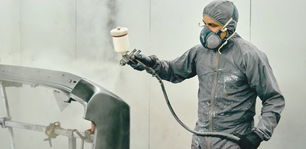
They are also widely used in everyday life, including in the home, in the car, in sports equipment and even in clothing. In the automotive industry, in addition to polyurethane coatings, moulded upholstery fittings, rigid foams for bumpers and interior design elements (e.g. dashboards and headliners) are used.

Polyurethanes are present in seats at airports, in aeroplanes, trains, buses and bicycles. In addition, products such as multi-coloured sponges for bathing or washing dishes, and foams for sealing windows and doors, are also made of polyurethanes.

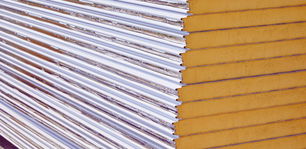
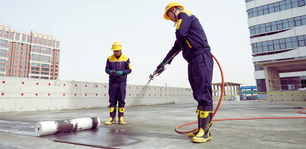
In construction, polyurethane blocks, sandwich panels, assembly foams (OCF) and spray insulation are widely used. Polyurethane adhesives are also increasingly used in mining, the extractive industry and tunnel construction. Flexible PUR foam is used in the furniture industry, e.g. as upholstery foam and in the production of mattresses, viscoelastic foam (memory foam) and in the footwear and textile industries. Medicine also uses polyurethane-based solutions (e.g. artificial organs). Components of operating tables and wheelchairs are made of antistatic integral polyurethane foams.

PUR substances as thermal insulation materials

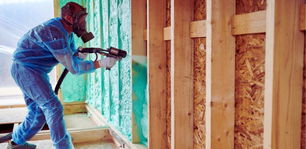
Among the applications mentioned, popular PUR foams deserve special attention. They are particularly known as universal thermal insulation materials that can be used to insulate various types of surfaces. Among the wide range of products available on the market, we distinguish between open-cell and closed-cell polyurethane foams.

This division results from differences in properties that affect the subsequent use of these materials. When deciding on the right choice, we should take into account the surface we are insulating, its condition and the possibility of moisture. We can also be guided by parameters such as adhesion, speed of application and space savings compared to the use of other materials.

We should also remember to choose the right insulation technology. One of the systems that has gained popularity in recent years is spray insulation. It is worth choosing polyurethane foams because they are the most effective heat insulators among other systems available on the market.

The use of polyurethane in industry

There is increasing talk that, due to its unique properties and increasingly widespread use, polyurethane may become the main raw material for many industries. It is already often a good alternative to metals, rubber, ceramics, wood and concrete. We should also not forget about its unique forms, such as the popular foam.

Why is it worth it? Advantages of polyurethane-based substances.

Polyurethane products are distinguished by, among other things, good elasticity (even with high hardness), unique resistance to abrasion and tearing, and resistance to greases, oils and ultraviolet (UV) radiation. In addition, they are relatively easy (while maintaining high performance, of course) to process industrially.

At the same time, finished PUR products are not damaged during intensive use. Hence, they are increasingly used as substitutes for rubber, wood, metal or ceramic products. This has a positive effect on the significant reduction of the total weight of finished products.

Chemical raw materials produced from polyurethanes. What does PCC offer?

To meet customer expectations, the PCC Group offers a range of specialised products for the production of polyurethane systems.

Our extensive and constantly growing portfolio of chemical raw materials includes polyether polyols (diols, triols), sugar polyols, Mannich polyols, sorbitol polyols and polymer polyols. In addition, there are also numerous additives, including cross-linking agents, emulsifiers and flame retardants. The latter are particularly important as they effectively reduce the flammability of polyurethane foams and allow an optimal balance to be achieved between reduced flammability and mechanical properties.

An important part of the product range offered by the PCC Group (a polyurethane manufacturer) are ready-made single- and two-component polyurethane systems used to produce the aforementioned types of foams, adhesives and sealants.

Systems for the production of semi-rigid and rigid polyurethane foams also occupy an important position. They are widely used, for example, as thermal insulation, acoustic insulation (PUR, PIR insulation), systems used in areas related to CASE applications (coatings, adhesives, sealants and elastomers), and even for the production of moulded flexible and integral polyurethane fittings.

LDB polyols – ecological and flexible
Our range of DMC-based polyester polyols

Sustainable polyols
manufacturing technologies from waste materials

Are you looking for polyurethanes (PUR) for industrial applications?

The PCC Group supplies high-quality chemicals for a wide range of industries. From the production of adhesives and sealants, through building insulation, to solutions for the automotive and furniture industries. Our products meet strict quality standards. Contact our team of experts to find the optimal solution.