PCC
RegisterLogin Page

Polyether polyols

Polyols are long-chain compounds with polymeric structure ending in at least two hydroxyl groups. Depending on the number of OH groups in the molecule, they are called diols (2 hydroxyl groups), trioles (3 -OH groups), tetrols, etc. This group of compounds includes polyether polyols, also referred to as polyetherols, and polyester polyols.

Filters
Function
Composition
Segment
Manufacturer
of 7
Rokopol® M6000 (Polyether polyol) Rokopol® M6000 is a polyether polyol produced in the KOH technology. It exists in the form of homogeneous, clear liquid. It contains antioxidants (excluding BHT)....
Composition
Alkoxylated alcohols, Polyether polyols, Triols
CAS No.
9082-00-2
Rokopol® M6000 (Polyether polyol)
Rokopol® RF151 (Polyether polyol) Rokopol® RF151 is a propoxylated Mannich base, reactive multifunctional polyether aromatic polyol designated for polyurethane (PUR) rigid and semi-rigid foam production...
Composition
Alkoxylated alcohols, Polyether polyols, Amine polyols, Aromatic polyols
CAS No.
68610-97-9
Rokopol® RF151 (Polyether polyol)
Rokopol® RF151V Rokopol® RF151V is a propoxylated Mannich base, reactive multifunctional polyether aromatic polyol for polyurethane (PUR) rigid and semi-rigid foam production in...
Composition
Alkoxylated alcohols, Polyether polyols, Amine polyols, Aromatic polyols
Rokopol® RF151V
Rokopol® RF152V (Polyether polyol) Rokopol® RF152V is a propoxylated Mannich base, reactive multifunctional polyether aromatic polyol for polyurethane (PUR) rigid and semi-rigid foam production in...
Composition
Polyether polyols, Alkoxylated alcohols, Aromatic polyols
Rokopol® RF152V  (Polyether polyol)
Rokopol® iCan 2432 Rokopol® iCan 2432 is a specialist, base polyether polyol dedicated to production of one-component high-efficiency foams (OCF). It exists in the form of homogeneous,...
Composition
Polyether polyols, Other
CAS No.
9082-00-2
Rokopol® iCan 2432
Rokopol® iCan 4100 Rokopol® iCan 4100 is a specialized, base polyether polyol dedicated to production of winter, assembly one-component foams (OCF). It exists in the form of homogeneous,...
Composition
Polyether polyols, Triols, Glycerine polyols
CAS No.
9082-00-2
Rokopol® iCan 4100
Rokopol® G1000 (Polyether polyol) Rokopol®G1000 is glycerine-based polyether polyol (polyoxyalkylene triol) which exists in the form of homogeneous, clear liquid. It contains antioxidants (excluding...
Composition
Alkoxylated alcohols, Polyether polyols, Triols
CAS No.
25791-96-2
Rokopol® G1000  (Polyether polyol)
Ekoprodur®3050 W B2 Polyurethane system Ready to use EKOPRODUR 3050 W B2 is a two-compound system for production of polyurethane foam on a periodic line (discontinuous). This system is intended for the production of...
Composition
Polyether polyols, Other
Ekoprodur®3050 W B2 Polyurethane system
Ekoprodur®FC H004 Polyurethane system Ready to use EKOPRODUR FC H004 is a two-component polyurethane casting system used to produce rigid foam to be used on continuous lines. EKOPRODUR FC H004 is designed for the...
Composition
Other, Polyether polyols
Ekoprodur®FC H004 Polyurethane system
Ekoprodur®FC H004-S Polyurethane system Ready to use EKOPRODUR FC H004-S is a two-component polyurethane casting system used to produce rigid foam to be used on continuous lines. EKOPRODUR FC H004-S is designed for...
Composition
Other, Polyether polyols
Ekoprodur®FC H004-S Polyurethane system
Ekoprodur®S0542 Polyurethane system Ready to use EKOPRODUR S0540 D is a polyurethane system that consists of a polyol part (POLY component) and an isocyanate part (ISO component). The polyol mixture is an oily...
Composition
Polyester polyols, Polyether polyols
Ekoprodur®S0542 Polyurethane system
Ekoprodur® WH4005 BLACK Ready to use Ekoprodur® WH4005 BLACK is a two-component polyurethane system designed to produce rigid closed-cell foam. According to DIN EN 13501-1 reaction to fire classification...
Composition
Polyether polyols, Other
Ekoprodur® WH4005 BLACK
Ekoproflex A15-46 Ready to use Ekoproflex A15-46 it is a two-component (A+B) system for producing polyurethane foams of a high resilience (HR). They are mainly used in the automotive industry...
Composition
Polyether polyols, Mixtures, Other
Ekoproflex A15-46
Ekoproflex A15-46 CR5 Ready to use Ekoproflex A15-46 CR5 is a two-component polyurethane system designed for production of non-flammable high-resilience (HR) foams. They are mainly used in the furniture...
Composition
Mixtures, Polyether polyols, Other
Ekoproflex A15-46 CR5
EXOflot F1 (Polypropylene glycol) EXOflot F1 is a product based on low molecular weight polyoxypropylene glycol. It contains approx. 100% of the active substance. At room temperature, it is a clear...
Composition
Polyether polyols, Diols
CAS No.
25322-69-4
EXOflot F1 (Polypropylene glycol)
EUROPIR® STANDARD thermal insulation board for ceilings, foundations and roofs Ready to use EUROPIR® panels are dedicated to insulating floors and ceilings as well as attics and flat roofs, and are available in 3 basic sizes: 1000 x 500 mm; 1000 x 1000...
Composition
Polyether polyols, Other
EUROPIR® STANDARD thermal insulation board for ceilings, foundations and roofs
EUROPIR®DUAL thermal insulation board Ready to use EUROPIR® DUAL – a panel made of rigid PIR foam without cladding, intended for insulating façades finished with clinker tiles. A plate with dimensions of 900 x 578...
Composition
Polyether polyols, Other
EUROPIR®DUAL thermal insulation board
EUROPIR®ETICS thermal insulation board Ready to use EUROPIR® ETICS – a panel made of rigid PIR foam without cladding, intended for insulating the walls of residential buildings and public utility buildings. The panel...
Composition
Polyether polyols, Other
EUROPIR®ETICS thermal insulation board
EUROPIR®SL slope thermal insulation board Ready to use EUROPIR® SL are gradient panels for insulation of terraces and balconies as well as flat roofs. They are available as modular PIR panels without cladding, with a...
Composition
Polyether polyols, Other
EUROPIR®SL slope thermal insulation board
Polymax® ED-P4 (Polyether Polyol) Polymax® ED-P4 is commonly used in the stabilization of electroless copper plating baths. Recommended used levels are 0.25 - 1.0% in the bath.Polymax® ED-P4 belongs...
Composition
Polyether polyols
CAS No.
102-60-3
Polymax® ED-P4 (Polyether Polyol)
21 - 40 of 129 products
Items on page: 20

Polyols are long-chain compounds with polymeric structure ending in at least two hydroxyl groups. Depending on the number of OH groups in the molecule, they are called diols (2 hydroxyl groups), trioles (3 -OH groups), tetrols, etc. This group of compounds includes polyether polyols, also referred to as polyetherols, and polyester polyols.

Polyether polyols – structure and properties

The polyethers are alkoxylated glycols or polyhydric alcohols which are formed by the reaction of these alcohols with ethylene and / or propylene oxide. Among them, depending on the structure, there are, inter alia, sugar, sorbitol, amine and aromatic polyols.

Polyether polyols have high resistance to hydrolysis. They are usually in the form of colourless liquids, insoluble in water. Their disadvantage is the tendency to oxidize at elevated temperatures. The polyether polyols are soluble in most organic solvents.

Polyether polyols react with isocyanates to form polyurethane materials. Depending on the polyol used, plastics with different characteristics are obtained. Some polyols give polyurethanes softness and flexibility as well as resistance to low temperatures. Thanks to these properties, they are used in the production of flexible foams. However, if there is an aromatic ring or cross-linking agent containing amino groups in the polymer main chain, then the polyurethane is characterized by high hardness and heat resistance.

Applications of polyether polyols

In the PCC Group, polyether polyols are manufactured under the trade name Rokopol® and are intended for the production of various types of polyurethane materials. Currently, polyurethanes have become one of the fastest growing fields of polymer technology, due to the possibility of their comprehensive use, as well as the unique properties of finished products. Polyurethanes are widely used in all fields of technology and economy.

Polyethers can be divided into several groups in terms of applications:

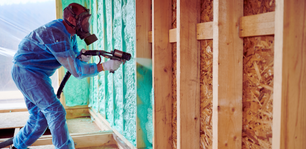
  • polyols for the production of rigid polyurethane foam (used in insulation: in refrigerators, industrial cold stores, refrigeration trucks, in sandwich panels used in construction, showers, cast coatings, one-component sealing foams, acoustic insulation),
  • polyols for the production of elastic block foams (used in household goods, furniture industry, mattresses, protective packaging for the transport of delicate materials, fillers of pillows and quilts),
  • polyols for the production of flexible moulded foams (used in the furniture industry, in floor mats, in the car industry in seats, dashboards and soffits, for the production of high-resilient block foams and floor coatings),
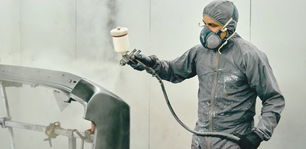
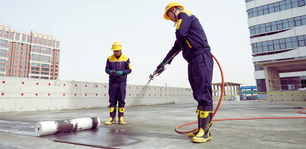
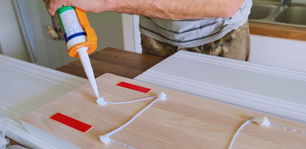
  • polyols for CASE applications (Coatings, Adhesives, Sealants, Elastomers) – used in the mining, automotive, textile, aviation, medical, furniture, construction, printing and food industries, they are also used in the manufacture of office and sports products, as well as in electronics,
  • polyols for non-polyurethane applications – used as lubricants for specialist compressors, liquids for metalworking, hydraulic fluids and transmission oils.