PCC
RegisterLogin Page

Polyester polyols

Polyester polyols are an important group of raw materials used in polyurethane chemistry, determining the structure, reactivity and properties of the final PUR materials. Their structure, based on ester bonds and reactive hydroxyl groups, allows for the precise design of elastomers, foams, coatings and CASE systems with diverse mechanical and chemical parameters.

Filters
Function
Composition
Segment
Manufacturer
of 2
Rokester® 1600 (Polyester polyol) Rokester 1600 is a polyester polyol. It exists in the form of homogeneous, colourless to straw-coloured liquid. It has hydroxyl value within the range of 150-170...
Composition
Polyesters, Polyester polyols
Rokester® 1600  (Polyester polyol)
Rokester® DP 1720.01 (Polyester polyol) Rokester® DP 1720.01 is a polymer from the group of aliphatic-aromatic polyester polyols. It exists in the form of a viscous liquid. It has a hydroxyl value within...
Composition
Polyesters, Polyester polyols
Rokester® DP 1720.01 (Polyester polyol)
Rokester® 1711 (Polyester polyol) Rokester 1711 is a polyester polyol. It comes in the form of a viscous liquid. It has hydroxyl value within the range of 185-195 mgKOH/g and dynamic viscosity within...
Composition
Polyesters, Polyester polyols
Rokester® 1711  (Polyester polyol)
Rokester®2402.01 (Polyester polyol) Rokester® 2402.01 is a polyester polyol. It exists in the form of homogeneous, colourless to pale yellow liquid. It has hydroxyl value within the range of 230-250...
Composition
Polyester polyols
Rokester®2402.01  (Polyester polyol)
Rokester® 2416 (Polyester polyol) Rokester® 2416 is a polyester polyol. It exists in the form of homogeneous, colourless to pale yellow liquid. It has hydroxyl value within the range of 225-245 mgKOH/g,...
Composition
Polyester polyols, Polyesters
Rokester® 2416  (Polyester polyol)
Rokester®2421 (Polyester polyol) Rokester® 2421 is a polyester polyol. It exists in form of a clear, pale yellow to yellow liquid. It has hydroxyl value within the range of 240-255 mgKOH/g and dynamic...
Composition
Polyester polyols, Polyesters
Rokester®2421  (Polyester polyol)
Rokester® 2430 (Polyester polyol) Rokester 2430 is a polyester polyol. It exists in the form of homogeneous, colourless to pale yellow liquid. It has hydroxyl value within the range of 230-250 mgKOH/g...
Composition
Polyester polyols
Rokester® 2430  (Polyester polyol)
Rokester®2600 (Polyester polyol) Rokester® 2600 is a polymer from the group of aromatic polyester polyols. It exists in the form of a viscous liquid, a colour pale straw-to-olive liquid. It has...
Composition
Polyester polyols, Polyesters
Rokester®2600  (Polyester polyol)
Rokester®3016 (Polyester polyol) Rokester® 3016 is a polyester polyol. It exists in the form of homogeneous liquid. It has hydroxyl value within the range of 270-300 mgKOH/g, and dynamic viscosity...
Composition
Polyesters, Polyester polyols
Rokester®3016 (Polyester polyol)
Rokester®3110 (Polyester polyol) Rokester® 3100 is a polyester polyol. It exists in the form of homogeneous liquid. It has hydroxyl value within the range of 300-330 mgKOH/g and dynamic viscosity...
Composition
Polyester polyols, Polyesters
Rokester®3110  (Polyester polyol)
Rokester® 3164.01 (Polyester polyol) Rokester® 3164.01 is a polyester polyol. It comes in the form of a viscous liquid. It has hydroxyl value within the range of 280-315 mgKOH/g, and dynamic viscosity...
Composition
Polyester polyols
Rokester® 3164.01 (Polyester polyol)
Rokester®7525GT (Polyester polyol) Rokester® 7525GT is a polyester polyol. It exists in the form of homogeneous, colourless to pale yellow liquid. It has hydroxyl value within the range of 170-190...
Composition
Polyester polyols, Polyesters
Rokester®7525GT  (Polyester polyol)
Rokester® C1520 (Polyester polyol) Rokester® C1520 is a hydrophobic polyester polyol based on natural oil. It exists as a viscous liquid, yellow to brown in colour. It has hydroxyl value within the...
Composition
Polyesters
Rokester®  C1520 (Polyester polyol)
Rokester® C1610 (Polyester polyol) Rokester® C1610 is a hydrophobic polyester polyol based on natural oil. It exists as a viscous liquid, yellow to brown in colour. It has hydroxyl value within the...
Composition
Polyesters
Rokester® C1610 (Polyester polyol)
Rokester® DP 1500.01 (Polyester polyol) Rokester® DP 1500.01 is a polyester polyol. It exists in the form of viscous liquid. It has hydroxyl value within the range of 145-155 mgKOH/g, and dynamic viscosity...
Composition
Polyester polyols
Rokester® DP 1500.01  (Polyester polyol)
Rokester® DP 1952.14 (Polyester polyol) Rokester DP 1952.14 is a polyester polyol. It exists in the form of homogeneous, colourless to pale yellow liquid. It has hydroxyl value within the range of 195-215...
Composition
Polyester polyols
Rokester® DP 1952.14  (Polyester polyol)
Rokester® DP 1970.01 (Polyester polyol) Rokester® DP 1970.01 is a polymer from the group of aromatic polyester polyols. It exists in the form of a viscous liquid. It has a hydroxyl value within the range...
Composition
Polyester polyols
Rokester® DP 1970.01 (Polyester polyol)
Rokester® DP 3500.01 (Polyester polyol) Rokester® DP 3500.01 is a polyester polyol. It exists in the form of a viscous liquid. It has hydroxyl value within the range of 330-370 mgKOH/g, and dynamic viscosity...
Composition
Polyester polyols
Rokester® DP 3500.01  (Polyester polyol)
Rokester® 3610 (Polyester polyol) Rokester® 3610 is a polymer from the group of aromatic polyester polyols. It exists in the form of a homogeneous liquid, a colour pale yellow to brown. It has a...
Composition
Polyesters, Polyester polyols
Rokester® 3610 (Polyester polyol)
Rokester® DP NV 2402.01 (Polyester polyol) Rokester® DP NV 2402.01 is a polyester polyol. It exists in the form of homogeneous, colourless to pale yellow liquid. It has hydroxyl value within the range of...
Composition
Polyester polyols
Rokester® DP NV 2402.01 (Polyester polyol)
1 - 20 of 32 products
Items on page: 20

Chemical structure

The structure of polyester polyols is characterised by the presence of numerous ester bonds (–COO–) and active hydroxyl groups, which react with isocyanates to form urethane bonds (–NH–CO–O–), which form the basis of the polyurethane structure.

Aliphatic polyester polyols

They are obtained from aliphatic dicarboxylic acids and glycols and are characterised by good flexibility and resistance to hydrolysis. Due to their structure, they exhibit better UV stability and a lower tendency to yellowing, which makes them suitable for applications requiring colour fastness.

Aromatic polyester polyols

Aromatic polyester polyols contain aromatic rings in their structure, most often derived from phthalic or terephthalic acid, which translates into high rigidity and thermal resistance of the final materials. They are widely used where mechanical strength and chemical resistance are key.

Production of polyester polyols

The manufacturing process involves combining diols and acids, e.g. glycols with adipic acid or other di-,tricarboxylic reagents, under elevated temperature conditions, often with the removal of water formed in the reaction, which leads to the elongation of the polyester chain and the obtaining of a polyol with a specified hydroxyl character and functionality.

Key chemical parameters

  • Hydroxyl functionality: numerous –OH groups allow for controlled reaction with isocyanates and determine the degree of cross-linking and mechanical properties of the resulting polyurethanes.
  • Ester structure: –COO– bonds in the polymer chain affect the chemical resistance, hardness and adhesion of polyurethane materials.
  • Molar mass: selected, among other things, by the selection of diols and dicarboxylic acids in order to obtain the desired material and processing parameters.

Role in polyurethane chemistry

A significant difference from polyether polyols is the presence of ester bonds in the backbone. Polyester polyols contain primary hydroxyl groups, which makes them less reactive but also more resistant to hydrolysis. Ester segments can improve adhesion and resistance to solvents and chemicals compared to their polyether counterparts.

Applications of polyester polyols

  1. Polyurethanes
  • Rigid and semi-rigid polyurethane foams,
  • Polyurethane elastomers,
  • Cast and RIM systems.
  1. Coatings, varnishes and paints
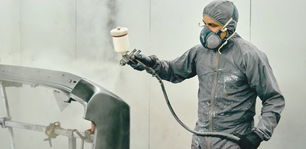
  • Polyurethane and polyester-urethane coatings,
  • Protective and industrial varnishes,
  • Chemical and solvent resistant coatings.
  1. Adhesives and sealants
  • Polyurethane adhesives,
  • Construction and industrial sealants,
  • Adhesives for wood, metal, plastics and composites.
  1. Construction
  • Waterproofing systems,
  • Polyurethane flooring,
  • Construction adhesives and sealants.