PCC
RegisterLogin Page

Anionic surfactants

Anionic surfactants are the largest and most widespread class of surface-active compounds. Their use in many industrial processes results from their high chemical stability and excellent compatibility with other surfactants.

Okładka katalogu
Filters
Function
Composition
Segment
Manufacturer
of 7
EXOfos®PB-253 (Phosphoric Ester) EXOfos PB-253 is anionic surfactant classified among phosphate esters. This ester is based on ethoxylated alcohol with a C12-C15 chain and it is offered in acidic...
Composition
Phosphate esters
CAS No.
68071-35-2
EXOfos®PB-253 (Phosphoric Ester)
EXOfos®PB-264 (Phosphoric ester) EXOfos PB-264 is an anionic surfactant belonging to the group of phosphoric esters. This ester is based on ethoxylated lauryl alcohol, INCI name: Laureth-4 Phosphate....
Composition
Phosphate esters
CAS No.
68511-37-5
EXOfos®PB-264 (Phosphoric ester)
EXOfos®PB-267 (Phosphoric Ester) EXOfos PB-267 is an anionic surfactant that belongs to the group of phosphoric esters. This ester is based on ethoxylated lauryl alcohol. This product is offered...
Composition
Phosphate esters
CAS No.
68511-37-5
EXOfos®PB-267 (Phosphoric Ester)
EXOfos®PB-136B (Phosphoric ester) EXOfos PB-136B is anionic surfactant classified among the phosphorus esters. The ester is based on ethoxylated tridecyl alcohol, and it is offered in acidic form....
Composition
Phosphate esters
CAS No.
9046-01-9
EXOfos®PB-136B (Phosphoric ester)
EXOfos®PD-103LP EXOfos PD-103 LP is a special mixture that consists of phosphorus ether based on ethoxylated branched fatty alcohols and alkoxylated alcohol. The product has the...
Composition
Phosphate esters
EXOfos®PD-103LP
EXOfos®PF-623 (Phosphoric ester) EXOfos PF-623 is an anionic surfactant classified among the phosphorus esters. The ester is based on C8-C10 alcohol, and it is offered in acidic form. It has the...
Composition
Phosphate esters
CAS No.
68130-47-2
EXOfos®PF-623 (Phosphoric ester)
EXOlat MC60 EXOlat MC60 is an aqueous solution of acrylic acid and maleic acid copolymer sodium salt. At room temperature, the product is a clear and viscous liquid with the...
Composition
Copolymers
EXOlat MC60
EXOpearl N (Sodium Laureth Sulfate, Cocamide DEA and Glycol Distearate) EXOpearl N is a mixture of anionic and non-ionic surfactants with the names defined by INCI as: Sodium Laureth Sulfate, Cocamide DEA, Glycol Distearate. The product...
Composition
Mixtures
EXOpearl N (Sodium Laureth Sulfate, Cocamide DEA and Glycol Distearate)
EXOsoft L3/40 (Disodium laureth sulfosuccinate) EXOsoft L3/40 is an anionic surfactant (INCI name: Disodium Laureth Sulfosuccinate.) The product is a light yellow to yellow liquid characterized by about 40% of...
Composition
Sulfosuccinates
CAS No.
39354-45-5
EXOsoft L3/40 (Disodium laureth sulfosuccinate)
EXOfos®PB-139 (Phosphoric ester) EXOfos PB-139 is anionic surfactant classified among phosphate esters. This ester is based on ethoxylated tridecyl alcohol, and it is offered in acidic form. At...
Composition
Phosphate esters
CAS No.
9046-01-9
EXOfos®PB-139 (Phosphoric ester)
EXOsoft PC35 (Potassium Cocoate) EXOsoft PC35 is an anionic surfactant which belongs to the group of soaps with the name defined by INCI as Potassium Cocoate. It is a natural product with 100% renewable...
Composition
Salts, Other
CAS No.
61789-30-8
EXOsoft PC35  (Potassium Cocoate)
EXOsoft PO30 (Potassium Oleate) EXOsoft PO30 is an anionic surfactant, based on a natural ingredient of plant origin, belonging to the group of soaps. Its INCI name is: Potassium Oleate. At the...
Composition
Salts, Other
CAS No.
143-18-0
EXOsoft PO30  (Potassium Oleate)
EXOsoft PO30 MB (Potassium Oleate) EXOsoft PO30 MB is an anionic surfactant, based on a natural ingredient of plant origin, belonging to the group of soaps. Its INCI name is: Potassium Oleate. At...
Composition
Other, Salts
CAS No.
143-18-0
EXOsoft PO30 MB  (Potassium Oleate)
EXOwet OS EXOwet OS is a mixture of chemical compounds which is an effective wettability enhancer for cement grains, used during the manufacture of cement mortars and concrete....
Composition
Mixtures
EXOwet OS
ROKAdis 600 (Phosphoric ester) ROKAdis 600 is an anionic surfactant from the group of phosphoric esters. The commercial product is a clear to slightly cloudy liquid with an active substance content...
Composition
Phosphate esters
CAS No.
73038-25-2
ROKAdis 600  (Phosphoric ester)
ROKAdis 900A/25 (Phosphoric ester) ROKAdis 900A/25 is an anionic surfactant from the group of phosphoric esters. The commercial product is a clear liquid with a colour in the Hazen scale of up to...
Composition
Phosphate esters
CAS No.
69029-43-2
ROKAdis 900A/25  (Phosphoric ester)
ROKAfenol PN7K (Phosphoric ester of nonylphenol) ROKAfenol PN 7K is a specialist anionic additive for industrial applications. This product is a phosphorus ester of oxyethylated nonylphenol of acidic character....
Composition
Alkoxylated nonylphenols
CAS No.
68412-53-3
ROKAfenol PN7K  (Phosphoric ester of nonylphenol)
ROKAfos 385 (Phosphoric ester) ROKAfos 385 is an anionic surfactant that belongs to the group of phosphate esters. The product is made from ethoxylated 2-ethylhexyl alcohol. At a temperature of...
Composition
Phosphate esters
CAS No.
111798-26-6
ROKAfos 385  (Phosphoric ester)
ROKAnol®PL10 ROKAnol® PL10 is an anionic surfactant from the group of phosphoric esters of ethoxylated lauryl alcohol, partially neutralized with diethanolamine. It is produced...
Composition
Alkoxylated alcohols, Phosphate
ROKAnol®PL10
ROKAtend GL (Sodium Lauroyl Glycinate) ROKAtend GL is an anionic surfactant from the group of amino acid surfactants, INCI name: Sodium Lauroyl Glycinate, used mainly in cosmetic applications. This product...
Composition
Amino acid surfactants
ROKAtend GL (Sodium Lauroyl Glycinate)
61 - 80 of 131 products
Items on page: 20

Characteristics and properties of anionic surfactants

Surfactants are among the most versatile chemical compounds in industry. They are amphiphilic molecules with both hydrophilic and hydrophobic parts in their structure. This unique structure gives them exceptional surface properties.

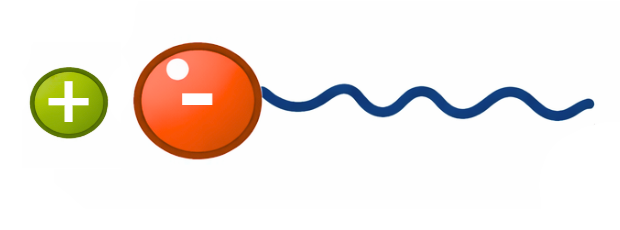
Amphiphiles with a negative charge on their polar group are called anionic surfactants. In solutions and mixtures, they are located at the interface between phases of different polarity. This allows them to effectively reduce surface and interfacial tension.

Key properties of anionic surfactants:

  • Emulsifying ability,
  • Excellent wetting properties,
  • High and stable foaming ability (over a wide pH range),
  • Very good washing and cleaning properties,
  • Hydrotropic effect,
  • Good biodegradability.

Key areas where anionic surfactants are used

Cosmetics and personal care products
Anionic surfactants are the leading cleaning ingredients in cosmetic products. They are found in products such as hair shampoos, shower gels, liquid soaps, hair conditioners, hairsprays, etc. Some compounds in this group are exceptionally mild on the skin, which makes them suitable for use in children’s cosmetics and selected intimate hygiene products.
Detergents and household chemicals

Due to their excellent cleaning properties, anionic surfactants are used as the main active ingredients in soaps and chemical detergents, as well as other cleaning and washing formulations. Most of them are highly resistant to hard water, which makes them ideal for use in dishwashing liquids. In addition, they produce large amounts of foam when mixed. Some anionic surfactants are hypoallergenic, which is why they are often used in detergents designed for sensitive skin. In addition to household chemicals, anionic surfactants are often used in the automotive industry, where they are ingredients in car cleaning and care products.

Production of paints and varnishes

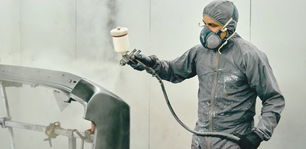
Anionic surfactants are particularly important components in formulations created during the mixing of paints and varnishes. The surface action of these compounds ensures the stability of the pigment in the mixture and its good dispersion. Importantly, they are compatible with most components commonly used in the production of paints and varnishes (inorganic pigments and mineral fillers, dispersing and wetting agents, rheology modifiers and anti-foaming agents).

Agrochemical industry

In agrochemical formulations, anionic surfactants act as dispersing agents and emulsifiers. They stabilise the resulting mixtures and prevent their delamination. They work well with all types of emulsions, concentrates and dispersions used in the agrochemical industry. However, they show the best application performance with suspension concentrates.

Construction

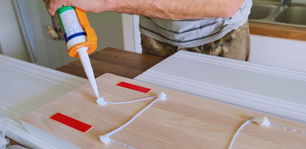
Some anionic surfactants act as air-entraining agents added to construction mixtures. They are used, for example, in the production of drywall, enabling the manufacture of lightweight and durable materials.

Other industrial applications

  • Emulsion polymerisation – they stabilise the dispersion. This allows control over particle size in various systems.
  • Fire extinguishing agents – they are components of synthetic fire extinguishing agents, where they act as basic foaming agents.
  • Textile industry – they play a key role in processes such as wetting, washing and dyeing fabrics.
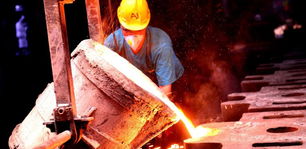
  • Metallurgical industry – they are included in metalworking preparations. Used for cleaning hard surfaces, as well as in metal cutting, grinding and stamping processes.
  • Food and food industry – some anionic surfactants have been approved for use as indirect food additives.