PCC
RegisterLogin Page

Non-ionic surfactants

Non-ionic surfactants are the most diverse group of compounds in terms of chemical structure. They are characterised by the absence of electrical charge on the hydrophilic group. This neutrality gives them unique application properties.

Okładka katalogu
Filters
Function
Composition
Segment
Manufacturer
of 23
Chemal BP-3172 Chemal BP-3172 is reverse block polymer which is most commonly used as an oil emulsifiers, defoamer or low foaming detergent additive in aqueous systems. Recommended...
Composition
EO/PO block copolymers
CAS No.
9003-11-6
Chemal BP-3172
Chemal BP-3252 Chemal BP-3252 is a reverse EO/PO block copolymer that is used as a defoamer and low foaming emulsifiers in aqueous cleaners for the metal industry. This product...
Composition
EO/PO block copolymers
CAS No.
9003-11-6
Chemal BP-3252
Chemal BP-3311 Chemal BP-3311 is a reverse EO/PO block copolymer that is used as a dispersant and defoamer in aqueous cleaners for hard surface cleaning,. This product is also...
Composition
EO/PO block copolymers
CAS No.
9003-11-6
Chemal BP-3311
Chemal CSA-10 Chemal CSA-10 is recommended for evaluation in detergent and emulsifying applications.
Composition
Alkoxylated alcohols
CAS No.
68439-49-6
Chemal CSA-10
Chemal CSA-14 Chemal CSA-14 is recommended for evaluation in detergent and emulsifying applications.
Composition
Alkoxylated alcohols
CAS No.
68439-49-6
Chemal CSA-14
Chemal CSA-25 Chemal CSA-25 is recommended for evaluation in detergent and emulsifying application
Composition
Alkoxylated alcohols
CAS No.
68439-49-6
Chemal CSA-25
Chemal D-25 Chemal D-25 is recommended for evaluation in wetting and detergent applications.
Composition
Alkoxylated alcohols
CAS No.
69227-21-0
Chemal D-25
Chemal DA-4 Chemal DA-4 is primarily recommended for evaluation in defoaming, wetting and emulsifying applications.
Composition
Alkoxylated alcohols
CAS No.
26183-52-8
Chemal DA-4
Chemal DA-4P2 Chemal DA-4P2 is used in rinse aids and mechanical dishwashing detergents, spray metal cleaning, formulations, and other detergent products where low foaming properties...
Composition
Alkoxylated alcohols
CAS No.
37251-67-5
Chemal DA-4P2
Chemal DA-6 Chemal DA-6 is most commonly used to add wetting and detergency characteristics to hard surface cleaner formulas in metal cleaning, I & I and textiles. In addition...
Composition
Alkoxylated alcohols
CAS No.
26183-52-8
Chemal DA-6
Chemal DA-9 Chemal DA-9 is primarily recommended for evaluation in wetting, detergent and emulsifying applications.
Composition
Alkoxylated alcohols
CAS No.
26183-52-8
Chemal DA-9
Chemal EM-5S Chemal EM-5S is an excellent emulsifiers for mineral oil based systems. This product provides good blooming qualities which produce a highly stable oil in water...
Composition
Alkoxylated alcohols
Chemal EM-5S
Chemal G-35/90 Chemal G-35/90 is a high molecular weight glycerol ethoxylate which provides excellent lubrication and emulsification properties to metalworking and textile formulations.
Composition
Alkoxylated alcohols, Glycerides
CAS No.
31694-55-0
Chemal G-35/90
Chemal LA-12 Chemal LA-12 is most commonly used to add wetting and detergency characteristics in cleaner formulations to be used at high temperatures. Chemal LA-12 improves penetration...
Composition
Alkoxylated alcohols
CAS No.
9002-92-0
Chemal LA-12
Chemal LA-23 Chemal LA-23 is primarily recommended for evaluation in emulsifying and dispersant/solubilizing applications.
Composition
Alkoxylated alcohols
CAS No.
9002-92-0
Chemal LA-23
Chemal LA-4 Chemal LA-4 is primarily recommended for evaluation in wetting, detergent, and emulsifying applications.
Composition
Alkoxylated alcohols
CAS No.
68551-12-2
Chemal LA-4
Chemal LA-9 Chemal LA-9 is most commonly used to add wetting and detergency characteristics in cleaner formulations. Chemal LA-9 improves penetration and emulsification properties...
Composition
Alkoxylated alcohols
CAS No.
9002-92-0
Chemal LA-9
Chemal LF-25B Chemal Alkoxylated alcoholss are generally low foam surfactants which provide wetting, detergency, and defoaming properties. They are used in rinse aids and mechanical...
Composition
Alkoxylated alcohols
CAS No.
68603-25-8
Chemal LF-25B
Chemal LF-40B Chemal Alkoxylated alcoholss are generally low foam surfactants which provide wetting, detergency, and defoaming properties. They are used in rinse aids and mechanical...
Composition
Alkoxylated alcohols
CAS No.
68603-25-8
Chemal LF-40B
Chemal LFE-35B Chemal Alkoxylated alcoholss are generally low foam surfactants which provide wetting, detergency, and defoaming properties. They are used in rinse aids and mechanical...
Composition
Alkoxylated alcohols
CAS No.
68987-81-5
Chemal LFE-35B
21 - 40 of 441 products
Items on page: 20

Non-ionic surfactants – characteristics and properties

Non-ionic surfactants are part of a large group of surface-active compounds called surfactants. They are characterised by a unique amphiphilic structure, which determines all their properties and applications. Non-ionic surfactants include a large number of synthetic chemicals of various types and structures. They do not dissociate when dissolved in water and are characterised by the widest range of properties, depending on the hydrophilic-lipophilic balance (HLB) ratio.

non-ionic surfactant chemical structure

Properties of non-ionic surfactants:

  • Good emulsifying properties,
  • Ability to modify rheology,
  • High solubility in water,
  • Mostly biodegradable,
  • Compatible with other surface-active compounds,
  • High chemical stability.

Examples of non-ionic surfactants – chemical classification

Key chemical groups of non-ionic surfactants include:

  • Ethoxylated fatty alcohols

These constitute the largest group of non-ionic compounds with surface-active properties. They are formed by the ethoxylation of fatty alcohols with ethylene oxide. The general formula for these compounds is R-(OCH₂CH₂)_n-OH, where R denotes the alkyl chain of the fatty acid and n denotes the number of ethylene oxide units. The length of the fatty acid alkyl chain and the degree of ethoxylation determine the specific properties and applications of each fatty alcohol ethoxylate. An example of such a surfactant is, for instance, a poly(alkylene oxide) derivative of a synthetic alcohol (ROKAnol NL8P4).

  • Ester derivatives

Ester derivatives are a widely used class of biodegradable, non-ionic surfactants, comprising esters of sugars, sorbitan and glycerol. They are often derived from renewable natural resources, such as vegetable oils. They act as versatile detergents, mainly in cosmetic applications. The PCC Group’s portfolio includes, among others,  ROKwinol 60, which is an ethoxylated sorbitan monostearate.

  • Amin derivatives

Some chemical compounds, being amine derivatives, remain electrically neutral over a wide pH range. These include, amongst others, fatty amines and alkanolamides. As a result, they can be used in the synthesis of non-ionic surfactants, most commonly in a reaction with ethylene oxide. They are characterised by good wetting properties. They can be used as stabilisers and emulsifiers. An example of such a substance is ethoxylated C16-18 alkyl amine (ROKAmin SR15).

  • Block copolymers

Block copolymers contain long segments in their backbone chain composed of monomers of a given type. When ethylene oxide and propylene oxide polymerise together, so-called EO/PO block copolymers are formed. They exhibit very good surface, emulsifying and solubilising properties. In the case of copolymers, the ratio of EO to PO in the molecule is important, as it determines its behaviour in products. The PCC Group’s range also includes non-ionic surfactants that are block copolymers, e.g. EXOmer L64.

How to select a non-ionic surfactant?

The selection of a non-ionic surfactant is based on chemical knowledge and the requirements of the specific product. The most important criteria for selection are:

HLB value

The hydrophilic-lipophilic balance (HLB) value is a key parameter for measuring the relative hydrophilic and lipophilic strengths of non-ionic surfactants. Those with an HLB value of up to 3 are characterised by anti-foaming properties. An HLB value of 7 to 9 indicates very good wetting properties, whilst values close to 18 are characteristic of detergents and solubisers.

Cloud point

This refers to the temperature at which a solution of a non-ionic surfactant changes from clear to turbid when heated. This point is closely related to the length of the polyoxyethylene (EO) chain in the surfactant molecule. Longer EO chains result in higher cloud points, as they increase the hydrophilicity of the surfactant molecule.

Freezing point

This refers to the temperature at which a substance changes from a liquid to a solid state. In the case of non-ionic surfactants, the freezing point determines their fluidity and ease of use at low temperatures. Generally, non-ionic surfactants with a lower ethylene oxide (EO) number or a branched alcohol structure exhibit lower pour points, typically below -10°C. This allows them to maintain good fluidity at low temperatures, facilitating cold processing.

Non-ionic surfactants compared to other surface-active compounds

The range of action of surfactants is very broad. They differ in their chemical structure, and consequently in their properties and areas of application.

Non-ionic surfactants are surface-active agents that do not form ions in aqueous solutions. In this respect, they differ from cationic, anionic and amphoteric surfactants, which carry positive or negative charges. They exhibit high stability and resistance to hard water – they do not foam excessively. They are mainly intended for mild-action products and demonstrate good compatibility with other surfactants in formulations.
Anionic detergents, on the other hand, are relatively cheap to produce and biodegradable. They are characterised by strong foaming properties and good cleaning performance. At the same time, they can be irritating, which is why they are avoided, for example, in children’s cosmetics.

Cationic surfactants are of lesser importance in industry, but they remain valuable ingredients in, for example, skincare products and laundry detergents. Their main advantages are their disinfectant properties and strong affinity for surfaces. However, they are gentler on the skin than their anionic counterparts.

Amphoteric surfactants, due to their high production costs, are mainly used in specialist products. They are very gentle on the skin, and in formulations with other surfactants, they can mitigate their irritating effects.

Safety standards in surfactant technology

The marketing of chemical substances, such as non-ionic surfactants, or their use in industrial and laboratory processes requires strict compliance with all laws and regulations.

The REACH and CLP Regulations form the cornerstone of chemical safety. They govern the registration, distribution and labelling of manufactured non-ionic surfactants. They strictly define the information that must be included in the Safety Data Sheet – including details on toxicity, degradation and exposure risks. Furthermore, the CLP Regulation imposes an obligation to use pictograms. This is important because the use of certain non-ionic surfactants is restricted due to their effects, such as endocrine disruption.

The use of non-ionic surfactants in cosmetics or food also requires ensuring a high level of product purity – they must not contain residues of, for example, ethylene oxide. Each ingredient must have a name compliant with the international INCI system, and surfactants used as food emulsifiers must be included on the list of authorised additives.

Key areas of application for non-ionic surfactants

Cosmetic products

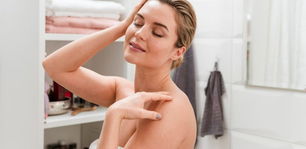
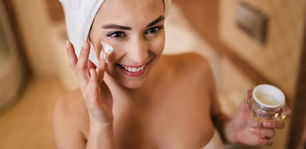
Non-ionic surfactants are widely used in the cosmetics industry for the production of ready-made formulations. They have good cleaning properties and are gentle on the skin. They are important ingredients in the production of skin care and cleansing cosmetics. They most often act as emulsifiers. They help to mix substances that are insoluble in water, such as oils and fats. This allows for a smooth, homogeneous consistency of the final product. Selected non-ionic surfactants act as conditioning agents and emollients in cleansing and skincare cosmetics.

Perfumes

Solubilisers, such as non-ionic surfactants, can be ingredients in perfumes. Solubilisation allows substances that are insoluble or difficult to dissolve in water, such as fragrances, plant extracts, vitamins and other oily substances, to be introduced into aqueous and water-alcohol solutions. The solubilising properties of non-ionic surfactants are used not only in perfumes, but also in some cosmetics.

Mining industry

This group of surface compounds can be included in the composition of flame-retardant HFA hydraulic fluids. They are also used in machining fluids and serve as lubricity improvers.

Plant protection products

The excellent emulsifying properties of non-ionic surfactants determine their use in pesticide formulations. They support their formation and maintain the stability of the finished product. The addition of non-ionic surfactants to plant protection products improves their application properties – adhesion and wettability of plant surfaces.

Tanning industry

Some non-ionic surfactants are additives in tanning processes. They provide a softening effect and also improve the processing values and strength of the raw material. They are ideal as washing agents. In addition, they have a high ability to penetrate various fibres.

Paint production

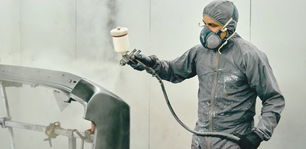
Non-ionic surfactants are used in the paint and varnish industry due to their very good emulsifying properties. They support the formation of stable emulsions and aid in the dispersion of dyes. Some non-ionic surfactants have the ability to extend the open time of paints. They also affect the behaviour of the paint during application, facilitating its application and improving its spreadability.

Chemical industry

Raw materials in the form of non-ionic surfactants can be used as intermediates for chemical synthesis. Due to the alkaline nature of selected compounds, they are used to neutralise acidic substances and as a pH regulator. This property is used, among other things, in the production of metalworking fluids, detergents, washing agents, cleaning agents and automotive chemicals.