PCC
RegisterLogin Page

Polyurethanes

In the plastics market, polyurethanes (PUR) lead the way as the materials that make life easier, safer and more convenient.

Filters
Function
Composition
Segment
Manufacturer
of 12
Active Play AS H 8009 (Polyurethane adhesive) Ready to use Active Play AS H 8009 is a polyether prepolymer based on an MDI isocyanate with low functionality (2.0-2.2). The product is a one-component polyurethane adhesive...
Composition
Prepolymers, 1K Adhesives
Active Play AS H 8009  (Polyurethane adhesive)
Active Play AS H 8009-LR (Polyurethane adhesive) Ready to use Active Play AS H 8009-LR is a polyether prepolymer based on an MDI isocyanate with low functionality (2.0-2.2). The product is a one-component polyurethane adhesive...
Composition
Prepolymers, 1K Adhesives
Active Play AS H 8009-LR (Polyurethane adhesive)
Active Play AS H 8014 (Polyurethane adhesive) Ready to use Active Play AS H 8014 is a polyether prepolymer based on an MDI isocyanate with low functionality (2.0-2.2). The product is a one-component polyurethane adhesive...
Composition
Prepolymers, 1K Adhesives
Active Play AS H 8014  (Polyurethane adhesive)
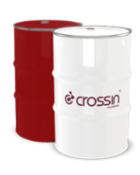
Crossin® 450 Open Cell Spray Foam - Spray polyurethane foam Ready to use The Crossin 450 Open Cell Spray Foam is the polyol part of a polyurethane system, intended for use with pMDI. It is used to obtain open cell semi-rigid polyurethane...
Composition
Mixtures
Crossin® 450 Open Cell Spray Foam - Spray polyurethane foam
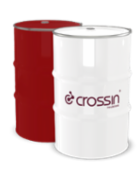
Crossin® Hard 36 Ready to use The Crossin® Hard 36 system is used for the production of rigid (hard) foam, which is also a spray thermal insulation applied directly to the insulated roof surface,...
Composition
Mixtures
Crossin<sup>®</sup> Hard 36
Crossin® Hard 40 - Spray thermal insulation Ready to use The Crossin® Hard 40 system is used for the production of rigid (hard) foam, which at the same time is a spray thermal insulation applied directly to the insulated...
Composition
Mixtures
Crossin<sup>®</sup> Hard 40 - Spray thermal insulation
Crossin® Hard 50 Ready to use The Crossin® Hard 50 system is used for the production of rigid (hard) foam, which at the same time is a spray thermal insulation applied directly to the insulated...
Composition
Mixtures
Crossin® Hard 50
Crossin® Attic Soft - Spray thermal insulation Ready to use The Crossin® Attic Soft system is used for the production of semi-rigid foam, which at the same time is a sprayed thermal and acoustic insulation applied directly...
Composition
Mixtures
Crossin® Attic Soft - Spray thermal insulation
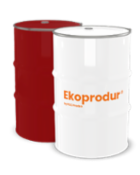
Ekoprodur® 1331B2 Polyurethane system Ready to use EKOPRODUR 1331B2 is a two-component polyurethane adhesive (PUR) consisting of a polyol mixture (component A) and an isocyanate part (component B). Each component...
Composition
Mixtures
Ekoprodur® 1331B2 Polyurethane system
Ekoprodur®S0310/E Polyurethane system Ready to use EKOPRODUR S0310 / E is a polyurethane system consisting of a polyol part (component A) and an isocyanate part (component B). Each of the ingredients is a liquid...
Composition
Mixtures
Ekoprodur®S0310/E Polyurethane system
Ekoprodur®S0330 System poliuretanowy Ready to use EKOPRODUR S0330 is a polyurethane system consisting of: polyol part (component POLY) and isocyanate part (component IZO). Each of the ingredients is a liquid and...
Composition
Mixtures
Ekoprodur®S0330 System poliuretanowy
Ekoprodur®S0331FL System poliuretanowy Ready to use EKOPRODUR S0331FL is a polyurethane system which consists of a polyol (POLY component) and an isocyanate (ISO component). Each of the components is a liquid and...
Composition
Mixtures
Ekoprodur®S0331FL System poliuretanowy
Ekoprodur®S0541 Polyurethane system Ready to use EKOPRODUR S0541 is a polyurethane system consisting of: polyol part (component A) and isocyanate part (component B). Each of the ingredients is a liquid and has...
Composition
Mixtures
Ekoprodur®S0541 Polyurethane system
Ekoprodur®S10-HP Polyurethane system Ready to use EKOPRODUR S10-HP is a polyurethane system consisting of: polyol part (component A) and isocyanate part (component B). Each of the ingredients is a liquid and has...
Composition
Mixtures
Ekoprodur®S10-HP Polyurethane system
Ekoprodur® S11E-MAX Polyurethane system Ready to use EKOPRODUR S11E-MAX is a high performance polyurethane system consisting of a polyol part (component A) and an isocyanate part (component B). Each of the ingredients...
Composition
Mixtures
Ekoprodur® S11E-MAX Polyurethane system
Roflam 6 Roflam 6 is a reactive halogen-free flame retardant intended for plastics. The product inhibits the solid-phase combustion process, creating on the surface of the...
Composition
Phosphonate
CAS No.
2781-11-5
Roflam 6
Roflam B7 Roflam B7 is a halogen-free flame retardant in the form of a colourless liquid with low dynamic viscosity. Due to its excellent compatibility with many liquid raw...
Composition
Phosphate
Roflam B7
Roflam F5 Roflam F5 is a phosphor flame retardant that provides a high fire resistance class of plastics. During the combustion process, the product works in a solid phase,...
Composition
Phosphate
CAS No.
68937-41-7
Roflam F5
Roflam P Roflam P (TCPP) is a widely used flame retardant in the plastics industry, especially in polyurethane processing. It is one of the most effective flame retardants...
Composition
Phosphate
CAS No.
1244733-77-4
Roflam P
Roflam B7V Roflam B7V is a halogen-free phosphor flame retardant in the form of a colourless liquid. Due to its low dynamic viscosity and very good compatibility with many...
Composition
Phosphate
Roflam B7V
1 - 20 of 225 products
Items on page: 20

They are mainly in the form of polyurethane foams obtained through the reaction of multifunctional isocyanates with polyols, including polyether polyols and many excipients. Because of this diversity, the possibilities of their synthesis are virtually endless.

What is polyurethane?

Polyurethanes, described with the abbreviation PUR or PU, are polymers that are formed through the addition polymerisation reaction of polyols with multifunctional isocyanates. This process is also accompanied by compounds and reaction catalysts, for example in the form of iron, zinc or bismuth salts, but also additives in the form of stabilisers or raising agents. Their structure is distinguished by the presence of the urethane group [-O-CO-NH-] in the main chain.

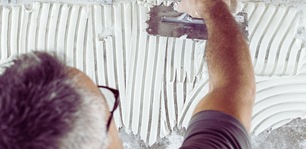
These compounds were obtained in 1937 as a result of the scientific work of Bayer, a German chemist, with his research team, and they have gained enormous popularity in industry, particularly over the last twenty years. Polyurethanes belong to the group of plastics but they are distinguished by characteristic features that allow for a wide range of applications. Compared to polyamides, they are more fusible, which results in easier processing. However, it also has a lower mechanical resistance. These properties mean that it is often used to produce spandex fibres (e.g. Lycra, elastane). Depending on the choice of basic raw materials and additives in the manufacture of polyurethane, it can take the form of a foam in various states or a solid. This also affects the final form of the products in which we can find polyurethanes, e.g. as polyurethane foams, resins, fibres, adhesives, various coatings or urethane elastomers.
The manufacturing process of polyurethane results in a material with a relatively low weight, which makes it easier to process, and the subsequent processing and adjustment to the end use does not require large expenditures. With the right additives, polyurethane can also be characterised by a high level of hardness and resistance to damage.

Polyurethane in everyday life – applications

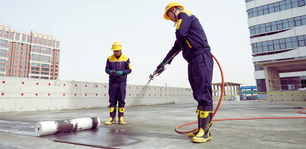
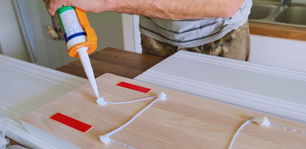
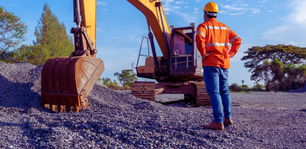
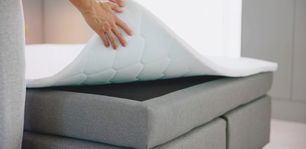
Due to the wide array of their properties, polyurethanes have become known as a unique group of polymers, which are used in such areas of life and economy, as transport, construction, furniture industry and mining. Today, few can realize that polyurethanes are widely used in everyday life, among others, in homes, cars, sports equipment or even clothing. In addition to polyurethane coatings, moulded upholstery profiles, rigid bumper foams and interior components, such as dashboards or headlining, are used in the automotive industry. Polyurethanes are present in seats in airports, airplanes, trains, buses or bicycles. In addition, products, such as different coloured bath or dishwashing sponges, window and door sealing foams, are also made of polyurethane. In construction, polyurethane blocks, sandwich panels, one-component foams or spray insulation are widespread. Polyurethane adhesives that are used in mining, quarrying industry and tunnel construction are more and more widely used. Elastic polyurethane foam is used in the furniture industry as upholstery foam and in the production of mattresses, viscoelastic pillows (viscoelastic foam, memory foam) and in the shoe industry and textile. Healthcare also benefits from polyurethane-based solutions (e.g. artificial organs). Components of operating tables and wheelchairs are made of antistatic polyurethane integral foams.

LDB polyols – ecological and flexible
Our range of DMC-based polyester polyols

Sustainable polyols
manufacturing technologies from waste materials

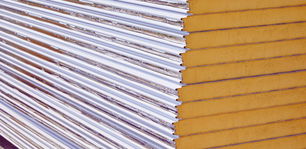
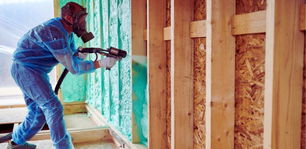
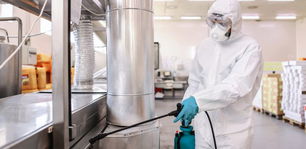
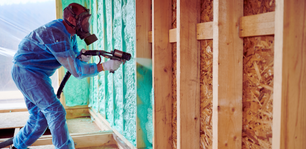
Of these applications, popular PUR foams deserve special attention. They are known in particular as versatile thermal insulation materials which can be used to insulate all sorts of surfaces. Among the wide range of products available on the market, we can distinguish between open-cell and closed-cell polyurethane foams. This division is due to differences in properties that affect the subsequent use of these materials. When choosing the right one, we should take into account the surface to be insulated, its condition and the possibility of dampness. We can also be guided by the parameters of adhesion, speed of application and space saving compared to the use of other materials. We should also remember to choose the right insulation technology. One system that has gained in popularity in recent years is sprayable membrane, among others. It is worth opting for polyurethane foams as they are the most effective heat insulator among other systems available on the market.

It is becoming increasingly clear that polyurethanes have the potential to become a key raw material for many industries due to their unique properties and growing use. They are already often a good alternative to metals, rubber, ceramics, wood or concrete. Its unique forms such as the popularly used foam should also not be overlooked.

The advantages of polyurethanes

Polyurethane products are characterized, among others, by good elasticity (even at high hardness); unique abrasion resistance and tear strength, as well as resistance to grease, oil or ultraviolet (UV) radiation. An additional advantage of polyurethane materials is their relatively easy industrial processing, while maintaining high productivity. At the same time, finished PUR products do not get destroyed in heavy use. Thus they are increasingly used as a substitute of rubber, wood, metal or ceramics. This is advantageous in a significant reduction of the total weight of the finished products.

Main products

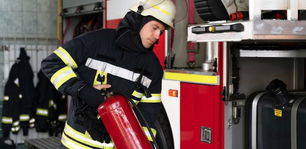
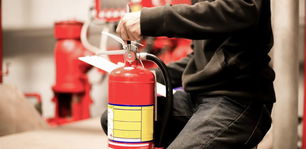
To meet customer expectations, the PCC Group offers a range of specialized products for the manufacture of polyurethane systems. The rich portfolio includes polyether polyols (diols, triols), sugar polyols, Mannich polyols, sorbitol polyols, polymer polyols, as well as numerous additives, such as crosslinkers, emulsifiers, and flame retardants. The latter effectively reduce the flammability of polyurethane foams and make it possible to get the optimal balance between a flammability reduction and mechanical properties. An important part of the PCC product range are finished one- and two-component polyurethane systems for the manufacture of the aforementioned types of foams, adhesives or sealants. Also, systems designed for the production of semi-rigid and rigid polyurethane foams are an important part of our product range. They are widely used as thermal insulation, acoustic insulation (PUR, PIR insulation), systems used in areas related to the CASE (coatings, adhesives, sealants and elastomers) applications and systems for the production of moulded elastic and integral moulded polyurethane profiles.