PCC
RegisterLogin Page

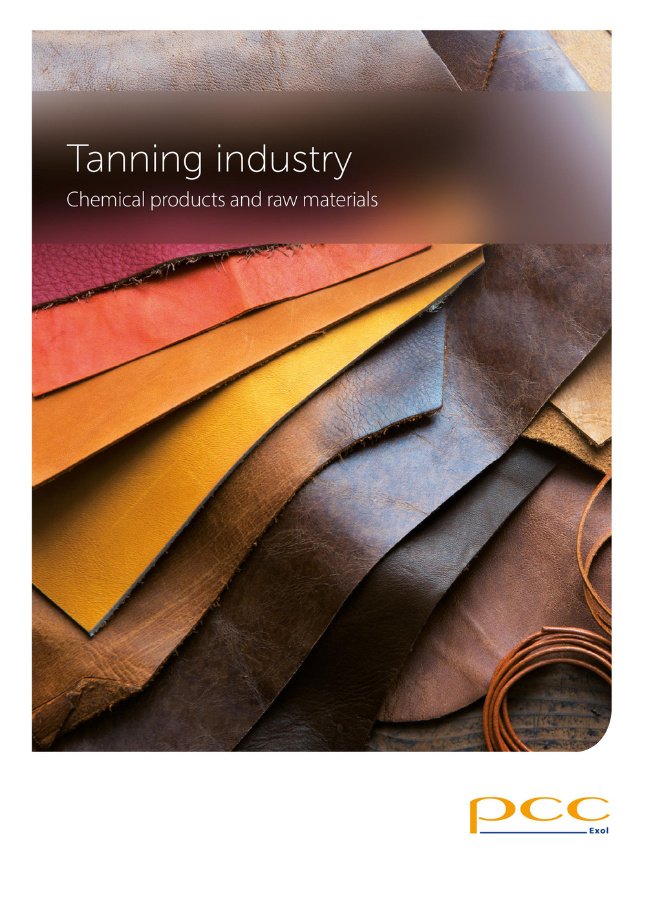
Tanning industry

The PCC Group offers a wide portfolio of products intended for the tanning industry. It includes specialty products as well as simple chemicals used at different stages of leather processing.
Okładka katalogu
Filters
Function
Composition
Segment
Manufacturer
of 2
EXOfos®PB-043K (Phosphoric ester) EXOfos PB-043K is an anionic surfactant that belongs to the group of phosphoric esters. This ester is based on ethoxylated butyl alcohol. It is offered in a neutralized...
Composition
Phosphate esters
EXOfos®PB-043K  (Phosphoric ester)
EXOstab NP6 (C9-16 alcohol ethoxylated) EXOstab NP6 is a professional blend of non-ionic surfactants which is the most effective and environmentally friendly alternative to ethoxylated nonylphenols. The...
Composition
Alkoxylated alcohols, Ethoxylated alcohols
CAS No.
97043-91-9
EXOstab NP6  (C9-16 alcohol ethoxylated)
ROKAcet R70 (PEG-70 Castor oil) ROKAcet R70 is a non-ionic surfactant belonging to the group of polyoxyethylene fatty acid esters of castor oil called INCI: PEG-70 Castor Oil.. At room temperature...
Composition
Alkoxylated fatty acids
CAS No.
61791-12-6
ROKAcet R70  (PEG-70 Castor oil)
ROKAcet DO400 ROKAcet DO400 is a non-ionic surfactant belonging to the group of polyoxyethylene fatty acid esters. This surfactant is available in the form of a liquid with a...
Composition
Polyethylene glycols
CAS No.
9005-07-6
ROKAcet DO400
ROKAcet R36 (PEG-36 Castor Oil) ROKAcet R36 is a non-ionic surfactant with the INCI name:PEG-36 Castor Oil. It belongs to the group called polyoxyethylene castor oil fatty acid esters. This surfactant...
Composition
Alkoxylated fatty acids
CAS No.
61791-12-6
ROKAcet R36  (PEG-36 Castor Oil)
ROKAfenol N10 (Nonylphenol ethoxylated) ROKAfenol N10 is a non-ionic surfactant which belongs to the group of ethoxylated nonylphenols (INCI name: Nonoxynol-10). It is used as a detergent, washing and...
Composition
Alkoxylated nonylphenols
CAS No.
127087-87-0
ROKAfenol N10  (Nonylphenol ethoxylated)
ROKAfenol N12 (Nonylphenol ethoxylated) ROKAfenol N12 is a non-ionic surfactant which belongs to the group of ethoxylated nonylphenols (INCI name: Nonoxynol-12). It is used as an ingredient in washing...
Composition
Alkoxylated nonylphenols
CAS No.
127087-87-0
ROKAfenol N12  (Nonylphenol ethoxylated)
ROKAfenol N14 (Nonylphenol ethoxylated) ROKAfenol N14 is a non-ionic surfactant which belongs to the group of ethoxylated nonylphenols (INCI name: Nonoxynol-14). It is used as an ingredient of washing...
Composition
Alkoxylated nonylphenols
CAS No.
127087-87-0
ROKAfenol N14  (Nonylphenol ethoxylated)
ROKAfenol N22 (Nonylphenol ethoxylated) ROKAfenol N22 is a non-ionic surfactant belonging to the group of ethoxylated nonylphenols (INCI name: Nonoxynol-22). It is used as a component of washing and cleaning...
Composition
Alkoxylated nonylphenols
CAS No.
127087-87-0
ROKAfenol N22  (Nonylphenol ethoxylated)
ROKAfenol N22/30 (Nonylphenol ethoxylated) ROKAfenol N22/30 is a non-ionic surfactant which belongs to the group of ethoxylated nonylphenols (INCI name: Nonoxynol-22). It is used as a component of washing...
Composition
Alkoxylated nonylphenols
CAS No.
127087-87-0
ROKAfenol N22/30   (Nonylphenol ethoxylated)
ROKAfenol N3 (Nonylphenol ethoxylated) ROKAfenol N3 is a non-ionic surfactant belonging to the ethoxylated nonylphenols (INCI name: Nonoxynol-3). It is an oily liquid with a colour of up to 70 HU and...
Composition
Alkoxylated nonylphenols
CAS No.
127087-87-0
ROKAfenol N3  (Nonylphenol ethoxylated)
ROKAfenol N4 (Nonylphenol ethoxylated) ROKAfenol N4 is a non-ionic surfactant that belongs to ethoxylated nonylphenols, INCI name: Nonoxynol-4. It is an coloured oily liquid(70 max., Pt/Co scale) Its...
Composition
Alkoxylated nonylphenols
CAS No.
127087-87-0
ROKAfenol N4  (Nonylphenol ethoxylated)
ROKAfenol N5 (Nonylphenol ethoxylated) ROKAfenol N5 is a non-ionic surfactant from the group of ethoxylated nonylphenols (INCI name: Nonoxynol-5). It is an oily liquid with a colour of up to 70 HU. The...
Composition
Alkoxylated nonylphenols
CAS No.
127087-87-0
ROKAfenol N5  (Nonylphenol ethoxylated)
ROKAfenol N6 (Nonylphenol ethoxylated) ROKAfenol N6 is a non-ionic surfactant belonging to the group of ethoxylated nonylphenols (INCI name: Nonoxynol-6). It is an oily liquid with a colour of up to 70...
Composition
Alkoxylated nonylphenols
CAS No.
127087-87-0
ROKAfenol N6  (Nonylphenol ethoxylated)
ROKAfenol N6P4 (Ethoxylated, propoxylated nonylphenol) ROKAfenol N6P4 belongs to the group of non-ionic surfactants. It is an nonylphenyl ether copolymer of ethylene oxide and propylene oxide. The commercial product...
Composition
Alkoxylated nonylphenols
CAS No.
37251-69-7
ROKAfenol N6P4  (Ethoxylated, propoxylated nonylphenol)
ROKAfenol N6P6 (Ethoxylated, propoxylated nonylphenol) ROKAfenol N6P6 is a non-ionic surfactant belonging to the group of alkoxylated nonylphenols. It is in the form of an oily liquid which solidifies at a temperature...
Composition
Alkoxylated nonylphenols
CAS No.
37251-69-7
ROKAfenol N6P6  (Ethoxylated, propoxylated nonylphenol)
ROKAfenol N7 (Nonylphenol ethoxylated) ROKAfenol N7 is a non-ionic surfactant belonging to the group of ethoxylated nonylphenols (INCI name: Nonoxynol-7). It is an oily liquid with a maximum colour of...
Composition
Alkoxylated nonylphenols
CAS No.
127087-87-0
ROKAfenol N7   (Nonylphenol ethoxylated)
ROKAfenol N8 (Nonylphenol ethoxylated) ROKAfenol N8 is a non-ionic surfactant from the group of ethoxylated nonylphenols (INCI name: Nonoxynol-8). It is in the form of a clear or opalescent oily liquid...
Composition
Alkoxylated nonylphenols
CAS No.
127087-87-0
ROKAfenol N8  (Nonylphenol ethoxylated)
ROKAfenol N8P14 (Nonylphenol ether of the EO/PO copolymer) ROKAfenol N8P14 is a non-ionic surfactant belonging to the group of alkoxylated nonylphenols. It has a form of opalescent, cloudy or clear, oily liquid of straw...
Composition
Alkoxylated nonylphenols
CAS No.
37251-69-7
ROKAfenol N8P14   (Nonylphenol ether of the EO/PO copolymer)
ROKAfenol N8P7 (Nonylphenol ether of the EO/PO copolymer) ROKAfenol N8P7 is a non-ionic surfactant (alkoxylated nonylphenols). It is an opalescent, turbid or clear oily liquid with a straw or light yellow colour. The commercial...
Composition
Alkoxylated nonylphenols
CAS No.
37251-69-7
ROKAfenol N8P7  (Nonylphenol ether of the EO/PO copolymer)
1 - 20 of 39 products
Items on page: 20

Tanning belongs to the group of the most environmentally unfriendly sectors of industry. The main reason is using a substantial number of chemicals at different skin converting stages including biocides, surfactants, organic solvents and inorganic substances such as toxic chromium (III) salts. Their application is, however, necessary for the correct preparation of the material for manufacturing of leather goods.

Tanning consists in converting a raw skin or hide into leather in order to prevent their decomposition and prepare for the manufacture of various leather goods. The process is time-consuming and involves a number of complex chemical reactions and mechanical processes. Its name comes from one of the stages where tanning agents are used, both natural and synthetic. The mechanism of action consists in their irreversible chemical binding with proteins present in the skin, i.e. collagen. The procedure prevents the occurrence of possible ageing processes in the structure of collagen fibres causing decomposition of the material. Tanning is the most important stage of the raw skin treatment and gives it softness, flexibility, stability and required quality.

In addition to the considerable use of chemicals, a large amount of liquid and solid waste is produced and therefore tanning is considered as “dirty technology”. Despite the obvious risks linked with the tanning processes, this sector plays an important role in society. The specific nature of this market is based on the use of skin and hides, which are by-products of meat production, and their processing into a valuable raw material for manufacturing of a wide range of goods highly appreciated by consumers.

Initial skin treatment

The product offer includes basic chemicals commonly used in the tanning industry such as hydrochloric acid, sodium hypochlorite and sodium hydroxide. They are applied mainly in the initial skin processing stages, i.e. the so-called wet processing. Acid and alkaline solutions are used in the soaking, liming and pickling phases to prepare the material for the proper tanning step.

Tanning

A lot of inorganic compounds such as aluminium and chromium salts have tanning properties. Also natural substances of plant origin (tannins) or animal origin (liver oil) are widely used. An alternative for these components are syntans, i.e. synthetic tanning agents that may play an auxiliary role in plant and mineral tanning processes or replace the natural tannins entirely. The offer of PCC Group contains tanning agents such as Rotanina M70, which is an effective substitute for synthetic preparations with bleaching properties. Rotanina W is a syntan used for tanning of light and medium leather. If used independently, it softens the processed material and gives it light pink colouration.

Retanning and filling

A recommended product line for retanning and filling processes are acrylic dispersions, i.e. Rokryl GA series. These products work perfectly with raw material of considerable structural differences and make the leather soft and flexible giving it a full, pleasant touch. Another item in the offer is Aldehyd AG intended mainly for fur in both separate and combined tanning processes. Rofill GZA, which works well with mixtures of synthetic tanning agents and plant agents, increases the leather’s resistance to light and improves the appearance of the surface.

Leather finishing

The finishing processes are aimed at improving the properties of the leather by increasing the resistance and making it more noble. At this stage of tanning, it is recommended to use Rokryl SW1, intended for finishing the leather with an improved surface. If used independently, the product offers a soft, tacky surface with good adhesive properties and perfect resistance to numerous flexing. Another offered item is Rokryl SW25M, which has the ability to create a film ensuring higher water resistance.

The dyeing stage is particularly important in leather treatment and it partly takes place under the influence of tanning agents. Additional dyeing processes are performed with use of  balancing and dispersing compounds. The use of Dyspergator NNOC E is recommended for this stage. During the colouring processes, it acts as a disperging and equalising agent. Due to its properties, it may be used in combination with different types of dyes maintaining them in a homogeneous dispersion, thus achieving a uniform leather colour.

Thickening

One of the final leather processing stages is thickening. It ensures improved homogeneity of finishing treatment and enhances the quality of the finished leather. The process is conducted mainly with respect to full grain leather. At this stage carefully selected resins are applied, which reduce surface tension and allow obtaining a desirable surface wetting and penetration of the thickening solution into the leather. Rokryl SU25 has been designed for this application and is recommended for combined application with Rokpen SU25, which regulates the Rokryl penetration depth.

Cleaning and fat removal

The offer of PCC Group also includes mixtures applied in the cleaning and degreasing processes. Roksol A87 is a preparation used in tanneries and furrieries to soak the leather in water baths at any stage of tanning. The product is also used as a component of cleaning or emulsifying preparations from household chemicals. Another item in the offer is Roksol N87, i.e. a low-foaming, non-ionic surfactant composition recommended for soaking and degreasing. The product has good wetting performance and effectively reduces surface tension thus accelerating penetration of tanning agents into the leather.