PCC
RegisterLogin Page

Flame retardants

Flame retardants are a group of chemical compounds added to polymer matrices, including polyurethane systems, to change their behaviour when exposed to fire. They work through physical and chemical mechanisms that slow down the combustion process, reduce the rate of flame spread, and promote the formation of protective char layers or inhibit the emission of flammable gases.

Filters
Function
Composition
Segment
Manufacturer
Roflam 6 Roflam 6 is a reactive halogen-free flame retardant intended for plastics. The product inhibits the solid-phase combustion process, creating on the surface of the...
Composition
Phosphonate
CAS No.
2781-11-5
Roflam 6
Roflam B7 Roflam B7 is a halogen-free flame retardant in the form of a colourless liquid with low dynamic viscosity. Due to its excellent compatibility with many liquid raw...
Composition
Phosphate
Roflam B7
Roflam F5 Roflam F5 is a phosphor flame retardant that provides a high fire resistance class of plastics. During the combustion process, the product works in a solid phase,...
Composition
Phosphate
CAS No.
68937-41-7
Roflam F5
Roflam P Roflam P (TCPP) is a widely used flame retardant in the plastics industry, especially in polyurethane processing. It is one of the most effective flame retardants...
Composition
Phosphate
CAS No.
1244733-77-4
Roflam P
Roflam B7V Roflam B7V is a halogen-free phosphor flame retardant in the form of a colourless liquid. Due to its low dynamic viscosity and very good compatibility with many...
Composition
Phosphate
Roflam B7V
Roflam B7L Roflam B7L is a halogen-free flame retardant. It is a product completely safe for the environment and human health. Among other products belonging to the group of...
Composition
Phosphate
Roflam B7L
Roflam F6 Roflam F6 is a halogen-free solution for efficient flame retardation in plastics. The additive provides a high class of fire resistance without adversely affecting...
Composition
Phosphate
CAS No.
68937-41-7
Roflam F6
Roflam P LO Roflam P LO is a commonly used flame retardant known as TCPP. It occurs in the form of a colourless liquid with low dynamic viscosity, which makes it compatible...
Composition
Phosphate
CAS No.
1244733-77-4
Roflam P LO
1 - 8 of 8 products
Items on page: 20

Flame retardants are chemical additives that increase the fire resistance of a relevant material

These substances are added to various types of finished products – plastics, textiles, coatings, etc. The main task of the flame retardants is to prevent or slow down the combustion process by applying various physical and chemical methods.

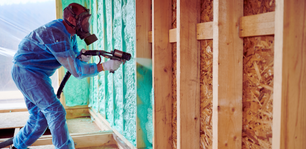
Flame retardants are used in many industries including construction and furniture, paints and varnishes, adhesives, plastics and transport.

The chemistry of polymer combustion and the role of flame retardants

Polymer materials such as polyurethanes are usually flammable in themselves because when heated, the polymer chain decomposes and volatile products are released that support combustion reactions in the gas phase. The polymer combustion process proceeds through the following stages: thermal decomposition of the chain, emission of combustible gases, ignition and flame propagation.

Flame retardants interfere with these stages through various mechanisms, resulting in delayed ignition, reduced combustion intensity and reduced heat and smoke emission.

These mechanisms can be broadly divided into:

  • solid phase action — promoting the formation of a carbon layer (char) that thermally insulates the surface of the material and limits the access of oxygen from the environment,
  • gas phase action — inhibiting key radical reactions in the flame by releasing compounds that dilute the fuel or stop chain combustion reactions,
  • endoenergetic cooling mechanisms — absorbing heat during the decomposition of the flame retardant, which reduces the overall temperature of the combustion zone.

Halogen flame retardants

Some flame retardants contain chlorine or bromine atoms, which in the gas phase act by interfering with reactive radicals in the flame, e.g. H•, OH•, which slows down the combustion reaction and reduces the rate of heat release. However, due to potential health and environmental concerns, specifically the by-products of halogen combustion, their use is increasingly being restricted and replaced by halogen-free solutions.

Halogen-free flame retardants

Halogen-free flame retardants do not contain chlorine or bromine atoms. This group mainly includes:

  • phosphorus compounds (phosphates, phosphinates, phosphonates),
  • nitrogen compounds,
  • inorganic mineral additives (e.g. metal hydroxides).

Phosphorus flame retardants

Under elevated temperatures, the phosphorus atoms in their structure undergo changes leading to the formation of phosphoric and polyphosphoric acids, which act as catalysts for the dehydration of the material. This process promotes the formation of a charred layer (char) on the surface of the burning material, which acts as a barrier limiting oxygen access, heat transfer and the diffusion of volatile decomposition products into the flame zone. This mechanism occurs mainly in the solid phase, and its effectiveness depends on the ability of phosphorus to stabilise the carbon structure by forming thermally stable phosphorus-carbon structures.

One of the commonly used flame retardants is tris(2-chloro-1-methylethyl) phosphate, also known as TCPP (Roflam P), which, thanks to the presence of phosphorus and chlorine, acts in both the solid and gaseous phases, inhibiting flame propagation and limiting the rate of combustion.

Nitrogen flame retardants

This is a group of chemical compounds whose structures contain significant amounts of nitrogen atoms, often in the form of triazine or amines. High nitrogen concentrations promote the release of non-flammable gases, e.g. N₂, NH₃, during decomposition at high temperatures, which leads to the dilution of the mixture of flammable gases and oxygen in the combustion zone, reducing the intensity of the combustion process and delaying ignition. Thanks to this mechanism, nitrogen flame retardants act both in the gas phase and support the mechanisms leading to the formation of a protective carbon layer.

Examples include melamine and its derivatives, melamine cyanurate and melamine polyphosphate, which are often used in polyurethanes, polyamides and other polymers as halogen-free additives.

Inorganic mineral additives as flame retardants

Inorganic mineral additives are a group of substances that affect the flammability of materials through physical and chemical processes occurring at high temperatures, without the participation of carbon atoms characteristic of organic compounds. The most commonly used are metal hydroxides, such as aluminium hydroxide and magnesium hydroxide, which decompose endothermically when heated, emitting water.

Other examples include inorganic phosphates, oxides and mineral fillers, which can act as heat absorbers or help to form a protective layer on the surface of the material.

Modifications and introduction of flame retardants into polyurethane materials

Flame retardants can be incorporated into polyurethanes in various ways — both as additives, i.e. physical admixtures in the polymer mass, and as reactive components that are incorporated into the polymer chain during synthesis. Reactive flame retardants can provide more durable integration with the matrix, reducing migration and improving long-term performance stability.

Technical significance in applications

In polyurethane applications, flame retardants are crucial in the production of foams, elastomers, coatings and structural components, where compliance with fire safety standards, e.g. fire class, is required by regulations and technical standards. A well-chosen flame retardant can significantly increase the ignition time, reduce the rate of flame spread and limit heat and smoke emission, which is critical for the safety of materials in construction, transport and electronic applications.