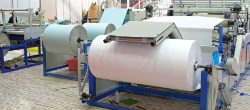
Polyurethane systems are complex reaction systems in which the controlled reaction of isocyanates with polyols leads to the formation of materials with precisely designed structures and properties. The appropriate selection of raw materials and reaction additives allows the reaction process, polymer architecture and physicochemical properties of the resulting materials to be controlled. These systems enable the repeatable production of foams, elastomers and CASE materials with strictly controlled parameters.
From a chemical point of view, a polyurethane system is a set of compatible components in which the reaction of isocyanates with polyols leads to the formation of a cross-linked or linear polyurethane structure. The composition and proportions of the individual raw materials determine the kinetics of the reaction, the degree of cross-linking and the morphology of the final material.
The isocyanates used in polyurethane systems include both aromatic ones, e.g. TDI, MDI, which promote greater thermal and mechanical strength of materials, as well as aliphatic and cycloaliphatic ones, which affect elasticity and other parameters of the final properties.
Chemically, polyurethane systems consist of at least two basic components: an isocyanate part (component A) and a polyol part (component B), which are mixed in strictly defined stoichiometric proportions. Component A contains compounds with active isocyanate groups (–NCO), while component B is a mixture of polyether or polyester polyols and additives that regulate the reaction and the structure of the resulting polymer.
The key stage is the addition reaction of nucleophilic hydroxyl groups
(–OH) of the polyol to the isocyanate groups, leading to the formation of urethane bonds (–NH–CO–O–). This reaction is exothermic and can occur in parallel with other processes, such as the reaction of isocyanates with water, resulting in the release of carbon dioxide and the formation of the cellular structure of polyurethane foams.
The polyol component of the system may additionally contain:
The selection of these components allows control of the density, hardness, elasticity, chemical resistance and thermal stability of the resulting polyurethane.
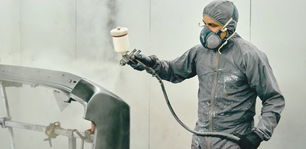
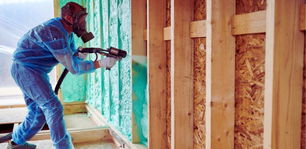
Depending on the chemical composition and functionality of the raw materials used, polyurethane systems can lead to the formation of foamed, open- or closed-cell materials or solid structures such as elastomers, coatings, adhesives and sealants classified as CASE. Thus, polyurethane systems are a universal tool in materials engineering, enabling the design of a wide range of materials through controlled chemical synthesis.
Subscribe to receive information about new products on the Product Portal and commercial information about the PCC Capital Group
Sienkiewicza 4
56-120 Brzeg Dolny
Poland
Rafał Szewczyk
email: iod.rokita@pcc.eu