PCC
RegisterLogin Page

Anionic surfactants

Anionic surfactants are the largest and most widespread class of surface-active compounds. Their use in many industrial processes results from their high chemical stability and excellent compatibility with other surfactants.

Okładka katalogu
Filters
Function
Composition
Segment
Manufacturer
of 7
ROSULfan®O (Sodium octyl sulphate) ROSULfan O is an anionic surfactant from the group of alkyl sulfates. The product is the sodium salt of n-octyl sulfate and is available as a 39-42%, low-viscosity...
Composition
Alkyl sulfates
ROSULfan®O  (Sodium octyl sulphate)
ROSULfan®OD ROSULfan OD is an anionic surfactant belonging to the group of alkyl sulphates. The product is a sodium salt of n-octyl and n-decyl sulphate. The concentration of...
Composition
Alkyl ether sulfates
ROSULfan®OD
Sulfobursztynian DOSS (Sulfosuccinate) DOSS SULFOSUCCINATE is an anionic surfactant with active substance content of 60% diluted in 2-ethylhexanol used as a solvent. It is a surfactant with a limited...
Composition
Sulfosuccinates
Sulfobursztynian DOSS  (Sulfosuccinate)
Sulfobursztynian DOSS50BGE (Sulfosuccinate) SULFOBURSZTYNIAN DOSS50BGE is an anionic surfactant in the form of 50% butylglykol/ethanol solvent system. The product can be used as a wetting agent for colour...
Composition
Sulfosuccinates
Sulfobursztynian DOSS50BGE  (Sulfosuccinate)
Sulfobursztynian DOSS70E (Sulfosuccinate) DOSS70E SULFOSUCCINATE is an anionic surfactant with a concentrated content of the active substance (70%) in ethyl alcohol, with the INCI name: Diethylhexyl Sodium...
Composition
Sulfosuccinates
Sulfobursztynian DOSS70E  (Sulfosuccinate)
SULFOROKAnol® L170/1 (Sodium C12-C14 Laureth Sulfate) SULFOROKAnol L170/1 is an anionic surfactant from the group of alkyl ether sulphates (INCI name: Sodium Laureth Sulphate). The product is mainly based on raw material...
Composition
Alkyl ether sulfates
CAS No.
68891-38-3
SULFOROKAnol®<sup> </sup>L170/1  (Sodium C12-C14 Laureth Sulfate)
SULFOROKAnol® L225/1 (Sodium C12-C14 Laureth Sulfate) SULFOROKAnol L225 / 1 is an anionic surfactant of the group of alkyl ether sulphates (INCI name: Sodium Laureth Sulphate). The product is available as an approximately...
Composition
Alkyl ether sulfates
CAS No.
68891-38-3
SULFOROKAnol® L225/1  (Sodium C12-C14 Laureth Sulfate)
SULFOROKAnol® L227/1 (Sodium C12-C14 Laureth Sulfate) SULFOROKAnol L227 /1 is an anionic surfactant from the group of alkyl ether sulphates (INCI name: Sodium Laureth Sulphate). The product is available as a 27% water...
Composition
Alkyl ether sulfates
CAS No.
68891-38-3
SULFOROKAnol® L227/1  (Sodium C12-C14 Laureth Sulfate)
SULFOROKAnol®L270/1 (Sodium C12-C14 Laureth Sulfate) SULFOROKAnol L270/1 is an anionic surfactant from the group of alkyl ether sulphates (INCI name: Sodium Laureth Sulphate). It is based mainly on raw material of...
Composition
Alkyl ether sulfates
CAS No.
68891-38-3
SULFOROKAnol®L270/1  (Sodium C12-C14 Laureth Sulfate)
SULFOROKAnol® L270/1A (Sodium Laureth Sulfate) SULFOROKAnol L270 / 1A is an anionic surfactant from the group of alkyl ether sulphates (INCI name: Sodium Laureth Sulphate). The product is based mainly on raw...
Composition
Alkyl ether sulfates
CAS No.
68891-38-3
SULFOROKAnol® L270/1A (Sodium Laureth Sulfate)
SULFOROKAnol®L327 (Sodium C12-15 Pareth Sulfate) SULFOROKAnol L327 is an anionic surfactant from the group of alkyl ether sulphates (INCI name: Sodium Pareth Sulphate), based on synthetic alcohol. The product comes...
Composition
Alkyl ether sulfates
CAS No.
125301-92-0
SULFOROKAnol®L327 (Sodium C12-15 Pareth Sulfate)
SULFOROKAnol® L327/1 (Sodium C12-C14 Laureth Sulfate) SULFOROKAnol L327/1 is an anionic surfactant from the group of alkyloterosulphates, based on natural alcohol (INCI name: Sodium Laureth Sulphate). The product has...
Composition
Alkyl ether sulfates
CAS No.
68891-38-3
SULFOROKAnol®<sup> </sup>L327/1 (Sodium C12-C14 Laureth Sulfate)
SULFOROKAnol® L370 (Sodium C12-C15 Pareth Sulfate) SULFOROKAnol L370 is an anionic surfactant from the group of alkyl ether sulfates, based on synthetic alcohol called INCI: Sodium Pareth Sulfate. The product has...
Composition
Alkyl ether sulfates
CAS No.
125301-92-0
SULFOROKAnol®<sup></sup> L370 (Sodium C12-C15 Pareth Sulfate)
SULFOROKAnol®L370/1 (Sodium C12-C14 Laureth Sulfate) SULFOROKAnol L370 / 1 is an anionic surfactant of the group of alkyl ether sulphates, based on natural alcohol (INCI name: Sodium Laureth Sulphate). The product...
Composition
Alkyl ether sulfates
CAS No.
68891-38-3
SULFOROKAnol®L370/1  (Sodium C12-C14 Laureth Sulfate)
SULFOROKAnol®N232P (AES C9-11 Na salt) SULFOROKAnol N232P belongs to the group of specialist anionic surfactants and is the sodium salt of ethoxylic sulphate. It is offered as an approximately 32% low...
Composition
Alkyl ether sulfates
CAS No.
160901-28-0
SULFOROKAnol®N232P  (AES C9-11 Na salt)
SULFOROKAnol®A325/1 (Ammonium Laureth Sulfate) SULFOROKAnol A325/1 is an anionic surfactant with the name defined by INCI as: Ammonium Laureth Sulfate. The product is provided in the form of a viscous liquid...
Composition
Alkyl ether sulfates
CAS No.
32612-48-9
SULFOROKAnol®A325/1 (Ammonium Laureth Sulfate)
SULFOROKAnol®D232P (Ethoxylated Sodium Decyl Sulfate) SULFOROKAnol D232P belongs to the group of specialist anionic surfactants. The product is based on natural raw material and it is the sodium salt of ethoxylic sulphate....
Composition
Alkyl ether sulfates
CAS No.
68610-66-2
SULFOROKAnol®D232P   (Ethoxylated Sodium Decyl Sulfate)
SULFOROKAnol® D232P MB (Ethoxylated Sodium Decyl Sulfate) SULFOROKAnol D232P MB belongs to the group of specialist anionic surfactants. The product is based on natural raw material and it is the sodium salt of ethoxylic...
Composition
Alkyl ether sulfates
CAS No.
68610-66-2
SULFOROKAnol® D232P MB  (Ethoxylated Sodium Decyl Sulfate)
SULFOROKAnol®IT2030 (Tridecyl alcohol, ethoxylated, sulfated; sodium salt) SULFOROKAnol IT2030 is an anionic surface-active agent based on ethoxylated isotridecyl alcohol. This commercial product has the form of a transparent solution with...
Composition
Alkyl ether sulfates
SULFOROKAnol®IT2030  (Tridecyl alcohol, ethoxylated, sulfated; sodium salt)
SULFOROKAnol® IT330 Ready to use SULFOROKAnol IT330 is an anionic surfactant from the alkyl ether sulphate group, based on ethoxylated isotridecyl alcohol with the INCI name: Sodium Isotrideceth...
Composition
Alkyl ether sulfates
SULFOROKAnol® IT330
101 - 120 of 134 products
Items on page: 20

Characteristics and properties of anionic surfactants

Surfactants are among the most versatile chemical compounds in industry. They are amphiphilic molecules with both hydrophilic and hydrophobic parts in their structure. This unique structure gives them exceptional surface properties.

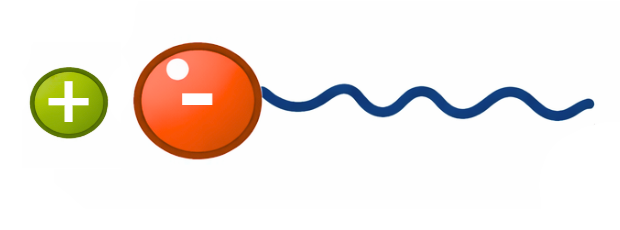
Amphiphiles with a negative charge on their polar group are called anionic surfactants. In solutions and mixtures, they are located at the interface between phases of different polarity. This allows them to effectively reduce surface and interfacial tension.

anionic surfactant chemical structure

Key properties of anionic surfactants:

  • Emulsifying ability,
  • Excellent wetting properties,
  • High and stable foaming ability (over a wide pH range),
  • Very good washing and cleaning properties,
  • Hydrotropic effect,
  • Good biodegradability.

Examples of anionic surfactants – chemical classification

The key chemical groups of anionic surfactants include:

Carboxylates: These are salts and esters of higher carboxylic acids which, upon dissociation in water, form a negatively charged anion. They are formed by the carboxymethylation of fatty alcohol ethoxylates. This type of surfactant includes fatty acid salts, N-acylaminocarboxylates, etc.

Sulphonates: These are derivatives of sulphonic acids. The hydrophilic group in these compounds is directly bonded to carbon (via a C-S bond), which makes them chemically stable. Anionic surfactants in the form of sulphonates include, for example, sodium dodecylbenzenesulphonate, sodium alkyl sulphonate (SAS), etc.

Sulphates: In this class of surfactants, the anionic group is linked to the molecule via an oxygen-sulphur bond. They are characterised by exceptionally good cleaning properties. This group includes compounds such as sodium lauryl sulphate (SLS), ammonium lauryl sulphate (ALS), as well as sodium fatty alcohol ether sulphate (AES), etc.

Phosphate esters: This is a group of compounds where the anion is linked to the molecule via an oxygen-phosphorus bond. The starting materials in the phosphonation process can be fatty alcohols or ethoxylated intermediates. This type of surfactant includes alkyl phosphates, esters based on ethoxylated alcohols, etc.

How to choose an effective anionic surfactant?

Selecting the right surfactant for a formulation is crucial for achieving optimal cleaning performance and product stability. The most important criteria for selection are:

  • the intended use of the product: anionic surfactants are usually the first choice for detergents, in applications requiring high cleaning power, strong foaming properties and good efficacy (e.g. EXOsoft PC35),
  • water hardness: anionic surfactants tend to form insoluble salts with divalent ions. High concentrations in the formulation will generate deposits. Fatty acid salts are characterised by lower resistance. In contrast, ether sulphates (e.g. ROSULfan®L/PH MB) and sulphonates, due to the presence of ethoxylated groups ( ) or strong sulphonic bonds, do not precipitate as easily in hard water,
  • Foaming requirements: where large amounts of foam need to be generated, anionic surfactants are not the best choice. Phosphate esters are primarily low-foaming (designed, for example, for machine washing, e.g. EXOfos®PD-103LP). In products where foam is desirable (e.g. shampoos), sulphates and sulphosuccinates (e.g. EXOsoft L3/40) are more suitable,
  • stability over a wide pH range: in formulations with a low pH range, it is preferable to use, for example, alkylbenzenesulphonates (e.g. EXOcal 60). Compounds such as SLS or SLES may undergo hydrolysis. In contrast, in an alkaline environment, most anionic surfactants are stable. Some products also exhibit high stability in both alkaline and acidic environments (e.g. ROSULfan E).
Anionic surfactants compared to other surface-active compounds

The range of action of surfactants is very broad. They differ in their chemical structure, and consequently in their properties and areas of application.

Anionic surfactants carry a negative charge on their hydrophilic surface. They are highly effective at removing dirt and grease, making them a popular choice in detergents and cleaning agents. They are known for their powerful action. Sometimes, the addition of a non-ionic surfactant to the formulation can significantly reduce the irritating effect of the anionic surfactant, and for applications requiring a gentle action (e.g. in baby care products), it is worth considering milder, amphoteric surfactants.

Anionic surfactants are characterised by excellent cleaning and wetting properties. However, their effectiveness may be limited by hard water. Unlike non-ionic surfactants, they exhibit moderate foaming properties. A major advantage of anionic surfactants is their good compatibility with other anionic, non-ionic and amphoteric compounds. They exhibit limited interaction with cationic surfactants.

Safety standards in surfactant technology

The placing on the market of chemical substances, such as anionic surfactants, or their use in industrial and laboratory processes requires strict compliance with three key pieces of legislation: REACH, CLP and the Detergents Regulation.

The REACH and CLP Regulations form the foundation for ensuring chemical safety. They regulate issues such as the registration, distribution and labelling of manufactured surfactants (the use of appropriate pictograms and hazard statements (H) is particularly important). They strictly define the information that must be included in the Safety Data Sheet – including details on toxicity, degradation and exposure risks. They place great emphasis on identifying residues in anionic surfactants that affect the substance’s toxicological profile.

Regulations concerning anionic surfactants in cosmetics are particularly stringent. Each must undergo a toxicological assessment and possess a so-called Safety Report. Equally important is the control of the content of contaminants that may arise as by-products in the production of surfactants.
A number of legal regulations also cover anionic surfactants used as adjuvants in the agrochemical industry. These require approval regarding safety in contact with plants and their impact on non-target organisms. It is equally important to meet the biodegradability criteria set out in Regulation (EC) No 648/2004 on detergents and to comply with the biodegradation standards in accordance with OECD guidelines.

Key areas where anionic surfactants are used

Cosmetics and personal care products

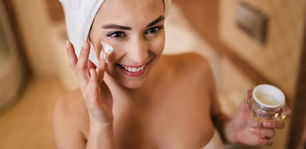
Anionic surfactants are the leading cleaning ingredients in cosmetic products. They are found in products such as hair shampoos, shower gels, liquid soaps, hair conditioners, hairsprays, etc. Some compounds in this group are exceptionally mild on the skin, which makes them suitable for use in children’s cosmetics and selected intimate hygiene products.

Detergents and household chemicals

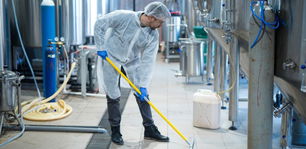
Due to their excellent cleaning properties, anionic surfactants are used as the main active ingredients in soaps and chemical detergents, as well as other cleaning and washing formulations. Most of them are highly resistant to hard water, which makes them ideal for use in dishwashing liquids. In addition, they produce large amounts of foam when mixed. Some anionic surfactants are hypoallergenic, which is why they are often used in detergents designed for sensitive skin. In addition to household chemicals, anionic surfactants are often used in the automotive industry, where they are ingredients in car cleaning and care products.

Production of paints and varnishes

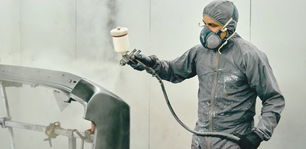
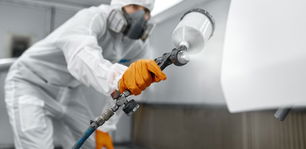
Anionic surfactants are particularly important components in formulations created during the mixing of paints and varnishes. The surface action of these compounds ensures the stability of the pigment in the mixture and its good dispersion. Importantly, they are compatible with most components commonly used in the production of paints and varnishes (inorganic pigments and mineral fillers, dispersing and wetting agents, rheology modifiers and anti-foaming agents).

Agrochemical industry

In agrochemical formulations, anionic surfactants act as dispersing agents and emulsifiers. They stabilise the resulting mixtures and prevent their delamination. They work well with all types of emulsions, concentrates and dispersions used in the agrochemical industry. However, they show the best application performance with suspension concentrates.

Construction

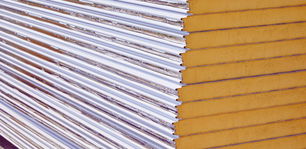
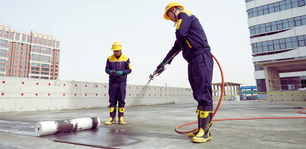
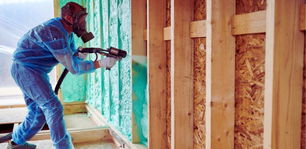
Some anionic surfactants act as air-entraining agents added to construction mixtures. They are used, for example, in the production of drywall, enabling the manufacture of lightweight and durable materials.

Other industrial applications

  • Emulsion polymerisation – they stabilise the dispersion. This allows control over particle size in various systems.
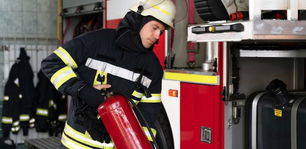
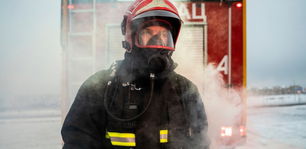
  • Fire extinguishing agents – they are components of synthetic fire extinguishing agents, where they act as basic foaming agents.
  • Textile industry – they play a key role in processes such as wetting, washing and dyeing fabrics.
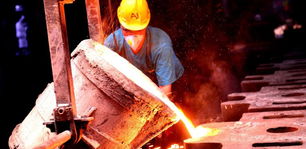
  • Metallurgical industry – they are included in metalworking preparations. Used for cleaning hard surfaces, as well as in metal cutting, grinding and stamping processes.
  • Food and food industry – some anionic surfactants have been approved for use as indirect food additives.