PCC
RegisterLogin Page

Polyether polyols

Polyols are long-chain compounds with polymeric structure ending in at least two hydroxyl groups. Depending on the number of OH groups in the molecule, they are called diols (2 hydroxyl groups), trioles (3 -OH groups), tetrols, etc. This group of compounds includes polyether polyols, also referred to as polyetherols, and polyester polyols.

Filters
Function
Composition
Segment
Manufacturer
of 7
Rokopol® G500 (Polyether polyol) Rokopol® G500 is glycerine-based polyether polyol (polyoxyalkylene triol) which exists in the form of homogeneous, clear liquid. It contains antioxidants (excluding...
Composition
Polyether polyols, Alkoxylated alcohols, Triols
CAS No.
25791-96-2
Rokopol® G500  (Polyether polyol)
Rokopol® G700 (Polyether polyol) Rokopol®G700 is glycerine-based polyether polyol (polyoxyalkylene triol) which exists in the form of homogeneous, clear liquid. It contains antioxidants (excluding...
Composition
Alkoxylated alcohols, Polyether polyols, Triols
CAS No.
25791-96-2
Rokopol® G700  (Polyether polyol)
Rokopol® GS364 (Polyether polyol) Rokopol® GS364 is a low-reactive polyether sucrose polyol that is used in the production of rigid and semi-rigid polyurethane (PUR) foam in reaction with isocyanate....
Composition
Polyether polyols, Sucrose polyols
Rokopol® GS364  (Polyether polyol)
Rokopol® GS484 (Polyether polyol) Rokopol® GS484 is a polyether sucrose polyol that is used in the production of rigid and semi-rigid polyurethane (PUR) foam in reaction with isocyanate. It exists...
Composition
Polyether polyols, Sucrose polyols
Rokopol® GS484  (Polyether polyol)
Rokopol® M5000 (Polyether polyol) Rokopol® M5000 is a polyether polyol produced in the KOH technology. It exists in the form of homogeneous, clear liquid. It contains antioxidants (excluding BHT)....
Composition
Alkoxylated alcohols, Polyether polyols, Triols
CAS No.
9082-00-2
Rokopol® M5000  (Polyether polyol)
Rokopol® M5020 (Polyether polyol) Rokopol® M5020 is a polyether polyol produced in the KOH technology. It exists in the form of homogeneous, clear liquid. It contains antioxidants (excluding BHT)....
Composition
Polyether polyols, Alkoxylated alcohols, Triols
CAS No.
9082-00-2
Rokopol® M5020  (Polyether polyol)
Rokopol® M6010 (Polyether polyol) Rokopol® M6010 is a polyether polyol produced in the KOH technology. It exists in the form of colourless, clear liquid which may be opalescent. It contains antioxidants...
Composition
Alkoxylated alcohols, Polyether polyols, Triols
CAS No.
9082-00-2
Rokopol® M6010 (Polyether polyol)
Rokopol® MH2000 (Polyether polyol) Rokopol® MH2000 is a reactive polyether polyol with increased functionality. It exists in the form of liquid free of mechanical impurities, may be opalescent. It...
Composition
Polyether polyols, Triols
CAS No.
56449-05-9
Rokopol® MH2000 (Polyether polyol)
Rokopol® MH2012 (Polyether polyol) Rokopol® MH2012 is a dispersion of the styrene-acrylonitrile copolymer in the reactive alkoxylated triol, where the copolymer content is 12%. It exists in form of...
Composition
Polyether polyols, Alkoxylated alcohols, Triols
Rokopol® MH2012 (Polyether polyol)
Rokopol® MS5215 Rokopol® MS5215 is a dispersion of the styrene-acrylonitrile copolymer in the reactive alkoxylated triol, where the copolymer content is 15%. The product is in the...
Composition
Alkoxylated alcohols, Polyether polyols, Polymeric polyols
Rokopol® MS5215
Rokopol® MS5225 Rokopol® MS5225 is a polyether polyol in form of white, non-transparent liquid where copolymer content is 25%. It contains antioxidants (excluding BHT). It has hydroxyl...
Composition
Alkoxylated alcohols, Polyether polyols, Polymeric polyols
Rokopol® MS5225
Rokopol® MS5240 Rokopol® MS5240 is a polyether polyol in form of white, non-transparent liquid where copolymer content is 40%. It contains antioxidants (excluding BHT). It has hydroxyl...
Composition
Alkoxylated alcohols, Polyether polyols, Polymeric polyols
Rokopol® MS5240
Rokopol® RF170 (Polyether polyol) Rokopol® RF170Rokopol® RF170 is a reactive, three-function aliphatic polyether amine polyol. It exists in the form of amber-coloured liquid. It has hydroxyl value...
Composition
Polyether polyols, Alkoxylated alcohols, Amine polyols
CAS No.
37208-53-0
Rokopol® RF170  (Polyether polyol)
Rokopol® RF2000 (Polyether polyol) Rokopol® RF2000 is polyether polyol, polyoxyalkylene polyhydric alcohol. It exists in the form of homogeneous, clear liquid. It contains antioxidants (excluding...
Composition
Alkoxylated alcohols, Polyether polyols, Sorbitol polyols
CAS No.
56449-05-9
Rokopol® RF2000 (Polyether polyol)
Rokopol® RF551 (Polyether polyol) Rokopol® RF551 is a general purpose polyether sorbitol polyol used for production of polyurethane (PUR) rigid and semi-rigid foam production in reaction with isocyanate....
Composition
Polyether polyols, Sorbitol polyols
CAS No.
56449-05-9
Rokopol® RF551 (Polyether polyol)
Rokopol® V700 (Polyether polyol) Rokopol® V700 is glycerine-based polyether polyol, polyoxyalkylene triol. It exists in the form of homogeneous, clear liquid. It contains antioxidants (excluding...
Composition
Alkoxylated alcohols, Polyether polyols, Triols
CAS No.
25791-96-2
Rokopol® V700 (Polyether polyol)
Rokopol® vTec 770 (Polyether polyol) Rokopol® vTec 770 is a polyether polyol. It exists as a homogeneous liquid free of mechanical impurities, which may be opalescent. It contains antioxidants (excluding...
Composition
Alkoxylated alcohols, Polyether polyols, Triols
Rokopol® vTec 770  (Polyether polyol)
SyncoPol® AR 350 SyncoPol® AR 350 is reactive amine polyol for spray foam systems of medium viscosity and functionality. This product has functionality of 4.0, high hydroxyl value...
Composition
Polyether polyols, Sorbitol polyols
CAS No.
25214-63-5
SyncoPol® AR 350
SyncoPol® AR300 SyncoPol® AR300 is Amine initiated reaction polyether polyol with hydroxyl value in range 735 - 775 mgKOH/g and molecular weight ~300 g/mol. The product has viscosity...
Composition
Polyether polyols
CAS No.
37208-53-0
SyncoPol® AR300
SyncoPol® DL1001 SyncoPol® DL1001 is a medium molecular weight polyether diol used in a wide variety of polyurethane applications ranging from elastomers, coatings and adhesives...
Composition
Polyether polyols, Diols
CAS No.
25322-69-4
SyncoPol® DL1001
81 - 100 of 129 products
Items on page: 20

Polyols are long-chain compounds with polymeric structure ending in at least two hydroxyl groups. Depending on the number of OH groups in the molecule, they are called diols (2 hydroxyl groups), trioles (3 -OH groups), tetrols, etc. This group of compounds includes polyether polyols, also referred to as polyetherols, and polyester polyols.

Polyether polyols – structure and properties

The polyethers are alkoxylated glycols or polyhydric alcohols which are formed by the reaction of these alcohols with ethylene and / or propylene oxide. Among them, depending on the structure, there are, inter alia, sugar, sorbitol, amine and aromatic polyols.

Polyether polyols have high resistance to hydrolysis. They are usually in the form of colourless liquids, insoluble in water. Their disadvantage is the tendency to oxidize at elevated temperatures. The polyether polyols are soluble in most organic solvents.

Polyether polyols react with isocyanates to form polyurethane materials. Depending on the polyol used, plastics with different characteristics are obtained. Some polyols give polyurethanes softness and flexibility as well as resistance to low temperatures. Thanks to these properties, they are used in the production of flexible foams. However, if there is an aromatic ring or cross-linking agent containing amino groups in the polymer main chain, then the polyurethane is characterized by high hardness and heat resistance.

Applications of polyether polyols

In the PCC Group, polyether polyols are manufactured under the trade name Rokopol® and are intended for the production of various types of polyurethane materials. Currently, polyurethanes have become one of the fastest growing fields of polymer technology, due to the possibility of their comprehensive use, as well as the unique properties of finished products. Polyurethanes are widely used in all fields of technology and economy.

Polyethers can be divided into several groups in terms of applications:

  • polyols for the production of rigid polyurethane foam (used in insulation: in refrigerators, industrial cold stores, refrigeration trucks, in sandwich panels used in construction, showers, cast coatings, one-component sealing foams, acoustic insulation),
  • polyols for the production of elastic block foams (used in household goods, furniture industry, mattresses, protective packaging for the transport of delicate materials, fillers of pillows and quilts),
  • polyols for the production of flexible moulded foams (used in the furniture industry, in floor mats, in the car industry in seats, dashboards and soffits, for the production of high-resilient block foams and floor coatings),
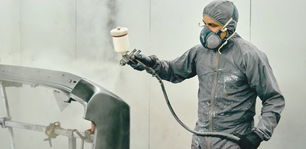
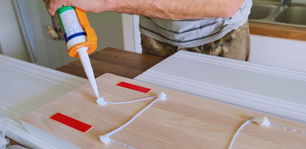
  • polyols for CASE applications (Coatings, Adhesives, Sealants, Elastomers) – used in the mining, automotive, textile, aviation, medical, furniture, construction, printing and food industries, they are also used in the manufacture of office and sports products, as well as in electronics,
  • polyols for non-polyurethane applications – used as lubricants for specialist compressors, liquids for metalworking, hydraulic fluids and transmission oils.