PCC
RegisterLogin Page

Raw materials for the production of facial care cosmetics

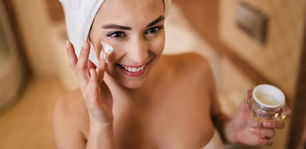
Carefully selected chemical raw materials for the production of facial care cosmetics form the basis of formulations that respond to a variety of skin needs, from cleansing and moisturising to regeneration and protection. Choosing the right ingredients is crucial to ensure that the final product is effective, safe and comfortable to use.

Okładka katalogu
Filters
Function
Composition
Segment
Manufacturer
of 3
ROKAnol® T20 Flakes (Ceteareth-20) ROKAnol® T20 flakes is a non-ionic surfactant (INCI: Ceteareth-20). The commercial product is a white solid available in the form of flakes with a waxy consistency....
Composition
Alkoxylated alcohols, Ethoxylated alcohols
CAS No.
68439-49-6
ROKAnol® T20 Flakes (Ceteareth-20)
ROKAnol® T25 (Ceteareth-25) ROKAnol® T25 is a non-ionic surfactant (INCI: Ceteareth-25). The commercial product is a white solid with a waxy consistency. The solidification point of the product...
Composition
Alkoxylated alcohols, Ethoxylated alcohols
CAS No.
68439-49-6
ROKAnol® T25 (Ceteareth-25)
ROKAnol® T25 FLAKES (Ceteareth-25) ROKAnol® T25 flakes is a non-ionic surfactant (INCI: Ceteareth-25). The commercial product is a white solid available in the form of flakes with a waxy consistency....
Composition
Alkoxylated alcohols, Ethoxylated alcohols
CAS No.
68439-49-6
ROKAnol® T25 FLAKES (Ceteareth-25)
ROKAnol®T20 (Ceteareth-20) ROKAnol® T20 is a non-ionic surfactant (INCI: Ceteareth-20). The commercial product is a white solid with a waxy consistency. The solidification point of the product...
Composition
Alkoxylated alcohols, Ethoxylated alcohols
CAS No.
68439-49-6
ROKAnol®T20 (Ceteareth-20)
ROKAtend LS (Sodium Lauroyl Sarcosinate) ROKAtend LS is an anionic surfactant from the group of amino-acid surfactants with INCI name: Sodium Lauroyl Sarcosinate. It is produced basing on biomimetics, which...
Composition
Amino acid surfactants
CAS No.
137-16-6
ROKAtend LS  (Sodium Lauroyl Sarcosinate)
ROKwinol 60 (Polysorbate 60) ROKwinol 60 is a nonionic surfactant based on natural raw material. It is an ethoxylated sorbitan monostearate derivative called INCI Polysorbate 60. The product...
Composition
Sorbitan esters
CAS No.
9005-67-8
ROKwinol 60 (Polysorbate 60)
ROKwinol 80 (Polysorbate 80) ROKwinol 80 is a nonionic surfactant based on natural raw material. It is an ethoxylated sorbitan monooleate derivative called INCI Polysorbate 80. The product can...
Composition
Sorbitan esters
CAS No.
9005-65-6
ROKwinol 80 (Polysorbate 80)
ROSULfan® A (Ammonium Lauryl Sulfate) ROSULfan A is an anionic surfactant from the group of alkyl sulphates, INCI name: Ammonium Lauryl Sulfate. It is mainly intended for personal care products. It has...
Composition
Alkyl sulfates
CAS No.
90583-11-2
ROSULfan® A (Ammonium Lauryl Sulfate)
ROSULfan®A33 (Ammonium lauryl sulphate) ROSULfan A33 is an anionic surfactant belonging to the group of alkyl sulphates in the form of an aqueous solution of an ammonium salt. It has very good foaming...
Composition
Alkyl sulfates
CAS No.
90583-11-2
ROSULfan®A33  (Ammonium lauryl sulphate)
ROSULfan®A70 (Ammonium Lauryl Sulfate) ROSULfan A70 is an anionic surfactant classified among the alkylsulfates with INCI name: Ammonium Lauryl Sulfate. The product is intended mainly for the production...
Composition
Alkyl sulfates
CAS No.
90583-11-2
ROSULfan®A70 (Ammonium Lauryl Sulfate)
ROSULfan®C/PH (Sodium Coco Sulfate, SCS) ROSULfan C/PH is an alkyl sulphate belonging to the group of anionic surfactants, with the INCI name: Sodium Coco Sulfate, SCS. The production process is based on...
Composition
Alkyl sulfates
CAS No.
68955-19-1
ROSULfan®C/PH   (Sodium Coco Sulfate, SCS)
SULFOROKAnol®L290/1M (MIPA Laureth Sulfate, Propylene Glycol) SULFOROKAnol L290/1M belongs to the group of anionic surfactants known in the INCI as:MIPA Laureth Sulfate (and) Propylene Glycol. It contains approx. 85% of the...
Composition
Alkyl ether sulfates, Mixtures
SULFOROKAnol®L290/1M  (MIPA Laureth Sulfate, Propylene Glycol)
SULFOROKAnol®L385/1T (TIPA Laureth Sulfate, Propylene Glycol) SULFOROKAnol L385/1T belongs to the anionic surfactants group. The product is characterised by high contents of active substance, over 82%. It’s present in the form...
Composition
Alkyl ether sulfates
CAS No.
107600-36-2
SULFOROKAnol®L385/1T   (TIPA Laureth Sulfate, Propylene Glycol)
SULFOROKAnol® L390/1M (MIPA Laureth Sulfate Propylene Glycol) SULFOROKAnol L390/1M belongs to the group of anionic surfactants with active substance concentration of 85%. It is provided in the form of a clear viscous colourless...
Composition
Alkyl ether sulfates, Mixtures
SULFOROKAnol® L390/1M  (MIPA Laureth Sulfate Propylene Glycol)
41 - 54 of 54 products
Items on page: 20

Face care cosmetics

Raw materials for the production of facial care cosmetics are used in a very wide range of products – from light gels and foams for washing, through lotions, emulsions and creams, to masks, scrubs and specialised products for mature or problematic skin. By using the right chemical raw materials, it is possible to create cosmetics tailored to different skin types: dry, normal, combination, oily and sensitive. These raw materials enable the following functions in facial care:

  • deep but gentle cleansing of the skin,
  • moisturising and nourishing,
  • rebuilding and protecting the skin’s hydrolipid barrier,
  • soothing irritation,
  • ensuring skin smoothness and elasticity,
  • consistency stability and good application properties of the cosmetic.

Cleansing properties

In facial care products, surfactants are responsible for removing impurities and excess sebum, as well as for creating foam or cleansing emulsions. The PCC Group offers various types of surfactants: mild amphoteric, non-ionic and anionic, which allows the effect to be tailored to the needs of the skin. For example, betaine-based surfactants, such as those in the ROKAmina® series, provide effective yet gentle cleansing, suitable even for sensitive skin.

How to obtain the right cosmetic formula?

In creams, lotions, emulsions and face serums, it is often necessary to combine water-soluble ingredients with oil-soluble ones, such as oils, vitamins and nutrients. Emulsifiers and solubilisers allow for a stable, homogeneous consistency and prevent the product from separating. Thanks to them, the cosmetic retains its proper structure, and the active ingredients are properly distributed and effective during application.

Moisturising and regeneration

In order for a facial care cosmetic to perform its moisturising, regenerating and protective functions, it often contains raw materials that act as emollients or humectants, which help to retain water in the epidermis, soften the skin and support the protective barrier function. The PCC Group offers substances from various chemical groups that can be used as moisturisers or to enhance skincare properties. These types of raw materials increase the comfort of use of the cosmetic – the skin becomes soft, supple and well moisturised.

Consistency stability

For many facial care products, such as creams, masks, scrubs and emulsions, it is important that they have the right consistency, texture and stability. Rheology modifiers and thickeners ensure the right density, good application and stability during storage. Thanks to them, the cosmetic does not separate, is easy to apply and has a pleasant consistency for a longer period of time.

Active and auxiliary substances

In addition to the basic ingredients, facial care cosmetics often contain functional additives such as active ingredients, fragrances, vitamins, antioxidants or other components that increase effectiveness and combat specific skin conditions.

Benefits, safety and compliance with European standards in the production of facial care products

The chemical raw materials used in the production of facial care cosmetics must comply with applicable regulations and quality standards. In practice, this means that the ingredients should be tested, chemically stable and safe for the skin. The raw materials offered by the PCC Group comply with applicable European Union regulations on cosmetics, including Regulation (EC) No. 1223/2009, and come with complete technical documentation, such as safety data sheets and quality specifications. Many of them also meet additional ecological criteria, including biodegradability and environmental certification requirements.