PCC
RegisterLogin Page

Surfactants

Surfactants are surface active chemical compounds having a specific structure which lower the surface tension of the liquid. Thanks to this property, the surfactants demonstrate many useful features, enabling their use in virtually every industry.

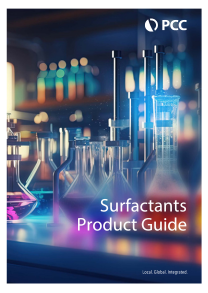
Okładka katalogu
Filters
Function
Composition
Segment
Manufacturer
of 31
EXOdis PC416 (Tristyrylphenol ethoxylates) EXOdis PC416 is a non-ionic surface active agent used as a dispersing and wetting agent in the paint and varnish industry. The product has the form of a 90% clear...
Composition
Alkoxylated alkylaryl phenols
CAS No.
99734-09-5
EXOdis PC416  (Tristyrylphenol ethoxylates)
EXOfos® PT-A (Phosphoric ester) EXOfos PT-A is an anionic surfactant that belongs to the group of phosphoric esters. This ester is based on alkylarylphenol ethoxylate (styrenated phenol type) and...
Composition
Phosphate esters
CAS No.
105362-40-1
EXOfos® PT-A  (Phosphoric ester)
EXOfos®PT-E (Phosphoric ester) EXOfos PT- E is anionic surfactant classified among phosphate esters. This ester is based on ethoxylated alkyl aryl phenol (styrenated phenol type), and is offered...
Composition
Phosphate esters
CAS No.
90093-37-1
EXOfos®PT-E (Phosphoric ester)
EXOsoft PC35 MB (Potassium Cocoate) EXOsoft PC35 is an anionic surfactant which belongs to the group of soaps with the name defined by INCI as Potassium Cocoate. It is a natural product with 100% renewable...
Composition
Other, Salts
CAS No.
61789-30-8
EXOsoft PC35 MB  (Potassium Cocoate)
EXOwet D15 EXOwet D15 is an adjuvant that supports plant protection products. Due to its surface-active properties, the product effectively reduces the surface tension of the...
Composition
Mixtures
EXOwet D15
Propoxylated C12-14 fatty alcohol Propoxylated fatty alcohol C12-14 is classified among non-ionic surfactants. This product is formed as a result of a reaction of fatty alcohol with propylene oxide....
Composition
Alkoxylated alcohols, Propoxylated fatty alcohols
CAS No.
68409-59-6
Propoxylated C12-14 fatty alcohol
Propoxylated C12-15 fatty alcohol Propoxylated fatty alcohol C12-15 is a universal, non-ionic surfactant of synthetic origin. This product is formed as a result of a reaction of fatty alcohol with...
Composition
Alkoxylated alcohols, Propoxylated fatty alcohols
CAS No.
74499-34-6
Propoxylated C12-15 fatty alcohol
ROKAcet R11 (PEG-11 Castor Oil) ROKAcet R11 is a non-ionic surfactant belonging to the group of polyoxyethylene fatty acid esters of castor oil (INCI name: PEG-11 Castor oil). This surfactant is...
Composition
Alkoxylated fatty acids
CAS No.
61791-12-6
ROKAcet R11 (PEG-11 Castor Oil)
ROKAcet R26 (PEG-26 Castor Oil) ROKAcet R26 is a non-ionic surfactant belonging to the group of polyoxyethylene fatty acid esters of castor oil, INCI name: PEG-26 Castor oil. The surfactant is...
Composition
Alkoxylated fatty acids
CAS No.
61791-12-6
ROKAcet R26  (PEG-26 Castor Oil)
ROKAcet R40 (PEG-40 Castor oil) ROKAcet R40 is a non-ionic surfactant from the group of polyoxyethylene fatty acid esters of castor oil, INCI name: PEG-40 Castor oil. The surfactant is in the form...
Composition
Alkoxylated fatty acids
CAS No.
61791-12-6
ROKAcet R40  (PEG-40 Castor oil)
ROKAmin SR15 (C16-18 alkyl amine) ROKAmin SR15 is a non-ionic surfactant; INCI name: PEG-15 Hydrogenated Tallow Amine. It belongs to the group of ethoxylated fatty amines with an average degree of...
Composition
Alkoxylated fatty amines
CAS No.
61791-26-2
ROKAmin SR15  (C16-18 alkyl amine)
ROKAmin SR22 (C16-18 alkyl amine) ROKAmin SR22 is a non-ionic surfactant (INCI name: PEG-22 Hydrogenated Tallow Amine). It belongs to the group of ethoxylated fatty amines with an average ethoxylation...
Composition
Alkoxylated fatty amines
CAS No.
61791-26-2
ROKAmin SR22  (C16-18 alkyl amine)
ROKAmina®K30B (Coco-betaine) ROKAmina K30B is a very high purity product from the group betaine, classified as amphoteric surfactants. The commercial product is a practically colourless aqueous...
Composition
Betaines
CAS No.
66455-29-6
ROKAmina®K30B (Coco-betaine)
ROKAmina®K40 MB (Cocamidopropyl Betaine) ROKAmina K40 belongs to the amphoteric surfactants of the betaine group. The commercial product is an aqueous solution with an active substance content of about...
Composition
Betaines
CAS No.
97862-59-4
ROKAmina®K40 MB (Cocamidopropyl Betaine)
ROKAnol®NL8P4 (C9-11 alcohol, ethoxylated, propoxylated) ROKAnol® NL8P4 belongs to non-ionic surfactants from the group of alkoxylated fatty alcohols. The product belongs to the group of low-foaming surfactants. High surface...
Composition
Alkoxylated alcohols
CAS No.
103818-93-5
ROKAnol®NL8P4  (C9-11 alcohol, ethoxylated, propoxylated)
ROKwin 80 (Sorbitan Oleate) ROKwin 80 is a non-ionic surfactant, a derivative of sorbitan and oleic acid. It is obtained in the condensation reaction of sorbitol with oleic acid. It is produced...
Composition
Sorbitan esters
CAS No.
1338-43-8
ROKwin 80 (Sorbitan Oleate)
ROKwinol 20 (Polysorbate 20) ROKwinol 20 is a non-ionic surfactant based on natural raw material. It is an ethoxylated sorbitan monolaurate derivative named INCI Polysorbate 20. The product...
Composition
Sorbitan esters
CAS No.
9005-64-5
ROKwinol 20 (Polysorbate 20)
ROSULfan®E (Sodium 2-ethylhexyl sulfate) ROSULfan E is an anionic, low-foaming surfactant of the alkyl sulphates group. The product is an aqueous solution of the sodium salt of 2-ethylhexyl sulphate. ROSULfan...
Composition
Alkyl sulfates
CAS No.
126-92-1
ROSULfan®E   (Sodium 2-ethylhexyl sulfate)
SULFOROKAnol®L1230/1 (Sodium C12-C14 Laureth Sulfate) SULFOROKAnol L1230/1 is an anionic surface active agent based on ethoxylated lauryl alcohol. The commercial product has the form of a transparent solution with a...
Composition
Alkyl ether sulfates
CAS No.
68891-38-3
SULFOROKAnol®L1230/1 (Sodium C12-C14 Laureth Sulfate)
TSP Styrenated phenol TSP is a yellow viscous liquid. It is a mixture of phenol-styrene reaction products: mainly distyrenated and tristyrenated phenols. The product is soluble in organic...
Composition
Phenols, Styrenized phenols
TSP Styrenated phenol
1 - 20 of 610 products
Items on page: 20

As an organization focused on innovation, the PCC Group keeps expanding its range of modern surfactants and chemical formulations that are used in many industries. Investment projects started and planned allow the gradual introduction into the company’s product range innovative products that are based on current trends and customer requirements.

The specificity of surfactants

Surfactants (fsurface active agents) are chemical substances with an amphiphilic structure, containing both hydrophilic and hydrophobic fragments. This structure allows them to reduce surface and interfacial tension, enabling the mixing of immiscible liquids (such as water and oils) and the formation of stable emulsions, foams, and micellar solutions.

Surfactants Functions

Because of the surfactants’ role in the specified formula of the product or technological process, they can be divided into the following groups:

  • washing substances and detergents (removal of impurities)
  • wetting agents (increasing spreadability of the liquid)
  • dispersants (comminution of larger particles of the substance into smaller ones)
  • foaming agents (foaming capability)
  • anti-foaming agents (foam reduction)
  • solubilizing agents (increasing the substance solubility)
  • emulsifying agents (e.g. combining oil and water)
  • demulsifying agents (e.g. separation of water from oil)
  • other surfactants.

Surfactants offer

The products offered by the PCC Group can be divided into two main groups:

  • surfactants for use in detergents and cosmetics
  • surfactants for industrial use

Both above-mentioned groups include products having diversified chemical structure, among which we distinguish:

  • anionic surfactants,
  • non-ionic surfactants,
  • cationic surfactants,
  • amphoteric surfactants.

The use of surfactants

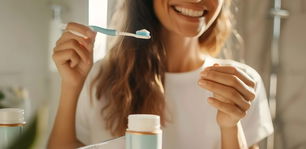
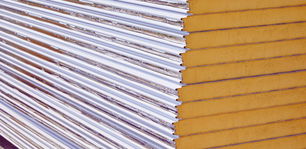
The diversity of the surfactant is determined by a wide range of their applications. These compounds are used, for example, as ingredients in detergents, cosmetics, including personal hygiene products, such as liquid soaps, shower gels, shampoos or toothpaste. Thanks to their unique properties, surfactants are also widely used in paper production, food products, paints and varnishes, as well as in the metallurgical, agrochemical, pharmaceutical, mining, textile, construction industries etc.

Some properties of surfactants

Foaminess and foam reduction

The substance foaming ability is of great importance in many industrial applications, such as mineral flotation, obtaining fire extinguishing agents, in the manufacture of detergents, or in the food processing industry, e.g. production of whipped cream.
In detergents, foam prevents redeposition of dirt in laundry and washing processes, while the foam formed after the addition of the bath liquid delays the cooling of a hot bath and gently soothes the body.

In some applications, foaming is undesirable. In such a case, production or technological processes use surfactants with modified chemical structure which retain their essential surface-active properties without generating foam.

Wetting

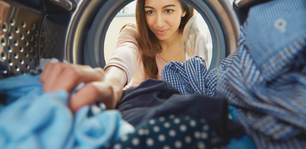
The wetting can be defined as spreading of liquid droplets on solid surfaces, e.g. cotton material and the ability to penetrate into its pores. When the liquid without the addition of a surfactant is applied onto the surface of the material, it remains thereon in the form of a “drop”. If you take the same amount of pure liquid and add a surfactant, you can notice the difference in the area occupied by this liquid. Thanks to the surfactants’ ability to lower the surface tension, it is possible to quickly soak the fabric in the water and wash it.

Emulsification

Emulsification is simply a process of combining the two immiscible and insoluble liquids, such as oil and water. As a result of the emulsification process, an emulsion is obtained, i.e. a heterogeneous, two-phase dispersion ‘liquid-liquid’ system, i.e. a suspension of droplets of one liquid in another liquid. This system, however, is the most unstable, despite frequent use of vigorous mixing. Therefore, in order to obtain stable emulsions, we use the so-called emulsifiers, which are specially selected surfactants. With emulsifiers and emulsification phenomenon, it is possible to produce not only cosmetics such as creams or lotions, but also to form paints, adhesives, asphalt, or any well-known mayonnaise or ice cream.

Detergency

Detergency is the process of removing dirt. Non-polar portions, i.e. hydrocarbon chains of surfactants, combine with dirt particles to form spherical solution called “micelle”. Micelles form a boundary layer that separates particles of dirt from the surface to be cleaned. This results in the formation of emulsion, which is insoluble in water, so that it is easily removed by washing with water, such as rinsing your hands under the stream of water after using soap.


How are surfactants built?

Surfactants (surface active agents) are characterised by an amphiphilic molecule structure. This term is related to the word ‘amphi’, which in the Greek language means ‘both sides’ or ‘both kinds’. A surfactant contains in its structure two radically different parts. The first one is the hydrophilic part, the so-called ‘head’ which has a polar character, while the other is the part made up of a non-polar, hydrophobic ‘tail’.

The hydrophilic ‘head’ of surfactants is characterised by good solubility in polar liquids. It is most commonly formed by fragments that form ions when the entire surfactant molecule is dissolved in water. Hydrophilic moieties with such a character include the carboxylic (-COOH), sulfate (–O-SO3H), sulfonate (–SO3H), and amine groups, e.g. primary amine (–NH2). Other than the above moieties, which have the properties of water-soluble organic salts, there are also other polar groups that do not form ions in water. These include primarily the hydroxide group (-OH), the thiol group (-SH), and the ethoxy group (–CH2CH2O–).

On the other hand, the hydrophobic fragment, i.e. the ‘tail’, is formed by hydrocarbon chains, which are responsible for good solubility of the surfactant molecule in oily liquids. The tail can have a varied structure and length, depending on the number of carbon atoms it contains. Surfactants can feature straight and branching chains, as well as ones containing aromatic rings.


What are surfactants?

Surfactants (surface active agents) are versatile substances with a unique structure, used both in industry and in everyday life.

Surfactants are also called tensides. The name derives from the Latin word ‘tensus’, meaning ‘stretched’, and characterises the ability of surfactants to reduce the surface tension of a liquid.

A characteristic property of surfactants is the ability to form micelles. A micelle (Lat. mica ‘crumb’, micella ‘tiny crumb’) is a group of surfactant or ion particles in a solution, organised usually in a spherical form. Depending on the solvent, their hydrophilic or hydrophobic parts are in the outer or inner section of the micelle. Their forming is accompanied by, among others, a change in the surface tension, osmotic pressure, and electrical conductance.

Surfactants are sometimes equated with detergents. We must stress that this belief is incorrect. Surfactants are the primary ingredients of detergents, that is, cleaning, laundering and washing agents. Other than surfactants, detergents also contain other chemicals, such as active and passive fillers, and additives. For this reason, the definition of surfactant should be used to identify chemical species made up of two moieties: hydrophobic and hydrophilic.

What types of surfactants do we distinguish?

Surfactants which, when dissociating in water, produce anions or cations, or when their charge depends on the pH of the environment, are classified as ionic surface active agents. On the other hand, surfactants that have moieties that are not capable of dissociation are non-ionic surface active agents.
CLASSIFICATION ACCORDING TO STRUCTURE/CHARGE

Depending on their structure, or more specifically on the charge that ionic surfactants attain in aqueous solutions, they are divided into four types.

Ionic surfactants

Anionic

have a hydrophilic fragment that has a negative charge. They are characterised by cleaning and washing properties. They are found in liquid and powder-based detergent formulations. They have foam-forming and wetting properties. They have a mild irritating effect on the skin. They often require a surfactant addition to improve the formulation’s viscosity.

Cationic
have a positively charged ‘head’ They are characterised by conditioning, antistatic and bactericidal properties.
Amphoteric
have positive and negative charges in their surface active part. They fulfil foam forming, foam stabilising, as well as emulsifying and wetting roles. They limit the skin irritating effect of chemicals, while causing no irritation themselves. Compatible with anionic surfactants. Characterised by ready biodegradability.

Non-ionic surfactants

Non-ionic
the hydrophilic fragment has no charge. These compounds are characterised by emulsifying, wetting and dispersing properties. They are able to stabilise foam in hard water. They provide a synergistic effect with anionic surfactants. They are characterised by ready biodegradability. They exhibit a weaker irritating effect than anionic surface active agents.
CLASSIFICATION ACCORDING TO HLB VALUE

Another way of classifying surface active agents is to distinguish them by their application properties according to the HLB value. According to the calculation method developed by Griffin, the hydrophilic-lipophilic balance (HLB) defines a percentage share of hydrophilic moieties in the total mass of a surfactant. This scale can take on values from 0 to 20.

The lower the HLB value of a surface active agent, the better its solubility in oils and other hydrophobic compounds. Conversely, the higher the HLB value, the more hydrophilic a compound is – its water solubility increases, while its solubility in oils drops.

Surfactants are classified into 7 groups with different applications, depending on their HLB values:

  • anti-foaming agents – HLB value 0–2,
  • water-in-oil (W/O) emulsifiers – HLB value 3–6,
  • wetting agents – HLB value 7–9,
  • oil-in-water (O/W) emulsifiers – HLB value 8–15,
  • detergents and cleaning agents – HLB value 12–15,
  • foam-producing agents – HLB value 14–18,
  • solubilisers – HLB value 12–18.

Classification according to HLB values makes it easier to select the right surfactants as ingredients in formulations for specific applications.

What properties and functions do surfactants have?

Surfactants have a varied chemical structure. As a result they are characterised by an entire range of properties and have many different functions. These substances are therefore used in almost every industry. A single surfactant usually has multiple properties, which affect its ultimate use. Proper raw material selection is key in surfactant production. It is this stage that decides the parameters and physicochemical properties of the resulting surfactants, and therefore their subsequent use. For example, laundry and washing agents utilise surfactants with excellent foam-forming and wetting properties, while cosmetics make use of surfactants that are good emulsifiers.

After dissolving or dispersing in a liquid, surfactants are adsorbed at the phase boundary, changing the interphase surface tension. These compounds also have a common quality that enables them to form micelles. Surfactants are characterised by resistance to the effects of alkalis and hard water.

Surfactant solubility in water
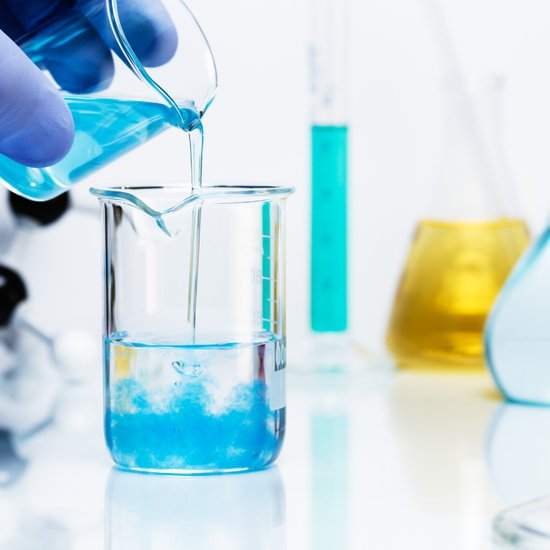
Due to their hydrophilic-hydrophobic structure, surfactants are soluble in many different solvents.

The solubility of ionic surface active agents stems from their ability to dissociate and produce ions. The solubility of non-ionic surfactants belonging to the polyoxyethylenated or polyoxypropylenated compound groups is, on the other hand, caused by the formation of a network of hydrogen bonds between water molecules and ether oxygen.

Solubility in polar compounds stems from the presence of the hydrophilic fragment in the molecule. However, the longer and less branched the hydrocarbon chain is, the lower the water solubility becomes.

Water solubility of surfactants can be adjusted by modifying their structure. Increasing the solubility is possible by introducing a polyoxyethylenated moiety in the molecule or by crossing the Krafft point, which is a particular temperature above which a sudden increase in solubility due to micelle formation occurs. Water solubility of a surface active agent can be reduced by incorporating propylene oxide into its structure.

Surfactant water solubility is also directly related to the hydrophilic-lipophilic balance (HLB) value.

Surfactant surface tension
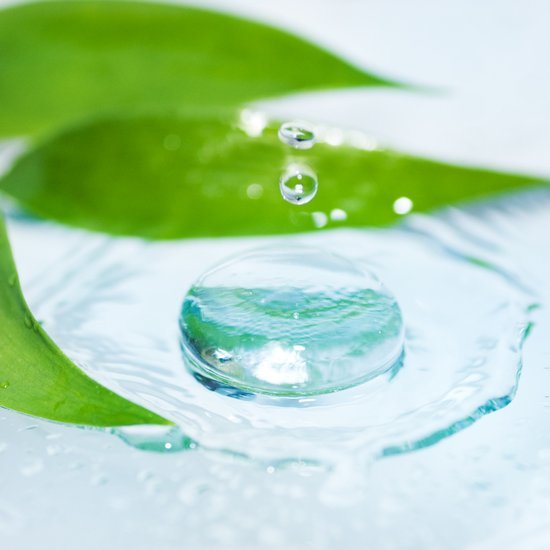
Surface tension is forces that act on the interphase boundary. It is a constant quantity characteristic for each individual liquid, highly dependant on the temperature and environment with which the liquid is in contact. Surface tension is a result of an imbalance of forces acting on the molecules located on the surface of the liquid and in its bulk.

Surfactant molecules are adsorbed on the surface of the liquid phase, positioning themselves with their polar heads towards the bulk of the liquid, and with the hydrophobic tail towards the air. As a result of such an arrangement of the molecules, the surface tension of a liquid is reduced. When a larger amount of a surfactant is added, its molecules disperse in the entire bulk of the liquid in an unordered manner, until the critical micelle concentration (CMC) is exceeded. The molecules then begin to organise themselves in spherical forms called micelles.

When the concentration of a surfactant in a solution increases, its surface tension drops to a certain level and remains constant, regardless of any subsequent increase in concentration. Non-ionic surface active agents are the most effective at reducing surface tension.

Knowing the critical micelle concentration is very important when using surface active agents. This is because it determines the threshold concentration which is most suitable for use in a product for a given surfactant.

Methods that enable measuring surface tension include the stalagmometric method, the capillary rise method, and the maximum bubble pressure method.

Foam-producing properties of surfactants

The foam-producing properties of surfactants is the ability of surfactants to produce foam. Their measure is the volume of foam produced from a solution containing surfactants under specific conditions. This property of surface active agents stems from their ability to arrange themselves into micelles and to stabilise air bubbles.
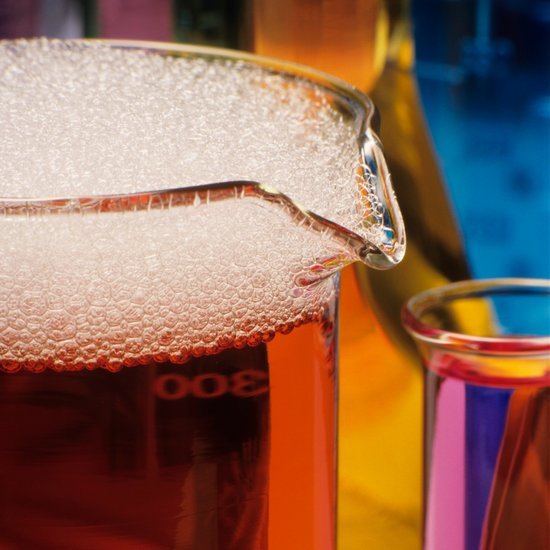
In pure liquids, no foaming process occurs. To produce foam, air or another gas is introduced into a liquid with a suitable surfactant. Surfactant molecules are then ordered on the liquid-gas interphase boundary. If the surfactant concentration in the solution is high, molecules of the surface active agent arrange themselves perpendicularly to the liquid-gas phase boundary. The hydrophilic ‘heads’ position themselves towards the bulk of the liquid, while the hydrophobic ‘tails’ point towards the air. When gas bubbles are released from the liquid phase, the surfactant molecules are adsorbed on the gas surface, forming a foam.

The ability of surfactants to form foams depends on several factors, such as the concentration and chemical structure of the surfactant, pH value of the solution, presence of other ingredients in the solution, as well as water hardness. Surfactant molecules with an alkyl chain 12–15 atoms long, or with a polyoxyethylene chain containing 10–12 oxyethylene groups, have the best foam-forming properties. On the other hand, surfactant molecules with an alkyl chain shorter than 10 or longer than 16 carbon atoms have the worst foam-forming properties.

The foaming ability of every surfactant can be adjusted by modifying its structure. Inserting a polyoxypropylene moiety into the molecule of a surface active agent enables us to reduce its foaming, while an addition of ethylene oxide increases the foam-forming ability of a surfactant.

The foam-producing properties of surfactants play an important role in many industrial applications, e.g. mineral flotation, detergent production, and in the food industry. In some cases, foaming is undesirable, or even harmful. This phenomenon is a hindrance mainly in the textile industry, industrial washing and laundering processes, and in automatic home washing machines. To remove or limit the surfactant foaming ability, an addition of anti-foaming agents can be used (e.g. silicone preparations or certain non-ionic surface active agents).

Surfactants that belong to anti-foaming agents have a hydrophilic-lipophilic balance value within the 1.5–3 range. When the foam-producing ability of surfactants is tested, foam stability and density are evaluated in addition to its volume.

Wetting properties of surfactants
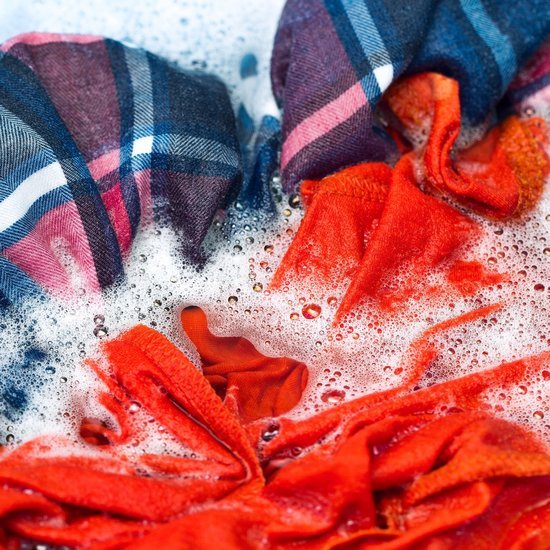
Wettability is another characteristic quality of surface active agents. Thanks to the ability of the molecules to reduce surface tension between a liquid and a solid, and to remove air from solid surfaces, the deliquescence of liquid droplets on the surface is greatly increased. In other words, wettability is the ability of surfactant molecules and their solutions to spread on the surface they are applied on. A result of this phenomenon is a lowered energy barrier between the solution and the wetted surface. This phenomenon leads to an increased contact area, which improves the effectiveness and speed of a given process.

When a pure liquid is compared to one with a surfactant addition, a difference in the areas taken up by either droplet is clearly visible.

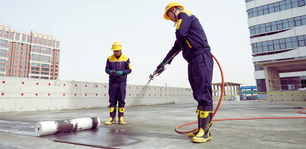
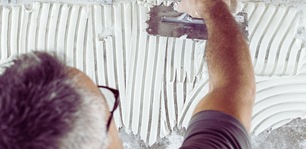
Thanks to the wetting properties of surfactants, textiles can be wetted with water faster, which accelerates the laundering process. This quality is also used in agrochemistry (e.g. wetting of the leaf surface by the sprayed liquid), in the paint and varnish industry, and in the construction industry.

The quantity which describes a liquid’s ability to wet solids is wetting angle Θ, which is the angle between the wetted surface and the wetting droplet. When the angle equals zero, it means total wetting of a given surface by the liquid droplet. An angle 0° < Θ < 90° is characteristic for partially wetting liquids, while angles 90° < Θ < 180° mean partially non-wetting liquids. Liquids completely devoid of wetting ability have a wetting angle Θ of 180°.

Emulsification

Emulsification involves the formation of a suspension of two mutually insoluble and immiscible substances, at least one of which is a liquid. As a result of this process, a heterogeneous dispersive system is formed, a so-called emulsion. If both components are liquids, the emulsion is a suspension of droplets of one phase in the other. One liquid is the continuous, or external phase, the other – the dispersed, or internal phase. However, for such a system to be stable, it is necessary to use a surfactant, which surrounds the droplets of one liquid, separating them from the other phase and preventing them from combining into larger aggregates. This occurs thanks to the ordering of the surface active agent molecules. They arrange themselves with the hydrophilic head towards the polar solvent, and with the hydrophobic tail towards the non-polar phase. This is how oil-in-water emulsions form, where the continuous phase is polar water with a dispersed non-polar oily phase, or conversely – W/O emulsions, i.e. water-in-oil.
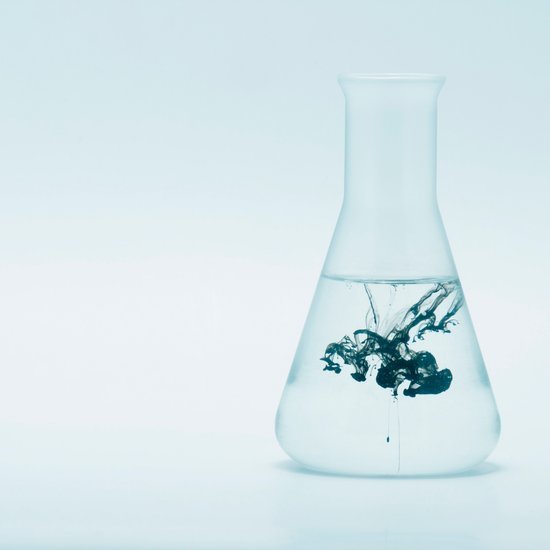
The term emulsion cannot be used to describe mixtures of gases or solids in liquids, suspensions of silver compounds in liquids (so-called photographic emulsion), and mixtures used in combustion engines (so-called fuel-air emulsion).

The affinity of the emulsifier to the oily phase and the aqueous phase is given by the HLB parameter (hydrophilic-lipophilic balance). Its value determines whether a specific surface active agent is better at stabilising water-in-oil or oil-in-water emulsions. Emulsifiers with a HLB lower than 10 usually stabilise water-in-oil emulsions, while emulsifiers with a HLB greater than 10 stabilise oil-in-water emulsions.

During an emulsification process, the stability of the resulting emulsions and their ease of forming are important issues. Emulsifiers can have a number of properties and applications that are useful for their intended function. Requirements placed on emulsifiers include: reduction of surface tension at the interphase boundary, prevention of the inversion phenomenon, emulsion stabilisation, and lack of toxicity or odour. Usually, individual emulsifiers possess only some of the desired properties, so a mixture of suitable emulsifiers is often used.

The ability to form emulsions enables surfactants to be used in many industries. With this phenomenon, we are able to produce cosmetics, paints, adhesives, varnishes and plastics. Additionally, surfactants are used as emulsifiers in the metallurgic, food, resource extraction, fuel, textile, chemical, construction and many other industries.

Detergency
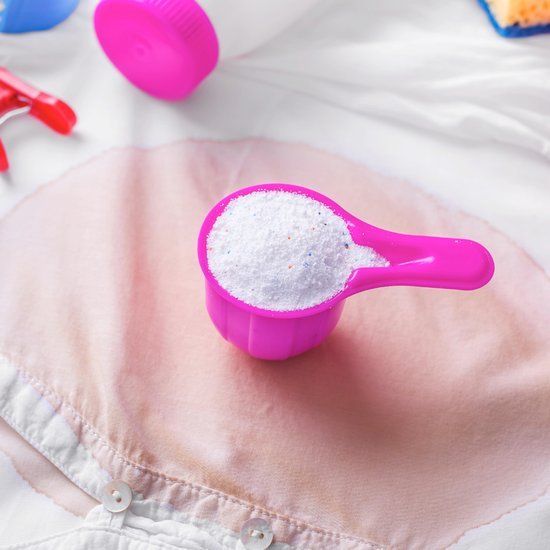
Detergency is a process of impurity removal. It occurs with the participation of surfactants, which surround dirt particles, positioning with the non-polar tails, i.e. their hydrocarbon chains towards them. Next, they break the dirt off the surface and surround it from all sides, forming a micelle. An emulsion thus produced makes it easy to remove impurities.

Note that surfactants exhibit a synergistic effect when combined with other surface active agents. Synergism is a phenomenon where the effect of two or more components is greater than the sum of their individual effects taken separately.




Where are surfactants used?

Due to their variety and peculiar structure, surfactants are very widely used. They find applications both in everyday life and in industry. In everyday situations, they are found in dishwashing liquids, paints, varnishes, adhesives, cosmetics, personal hygiene products, and many others. Surfactants serve a variety of functions in ready-made chemical formulations. The most important include: washing and cleaning, wetting, emulsifying, dispersing, foaming, foam reducing, pH adjusting and others. They also improve the application properties, stability and effectiveness of finished products. When used in industrial processes, they improve their efficiency and efficacy. Thanks to their properties and a broad range of applications, surfactants are one of the most important and common groups of chemicals present in people’s everyday lives. They greatly improve the standard of living and enable continued progress in industry.



Surfactants in cosmetic products can serve a number of functions. These include removal of impurities from the skin surface and producing active foam. Surfactants can also be used as solubilising agents, pH adjusters, emulsifiers in water-in-oil and oil-in-water emulsions, wetting agents and anti-foaming agents.

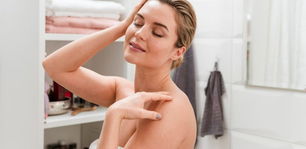
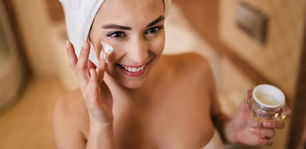
Every household has products that couldn’t fulfil their role without surfactants. Such products include soaps, shower gels, toothpastes, shampoos, body lotions, creams and colour cosmetics. Surfactants enable cleaning the skin of dust, pathogenic microbes, peeled epidermis cells, lipophilic impurities, such as excess serum, and hydrophilic impurities, e.g. mineral salts, which are components of sweat.

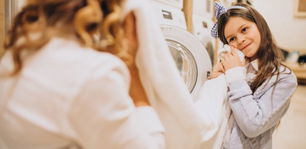
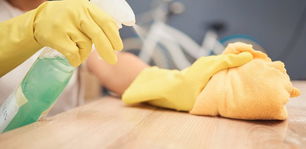
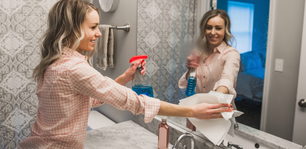
As with cosmetic products, we use detergents in our homes on a daily basis. One needs to remember that they allow us not only to keep our households clean, but industrial and public access facilities as well. Surfactants used in the detergents industry can be found, for example, in laundry powders, liquids and capsules, dishwashing liquids, dishwasher tablets and powders, as well as various agents for cleaning all types of surfaces. The ‘detergents proper’ are the active ingredients of cleaning agents, which also contain other substances, such as dyes, odourants, whitening and nourishing additives. Thanks to the constant development of the detergents industry, manufacturers continue to introduce on the market new, innovative products, containing innovative ingredients. These include state-of-the-art surface active agents that improve the quality and efficiency of the end products. Furthermore, these substances are increasingly frequently based on natural ingredients, making them less invasive for the environment.

Agriculture is absolutely one of the most important industries, as it is responsible for food production. It also impacts other industries, such as textiles, chemistry, pharmaceuticals and others. This is above all related to industry’s demand for different types of raw materials, necessary in the production of specific goods. Surfactants play a major role in agricultural production. Thanks to their use, pesticides – agents belonging to the plant protection products group – and fertilisers are more efficient and effective. This is because the ability of surfactants to reduce the surface tension of working liquids makes it possible to reduce pesticide or fertiliser dosage per hectare of crops.

The ability to reduce surface tensions, and the emulsifying and wetting abilities are the most important properties of the surface active agents used in agrochemicals. Thanks to them, surfactants improve a chemical’s adhesion and the ability of its droplets to spread on the surface of a plant. Furthermore, this also contributes to faster absorption of agrochemicals, which reduces the risk of them being washed away by rain. This is particularly important for plants whose leaves are coated with a thin layer of wax. Agriculture mainly utilises low-foaming surfactants, as foam forming is an undesired phenomenon. It is worth noting that surfactants are also used in the production of animal feeds and in fruit and vegetable processing.

The development of industry and advanced technologies is tied to increasingly intensive designing and use of specialist and innovative machines and devices, and consequently substances responsible for their correct and efficient functioning. It is clear that proper surface preparation improves the effectiveness and quality of the metal treatment process. For this reason, it is necessary to protect the machine parts that are exposed to abrasion caused by friction forces. To prevent this phenomenon, specialist processing liquids are used, indispensable for example in the automotive industry, in household appliance production, galvanisation, and in other industries where metal processing is utilised. An obligatory component of industrial processing liquids are surfactants. The properties of these compounds are, for example, emulsification of oily components of the processing liquids, and proper lubrication. Metallurgical processes also use the cleaning and degreasing abilities of surfactants.

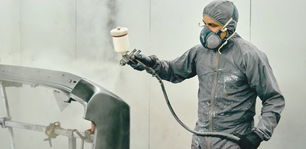
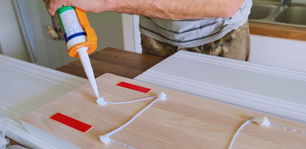
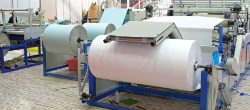
Plastics are a broad range of synthetic and semi-synthetic materials, which play an important role in many different industries. Due to environmental concerns, their production is subject to ever stricter limits and requirements. This drives constant improvement in their production technology, and consequently a better quality of the end products, which include tyres, gaskets, insulation materials, clothing, furniture, paints, varnishes, adhesives and many others. Surfactants are also among the components making up plastics. For example, in latex production, their emulsifying properties are used, while to ensure more effective coating of surfaces to be painted, the wetting ability is necessary. Moreover, surfactants are responsible for easier adding of pigments to paints, while their dispersing properties affect the ultimate form of paints and varnishes.

The textile industry is involved primarily in the process of raw materials intended for fibres, non-woven fabrics and all kinds of woven fabrics. The process is highly complex and comprises multiple stages. Chemical processing operations utilise processing aids, which contain surfactants. The main qualities of the surfactants used in the processing of fibres and textiles are high wettability, washing properties (fibre and fabric preparation for subsequent processing), degreasing properties (e.g. for cleaning wool), and emulsifying properties (e.g. for dyeing).

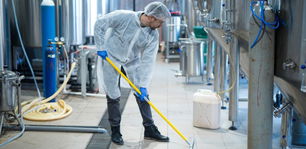
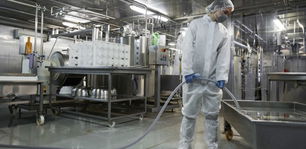
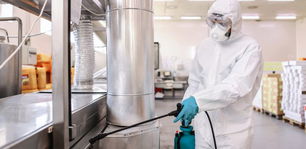
Production equipment and rooms in food, dairy, brewing and other industries are facilities that require maintaining proper cleanliness and hygiene. Regular housekeeping in such areas enables maintaining sufficiently hygienic production conditions, extends equipment life and reduces the risk of failures and accidents. Restrictive hygiene and cleanliness in hospitals and other public facilities is paramount for health reasons.

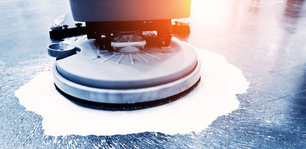
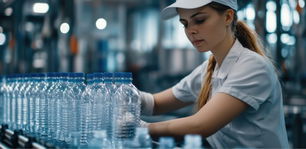
Large-scale washing and laundry operations conducted in hotel and hospital laundry rooms, or even in automatic industrial washing facilities, require sufficiently advanced washing and laundry agents with a balanced composition. To ensure sufficient effectiveness of cleaning and washing products, appropriate cleaning and washing technologies are used, which take advantage of specialist surfactants with customised wetting, cleaning and washing properties. Additionally, these agents are compatible with disinfecting components and reinforce their effects by making it easier to penetrate the surfaces to be cleaned. Surface active agents with balanced foam-producing and cleaning properties enable performing washing processes that are highly important for industry, e.g. CIP – Cleaning in Place. Surfactants thus fulfil a key role in industrial and institutional cleaning processes.

The varied structure of surfactants is decisive for their large-scale use in virtually any area of life. In addition to the already discussed applications, this group of chemical compounds also plays an important role in:

  • food industry as stabilisers and emulsifiers,
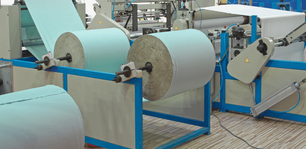
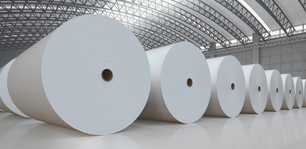
  • paper and textile industries as components of paints, varnishes, inks and printer inks,
  • oil and mining industry as demulsifiers for crude oil desalting, and as additives to petrochemical products,
  • microelectronics in forming of magnetic particles,
  • pharmaceuticals,
  • foam-producing fire extinguishing agents.

Anionic and non-ionic surfactants are the most widely used in industry. Cationic surface active agents are used markedly less commonly due to their poorer biodegradability. Amphoteric surfactants, due to their high production costs, are usually used for specialist applications and in cosmetics.

The most popular anionic surface active agents are linear alkylbenzenesulfonates – LAS. These substances are in mass use due to their low price and safety for the environment. Other frequently used surfactants are fatty alcohol sulfates and their alkoxylates, as well as sulfonated alpha olefins. Among non-ionic surfactants, on the other hand, oxyethylenated fatty alcohols, alkoxylated alkylphenols, and alkyl polyglucosides are used in the greatest quantities.

What is the impact of surfactants on the environment?

Surfactants have a limited impact on the natural environment. Some of them are readily biodegradable and show no adverse effects on plants, animals or humans. They also do not contribute to soil or water pollution.

Some surface active agent groups are dangerous to the environment, however. The most harmful are cationic surfactants, although it is mainly their metabolites (such as nonylphenol) that are toxic, which form as a result of surfactant decomposition by bacteria. These substances can be absorbed quickly, and they interfere in an organism’s lifecycle, causing dysfunctions. Substances that are not biodegradable remain in the environment in an unchanged form. At low concentrations, they usually pose no major hazard.

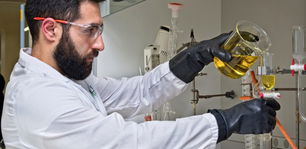
It must be noted, however, that some surface active agents are hazardous for the human body as well. They may cause skin, eye or respiratory irritation, or even damage. Surfactants can also be harmful when ingested. As a result, when working with these compounds, proper personal protective equipment must be used

What is the forecast for the surfactant market?

Both in Poland and globally, the demand for surfactants continues to increase, especially in those regions where large population concentrations are found (Asia-Pacific). Available market research confirms that interest in this group of chemicals is growing and will continue to grow in the coming years. The main cause of this trend is believed to be the growing demand of the population for detergents, cosmetics and personal hygiene products. Another driver of increasing demand for surfactants will be the growth of industry, and consequently the demand for specialist surface active agents of different functions and properties. The market for these compounds is today formed by several dozen major manufacturers, and the development of the surfactant industry is decided primarily by innovations, product multifunctionality, identification of niches on the market, and adapting the specialist range to the individual needs of customers operating in different industries. For this reason, surfactant manufacturers focus on deploying innovative products, developing new production technologies, and seeking new specialist applications.

The surfactant market is divided into two parts. The first one is surfactants produced and consumed in large quantities, called mass surfactants. The second group are specialist surfactants, whose parameters and properties are customised for the specific needs of their users. Both of these groups are highly popular with their consumers, mainly household chemistry and personal hygiene chemical companies, as well as manufacturers of formulations for industrial applications. Sales are conducted either directly by the manufacturers or through distribution network.

The factors shaping surfactant sales are: demand for products manufactured on their basis, development trends in industries, as well as new technologies. The condition of the economy, monetary policy and the ability to obtain external financing are also significant influences. Raw material prices and availability, competition among surfactant suppliers, as well as their production costs also have huge impact surfactant sales.

The region where the surfactant market is growing the fastest, both in terms of sales and consumption, is the Asia-Pacific area. Currently, it is the most promising market for manufacturers of these compounds. The potential lies in macroeconomic factors, such as the high economic growth dynamics, unsaturated markets, growing population and increasing standard of living. The European market differs from the global one by its high saturation and highly competitive. The biggest surfactant consumers in Europe are countries located in its western part, especially Germany.

Surfactant manufacturers continue to perfect their production technologies and include new, innovative products in their product ranges. They develop and deploy new groups of surface active agents, finding niche applications for them.

One of the major surfactant suppliers on the market is the PCC Group. The company has been building its position as a surfactant supplier and as a commercial partner that has ready-made industrial formulations available in its product range. The company offers innovative solutions that are utilised by the most demanding users. By orienting its business towards the individual needs of its customers, the Group continues to expand its product portfolio.

The PCC Group offers surfactants with a guarantee of the highest quality. Specialists responsible for commercial handling of individual geographical regions or expert product group consultants prepare a beneficial proposal, provide professional assistance in selecting products, present the product variant that is most suitable for a particular application, and help in organising safe and reliable transport to the destination.

The PCC Group range includes surfactants dedicated for a range of different applications. For this reason, product prices are individually agreed on with each customer. To make a purchase or browse the available products, enter the PCC Group Product Portal website. Click the following link to find out where to buy surfactants.

After entering the site, complete a short form, call or send an e-mail, and our company’s experts will contact every customer and prepare a customised proposal. In addition, PCC Group experts will present the delivery conditions, availability and price, and will provide information on the possible applications of specific products.