PCC
RegisterLogin Page

Adjuvants

Adjuvants are substances contained in plant protection products or added to the spray tank to modify the biological properties of the active substance in the formulation or to alter the physicochemical parameters of the spray mixture.
Filters
Function
Composition
Segment
Manufacturer
of 8
ROKAnol®NL9 (C9-11 PARETH-9 ROKAnol® NL9 belongs to non-ionic surfactants from the group of ethoxylated fatty alcohols (INCI name: C9-11 Pareth-9). The product belongs to the ROKAnol® NL series,...
Composition
Alkoxylated alcohols, Ethoxylated alcohols
CAS No.
68439-46-3
ROKAnol®NL9  (C9-11 PARETH-9
ROKAnol®O10 (Oleth-10) ROKAnol® O10 belongs to non-ionic surfactants from the group of ethoxylated fatty alcohols (INCI name: Oleth-10) of hydrophilic character. At room temperature it...
Composition
Alkoxylated alcohols, Ethoxylated alcohols
CAS No.
9004-98-3
ROKAnol®O10  (Oleth-10)
ROKAnol®O18 (Oleth-18) ROKAnol® O18 belongs to non-ionic surfactants from the ethoxylated fatty alcohols (INCI name: Oleth-18) with hydrophilic character. At room temperature the product...
Composition
Alkoxylated alcohols, Ethoxylated alcohols
CAS No.
9004-98-2
ROKAnol®O18  (Oleth-18)
ROKAnol® O20 (Oleth-20) ROKAnol® O20 belongs to the group of non-ionic surfactants of the type of ethoxylated fatty alcohols (INCI name: Oleth-20). At room temperature, the product has...
Composition
Alkoxylated alcohols, Ethoxylated alcohols
CAS No.
9004-98-2
ROKAnol® O20 (Oleth-20)
ROKAnol®O3 (Oleth-3) ROKAnol® O3 belongs to non-ionic surfactants from the group of ethoxylated fatty alcohols (INCI name: Oleth-3) of a moderately lipophilic character. It is produced...
Composition
Alkoxylated alcohols
CAS No.
9004-98-2
ROKAnol®O3 (Oleth-3)
ROKAnol® O5 (Oleth-5) ROKAnol® O5 belongs to non-ionic surfactants from the group of ethoxylated fatty alcohols (INCI name: Oleth-5). The product is available in the form of a straw to...
Composition
Alkoxylated alcohols
CAS No.
9004-98-2
ROKAnol® O5 (Oleth-5)
ROKAnol®T12 (Ceteareth-12) ROKAnol T12 belongs to the group of non-ionic fatty alcohol ethoxylate surfactants, INCI name: Ceteareth-12. The product is based on the high molecular weight alcohol...
Composition
Alkoxylated alcohols, Ethoxylated alcohols
CAS No.
68439-49-6
ROKAnol®T12 (Ceteareth-12)
ROKAnol® T18 (Ceteareth-18) ROKAnol® T18 belongs to non-ionic surfactants from the group of ethoxylated fatty alcohols, INCI name: Ceteareth-18. The product is based on high molecular alcohol...
Composition
Alkoxylated alcohols
CAS No.
68439-49-6
ROKAnol® T18 (Ceteareth-18)
ROKAnol®T6 (Ceteareth-6) ROKAnol® T6 is a non-ionic surfactant belonging to the group of ethoxylated fatty alcohols (INCI name: Ceteareth-6). The product is of natural origin, based on linear...
Composition
Alkoxylated alcohols, Ethoxylated alcohols
CAS No.
68439-49-6
ROKAnol®T6 (Ceteareth-6)
ROKAnol® DB7R (C12-15 Pareth-7) ROKAnol DB7R is a non-ionic surfactant, belonging to the group of ethoxylated fatty alcohols (INCI: C12-15 Pareth-7). It is a highly concentrated product. It contains...
Composition
Alkoxylated alcohols, Ethoxylated alcohols
CAS No.
68131-39-5
ROKAnol® DB7R  (C12-15 Pareth-7)
ROKAnol®DB9 (C12-15 alcohol, ethoxylated) ROKAnol® DB9 is a non-ionic surfactant (ethoxylated fatty alcohols, INCI name: C12-15 Pareth-9). The product belongs to the ROKAnol® DB series which is based on...
Composition
Alkoxylated alcohols, Ethoxylated alcohols
CAS No.
68131-39-5
ROKAnol®DB9  (C12-15 alcohol, ethoxylated)
ROKAnol® GA4 (Alcohol C10, ethoxylated) ROKAnol GA4 belongs to the group of ethoxylated fatty alcohol surfactants. The product co-creates the group of surfactants based on C10- Guerbet alcohol. The commercial...
Composition
Alkoxylated alcohols, Ethoxylated alcohols
CAS No.
160875-66-1
ROKAnol® GA4  (Alcohol C10, ethoxylated)
ROKAnol®GT10 (C9-16 alcohol ethoxylated) ROKAnol® GT10 is a non-ionic surfactant from the group of ethoxylated fatty alcohols with a C9 - C16 chain length. The product belongs to the ROKAnol® GT series....
Composition
Alkoxylated alcohols, Ethoxylated alcohols
CAS No.
97043-91-9
ROKAnol®GT10  (C9-16 alcohol ethoxylated)
ROKAnol®GT10W (C9-16 alcohol ethoxylated) ROKAnol® GT10W is classified among the non-ionic surfactants in the group of ethoxylated fatty alcohols with a chain length of C9 - C16. This product is a part of...
Composition
Alkoxylated alcohols, Ethoxylated alcohols
CAS No.
97043-91-9
ROKAnol®GT10W  (C9-16 alcohol ethoxylated)
ROKAnol®GT5 (C9-16 alcohol ethoxylated) ROKAnol® GT5 belongs to the group of ethoxylated fatty alcohol surfactants. The product belongs to the group of surfactants based on C9-C16 alcohol. Due to its special...
Composition
Alkoxylated alcohols, Ethoxylated alcohols
CAS No.
97043-91-9
ROKAnol®GT5 (C9-16 alcohol ethoxylated)
ROKAnol®GT6 (C9-16 alcohol ethoxylated) ROKAnol® GT6 is a non-ionic surfactant. It belongs to the group of ethoxylated fatty alcohols. The product is part of a series of surfactants based on C9-C16 alcohol....
Composition
Alkoxylated alcohols, Ethoxylated alcohols
CAS No.
97043-91-9
ROKAnol®GT6  (C9-16 alcohol ethoxylated)
ROKAnol®GT6R (C9-16 alcohol ethoxylated) ROKAnol® GT6R belongs to non-ionic surfactants from the group of ethoxylated fatty alcohols with a C9 - C16 chain length. The product belongs to the ROKAnol® GT...
Composition
Alkoxylated alcohols, Ethoxylated alcohols
CAS No.
97043-91-9
ROKAnol®GT6R  (C9-16 alcohol ethoxylated)
ROKAnol®GT7 (C9-16 alcohol ethoxylated) ROKAnol® GT7 belongs to non-ionic surfactants from the group of ethoxylated fatty alcohols with a C9 - C16. chain length. The product belongs to the ROKAnol GT®...
Composition
Alkoxylated alcohols, Ethoxylated alcohols
CAS No.
97043-91-9
ROKAnol®GT7  (C9-16 alcohol ethoxylated)
ROKAnol®GT8 (C9-16 alcohol ethoxylated) ROKAnol® GT8 is a non-ionic surfactant from the group of ethoxylated fatty alcohols with a chain length of C9 - C16. The product belongs to the ROKAnol® GT series....
Composition
Alkoxylated alcohols, Ethoxylated alcohols
CAS No.
97043-91-9
ROKAnol®GT8  (C9-16 alcohol ethoxylated)
ROKAnol®GT9 (C9-16 alcohol ethoxylated) ROKAnol® GT9 belongs to non-ionic surfactants (ethoxylated fatty alcohols with a chain length C9-C16, of the ROKAnol® GT series). ROKAnol® GT9 contains about 100%...
Composition
Alkoxylated alcohols, Ethoxylated alcohols
CAS No.
97043-91-9
ROKAnol®GT9   (C9-16 alcohol ethoxylated)
101 - 120 of 153 products
Items on page: 20

The importance of adjuvants in agriculture

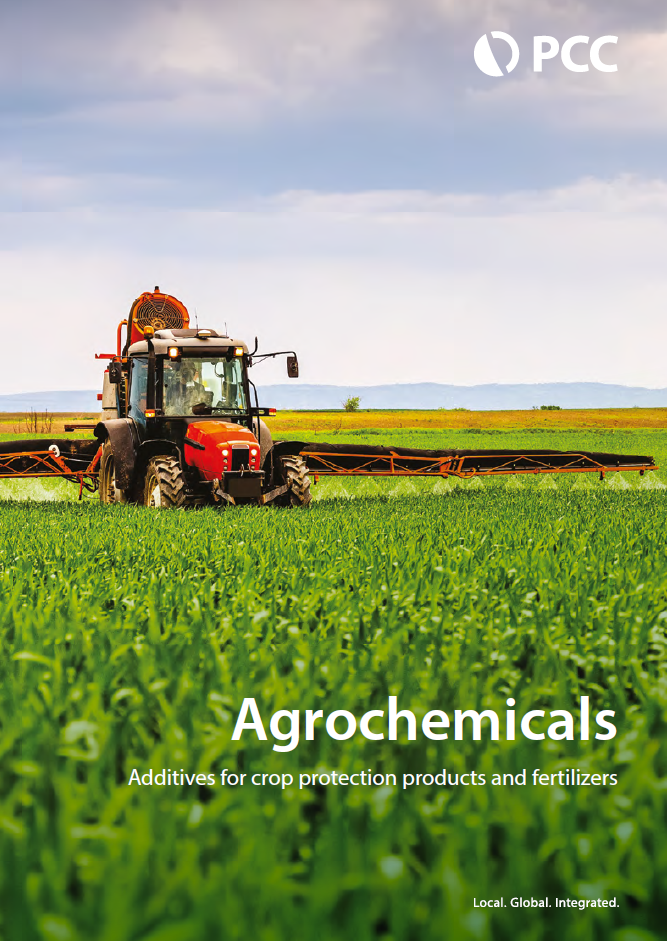
Adjuvants constitute a very large group of compounds and substances that are often essential for the preparation of agrochemical formulations to ensure their more efficient delivery to plants. These additives modify the properties of the spray solution, which improves the active ingredient’s efficacy, partly due to better penetration of the formulation through the leaf cuticle. They are a key support for modern agriculture, as, thanks to precisely selected raw materials, these products enable the optimisation of the spraying process, increase the effectiveness of active ingredients and reduce cultivation costs.
Adjuvants can be divided into those that can be built into the formulation (built-­ -in) and those that can be added separately to the spray tank along with other agrochemicals.

The use of adjuvants brings many benefits, such as:

  • increased spraying efficiency,
  • reducing the environmental impact of chemicals,
  • cost reduction,
  • savings in time and raw materials.

What roles do raw materials play in the production of adjuvants?

Adjuvant formulations are specialised preparations, composed of precisely selected ingredients. The raw materials used in the production process play a key role in modifying the physicochemical properties of the working fluid, which directly translates into increased efficacy of plant protection products and various fertiliser preparations (liquid foliar fertilisers, biostimulants).

The most important auxiliary components in adjuvant formulations:

  • Solvents – determine the functionality of the formulation. Due to its low cost and lack of toxicity, water is most commonly used. However, oils (vegetable or mineral) and their methyl esters are also frequently used. Oil-based adjuvants are mainly used to improve penetration of the leaf cuticle, due to their high affinity for hydrophobic surface waxes, and to enhance the effectiveness of herbicides.
  • Wetting agents – aid the effective distribution of plant protection products across the surface of leaves and stems, intensifying the product’s action. This is achieved by reducing the surface tension that arises on the leaf surface between the spray liquid and the hydrophobic cuticular waxes.
  • Adhesion enhancers – facilitate the adhesion of plant protection products to the leaf surface, reduce the bounce-off of spray droplets and the run-off of the spray, ensuring it adheres better to the plant. This prevents the products from running off the plant surface.
  • Water conditioners – stabilise the pH and soften the water by binding calcium and magnesium ions.
  • Anti-foaming agents – effectively reduce the amount of foam formed in systems containing substances with strong foaming properties, such as surfactants. They are particularly important in agriculture, as foam formation in a sprayer disrupts its operation and can lead to uneven application of the substance onto crops.
  • Surfactants – the basic components of adjuvant formulations. Depending on their structure and properties, they can perform various roles.
    • Emulsification – particularly important in oil-based adjuvant formulations, which must be evenly dispersed in water before the spray mixture is applied to crops. Thanks to effective emulsification, the oil and water phases can combine effectively, forming a homogeneous and stable spray mixture.
    • Dispersion – anionic surfactants are key stabilising components in aqueous suspension systems. Thanks to the negative charge they introduce into the system, they cause electrostatic interactions, thereby preventing the aggregation and sedimentation of solid particles. Their even dispersion leads to a stable, homogeneous suspension, enabling more effective crop spraying.
    • Moisture retention – this is achieved by humectants. Thanks to their hygroscopic properties and ability to bind water molecules, they form a thin film on the leaf surface that slows down evaporation and drying. This is particularly important in low-humidity conditions and when water loss needs to be minimised.
    • Reducing spray drift – achieved through the use of anti-drift agents, which modify the viscosity and surface tension of the spray mixture. These substances promote the formation of larger, stable spray droplets that are resistant to wind drift and bouncing off leaf surfaces. As a result, agricultural treatments are more precise and result in lower losses of spray solution, as they maximise the amount of spray solution reaching the crops.

Chemical raw materials for the production of adjuvants in the PCC Group’s range

Surfactants play various roles in the action of adjuvants. Thanks to their amphiphilic structure, they fulfil a number of key functions – they are responsible for reducing surface tension , emulsification, wetting, uniform spray application, spray absorption rate, reducing foaming and modifying the rheology of finished formulations.

The PCC Group has a wide range of raw materials dedicated to the production of adjuvants in its portfolio.

Among the most important products in our range are non-ionic surfactants (the ROKAnol, ROKAcet, ROKwinol, POLIkol and ROKAmer groups). This is the largest group of raw materials, valued above all for its stability and compatibility with other formulation ingredients. They effectively reduce the surface tension of working fluids. They are ideal as emulsifiers, solubisers and wetting agents, as well as humectants (POLIkol) and anti-drift agents (ROKAmer 6500 and 1010).

Products from the ROKAmina series, which are amphoteric surfactants, are also used as raw materials for the production of adjuvants. They are highly valued as adjuvants incorporated into SL formulations with high concentrations of active ingredient salts, where they demonstrate high compatibility with the formulation and enhance its efficacy. SL formulations containing glyphosate salts are an excellent example of this.

Anionic surfactants, thanks to the negative charge present in the molecule, are effective, for example, in dispersing and stabilising suspension formulations of plant protection products. Representatives of this category include the SULFOROKAnol and Sulfobursztyniany product groups. The latter, in particular, are valuable ingredients in the agrochemical industry as dispersing and wetting agents. Due to their properties, they are widely used in WP and WG formulations.

The PCC Group’s portfolio also features specialist additives for the production of adjuvants – primarily the EXOwet group and selected products from the ROKAnol group. These are surfactants that offer solutions going beyond the standard functions of surface-active compounds.

PCC Group – a supplier of high-quality raw materials

The PCC Group’s portfolio includes a wide selection of chemical raw materials for the production of adjuvants dedicated to the agrochemical industry. The product catalogue features both surfactants and specialist additives.

In the production of adjuvants for agrochemicals, great emphasis is placed on the use of raw materials that are safe for the environment. The PCC Group is committed to eco-friendly solutions – with environmental protection in mind, it has created the Greenline product range.

Furthermore, selected raw materials in the range carry the prestigious international ECOCERT label, which is the most important and widely recognised certification of quality and environmental safety in Europe.