PCC
RegisterLogin Page

Binders

Substances that have the ability to permanently bind materials together are called binders

Filters
Function
Composition
Segment
Manufacturer
POLIkol 1500 FLAKES (PEG-32) POLIkol 1500 Flakes is a product belonging to the polyoxyethylene-glycol group - PEG with an average molecular weight of 1500 (INCI name: PEG-32). The commercial...
Composition
Polyethylene glycols
CAS No.
25322-68-3
POLIkol 1500 FLAKES (PEG-32)
POLIkol 4500 FLAKES (PEG-100) POLIkol 4500 Flakes is a product belonging to the group of polyoxyethylene glycols (PEG with an average molecular weight of 4500), INCI name: PEG-100. The commercial...
Composition
Polyethylene glycols
CAS No.
25322-68-3
POLIkol 4500 FLAKES (PEG-100)
POLIkol 1500 (PEG-32) POLIkol 1500 is a product belonging to the polyoxyethylene-glycol group - PEG with an average molecular weight of 1500 (INCI name: PEG-32). The commercial product...
Composition
Polyethylene glycols
CAS No.
25322-68-3
POLIkol 1500 (PEG-32)
POLIkol 2000 FLAKES (PEG-45) POLIkol 2000 Flakes is a product that belongs to polyoxyethylene glycols (PEG with an average molecular weight of 2000), INCI name: PEG-45. The commercial product...
Composition
Polyethylene glycols
CAS No.
25322-68-3
POLIkol 2000 FLAKES (PEG-45)
POLIkol 2000 (PEG-45) POLIkol 2000 is a product belonging to the group of polyoxyethylene glycols (PEG with an average molecular weight of 2000), INCI name: PEG-45. The commercial product...
Composition
Polyethylene glycols
CAS No.
25322-68-3
POLIkol 2000 (PEG-45)
POLIkol 4500 (PEG-100) POLIkol 4500 is a product belonging to the group of polyoxyethylene glycols (PEG with an average molecular weight of 4500), INCI name: PEG-100. The commercial product...
Composition
Polyethylene glycols
CAS No.
25322-68-3
POLIkol 4500 (PEG-100)
POLIkol 6000 (PEG-135) POLIkol 6000 is a product belonging to the group of polyoxyethylene glycols (PEG with an average molecular weight of 6000), INCI name: PEG-135. The commercial product...
Composition
Polyethylene glycols
CAS No.
25322-68-3
POLIkol 6000 (PEG-135)
POLIkol 6000 FLAKES (PEG-135) POLIkol 6000 Flakes is a product belonging to the group of polyoxyethylene glycols (PEG with an average molecular weight of 6000), INCI name: PEG-135. The commercial...
Composition
Polyethylene glycols
CAS No.
25322-68-3
POLIkol 6000 FLAKES (PEG-135)
POLIkol 8000 FLAKES (PEG-180) POLIkol 8000 flakes is a product belonging to the group of polyoxyethylene glycols (PEG with an average molecular weight of 8000), INCI name: PEG-180. The commercial...
Composition
Polyethylene glycols
CAS No.
25322-68-3
POLIkol 8000 FLAKES (PEG-180)
POLIkol 8000 (PEG-180) POLIkol 8000 is a product belonging to the group of polyoxyethylene glycols (PEG with an average molecular weight of 8000), INCI name: PEG-180. The commercial product...
Composition
Polyethylene glycols
CAS No.
25322-68-3
POLIkol 8000 (PEG-180)
POLIkol 6000 PASTYLKI POLIkol 6000 PILLS is a polyoxyethylene glycol (PEG) product with an average molecular weight of 6000, known by its INCI name PEG-135. It is commercially available...
Composition
Polyethylene glycols
CAS No.
25322-68-3
POLIkol 6000 PASTYLKI
SyncoPol® EB2500 SyncoPol® EB2500 is branched polyester polyol with hydroxyl value in range 43 – 48 mgKOH/g and molecular weight ~2500 g/mol. The product has viscosity in range 850...
Composition
Polyester polyols
SyncoPol® EB2500
POLIkol 4000 Ready to use POLIkol 4000 is a product from the polyoxyethylene glycol group (PEG with a mean molecular mass of 4000) with the INCI name: PEG-90. The commercial product is a...
Composition
Polyethylene glycols
CAS No.
25322-68-3
POLIkol 4000
POLIkol 4000 PILLS (PEG-90) Ready to use POLIkol 4000 PILLS is a product from the polyoxyethylene glycol group (PEG with a mean molecular mass of 4000) with the INCI name: PEG-90. The commercial product...
Composition
Polyethylene glycols
CAS No.
25322-68-3
POLIkol 4000 PILLS (PEG-90)
1 - 14 of 14 products
Items on page: 20

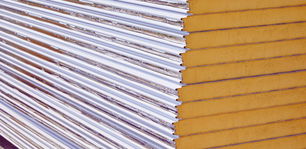
Substances that have the ability to permanently bind materials together are called binders. They are necessary to create durable connections between materials in many industries, such as: construction (e.g. cement and gypsum), painting (e.g. adhesives), printing, industry, or crafts (e.g. as soldering paste).

The choice of a proper binder depends on the type of the components which are to be bound, as well as on requirements for strength, flexibility, abrasion and other properties.  Binders in printing inks are designed to wet the pigment, improve the rheological properties of the ink, and bind the pigment to the substrate. On the other hand, those used in paints and varnishes most often act as emulsions.