PCC
RegisterLogin Page

Raw materials for cosmetics production

Foaming agents stabilizing the foam and improving its quality are basic components of the cleaning preparations. Very good foaming properties are usually identified with the high quality of the end product.

Okładka katalogu
Filters
Function
Composition
Segment
Manufacturer
of 14
POLIkol 6000 FLAKES (PEG-135) POLIkol 6000 Flakes is a product belonging to the group of polyoxyethylene glycols (PEG with an average molecular weight of 6000), INCI name: PEG-135. The commercial...
Composition
Polyethylene glycols
CAS No.
25322-68-3
POLIkol 6000 FLAKES (PEG-135)
POLIkol 800 (PEG-16) POLIkol 800 belongs to the group of polyoxyethylene glycols (PEG with an average molecular weight of 600). INCI: PEG-16. The product is a high viscosity liquid or...
Composition
Polyethylene glycols
CAS No.
25322-68-3
POLIkol 800 (PEG-16)
POLIkol 8000 FLAKES (PEG-180) POLIkol 8000 flakes is a product belonging to the group of polyoxyethylene glycols (PEG with an average molecular weight of 8000), INCI name: PEG-180. The commercial...
Composition
Polyethylene glycols
CAS No.
25322-68-3
POLIkol 8000 FLAKES (PEG-180)
POLIkol 8000 (PEG-180) POLIkol 8000 is a product belonging to the group of polyoxyethylene glycols (PEG with an average molecular weight of 8000), INCI name: PEG-180. The commercial product...
Composition
Polyethylene glycols
CAS No.
25322-68-3
POLIkol 8000 (PEG-180)
POLIkol 1000 (PEG-20) POLIkol 1000 belongs to the group of polyoxyethylenglycols (PEG with a mean molecular weight of 1000) called INCI: PEG-20. The commercial product has the form of...
Composition
Polyethylene glycols
CAS No.
25322-68-3
POLIkol 1000 (PEG-20)
POLIkol 6000 PASTYLKI POLIkol 6000 PILLS is a polyoxyethylene glycol (PEG) product with an average molecular weight of 6000, known by its INCI name PEG-135. It is commercially available...
Composition
Polyethylene glycols
CAS No.
25322-68-3
POLIkol 6000 PASTYLKI
ROKAcet HR40 (PEG-40 Hydrogenated Castor Oil) ROKAcet HR40 is a non-ionic surfactant, INCI name: PEG-40 Hydrogenated Castor Oil. This product is a surfactant based on renewable vegetable raw materials. The active...
Composition
Alkoxylated fatty acids
CAS No.
61788-85-0
ROKAcet HR40 (PEG-40 Hydrogenated Castor Oil)
ROKAcet HR40W (PEG-40 Hydrogenated Castor Oil) ROKAcet HR40W is a non-ionic surfactant called INCI: PEG-40 Hydrogenated Castor Oil. It is based on renewable vegetable raw materials. This product, unlike ROKAcet...
Composition
Alkoxylated fatty acids
CAS No.
61788-85-0
ROKAcet HR40W (PEG-40 Hydrogenated Castor Oil)
ROKAcet K7 (PEG-7 Cocoate) ROKAcet K7 is a non-ionic surfactant belonging to the group of polyoxyethylene fatty acid esters (INCI name: PEG-7 cocoate). This surfactant occurs in the form of...
Composition
Alkoxylated fatty acids
CAS No.
61791-29-5
ROKAcet K7 (PEG-7 Cocoate)
ROKAcet KO300G (PEG-7 Glyceryl Cocoate) ROKAcet KO300G is a non-ionic surfactant (INCI name: PEG-7 Glyceryl Cocoate), used mainly in cosmetic applications. The product is a derivative based on renewable...
Composition
Alkoxylated fatty acids, Glycerides
CAS No.
68201-46-7
ROKAcet KO300G (PEG-7 Glyceryl Cocoate)
ROKAcet KO300GK (PEG-7 Glyceryl Cocoate) ROKAcet KO300GK is a non-ionic surfactant (INCI name: PEG-7 Glyceryl Cocoate), used mainly in cosmetic applications. ROKAcet KO300GK is a slightly modified surfactant,...
Composition
Glycerides, Alkoxylated fatty acids
CAS No.
68201-46-7
ROKAcet KO300GK (PEG-7 Glyceryl Cocoate)
ROKAcet S24 (PEG-24 Stearate) ROKAcet S24 is a non-ionic surfactant (INCI name: PEG-24 Stearate). It belongs to the ROKAcet S series of surfactants. The product is a derivative based on a mixture...
Composition
Alkoxylated fatty acids
CAS No.
9004-99-3
ROKAcet S24 (PEG-24 Stearate)
ROKAcet S7 (PEG-7 Stearate) ROKAcet S7 is a non-ionic surfactant (INCI name: PEG-7 Stearate). It belongs to the ROKAcet S series. The product is a derivative based on a mixture of fatty acids,...
Composition
Alkoxylated fatty acids
CAS No.
9004-99-3
ROKAcet S7 (PEG-7 Stearate)
ROKAcet CC6 (PEG-6 Caprylic/Capric Glycerides) ROKAcet CC6 is a non-ionic surfactant with the INCI name:PEG-6 Caprylic/Capric Glycerides. It is a glyceride of a mixture of caprylic and capric acids, ethoxylated...
Composition
Alkoxylated fatty acids, Glycerides
CAS No.
308067-11-0
ROKAcet CC6  (PEG-6 Caprylic/Capric Glycerides)
ROKAcet CC6 MB (PEG-6 Caprylic/Capric Glycerides) ROKAcet CC6 is a non-ionic surfactant with the INCI name:PEG-6 Caprylic/Capric Glycerides. It is a glyceride of a mixture of caprylic and capric acids, ethoxylated...
Composition
Alkoxylated fatty acids, Glycerides
CAS No.
308067-11-0
ROKAcet CC6 MB  (PEG-6 Caprylic/Capric Glycerides)
ROKAcet KO300G MB (PEG-7 Glyceryl Cocoate) ROKAcet KO300G MB is a non-ionic surfactant (INCI name: PEG-7 Glyceryl Cocoate), used mainly in cosmetic applications. The product is a derivative based on renewable...
Composition
Alkoxylated fatty acids, Glycerides
CAS No.
68201-46-7
ROKAcet KO300G MB  (PEG-7 Glyceryl Cocoate)
ROKAcet R36 (PEG-36 Castor Oil) ROKAcet R36 is a non-ionic surfactant with the INCI name:PEG-36 Castor Oil. It belongs to the group called polyoxyethylene castor oil fatty acid esters. This surfactant...
Composition
Alkoxylated fatty acids
CAS No.
61791-12-6
ROKAcet R36  (PEG-36 Castor Oil)
ROKAfenol N9 (Nonylphenol ethoxylated) ROKAfenol N9 is a non-ionic surfactant which belongs to the group of ethoxylated nonylphenols (INCI name: Nonoxynol-9). It is used as a detergent, washing and cleaning...
Composition
Alkoxylated nonylphenols
CAS No.
127087-87-0
ROKAfenol N9  (Nonylphenol ethoxylated)
ROKAmer®PP450 (Polypropylene glycol) ROKAmer PP450 is a polyol (polyoxypropylene diol type) with an average molar mass of about 450 g/mol. The product is a polymer with a double-action structure, which...
Composition
Polyether polyols, Alkoxylated alcohols, Diols
CAS No.
25322-69-4
ROKAmer®PP450 (Polypropylene glycol)
ROKAmid KAD/1A (Cocamide DEA) ROKAmid KAD/1A is a non-ionic surfactant (INCI name: Cocamide DEA). The product has slightly better thickening properties compared to ROKAmid KAD. It is produced...
Composition
Alkanoloamides
CAS No.
68155-07-7
ROKAmid KAD/1A (Cocamide DEA)
81 - 100 of 268 products
Items on page: 20

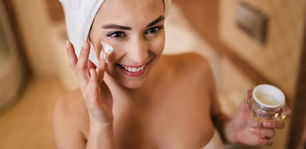
The cosmetics and personal care market, due to a direct contact of the preparations with the skin, is characterised by very high requirements laid down in a number of regulations, especially with regards to products dedicated for children.

Increasing awareness of the contemporary consumer makes it mandatory for manufacturers to consider their choices of components more carefully. It ensures the proper washing and cleaning characteristics of their products in combination with the softness and mildness for the user. To achieve this, it is vital to use high quality ingredients providing excellent cleaning and foaming properties as well as the foam stability.
A range of preparations available on the market is constantly expanded to new items. In addition to standard products such as shampoos, shower gels, bath preparations, or liquid soap, manufacturers create new ones featuring improved usability characteristics. The trend prevailing over the recent years to use cosmetics based on natural components is a great challenge when designing new formulas. Ecological aspects are increasingly important for contemporary consumer as well as the manner of production and source of the individual constituents.
Surfactants as cosmetic components

Surfactants (surface active substances) are used as elementary ingredients in cosmetics and personal care formulas and therefore the PCC Group developed a series of products under the brand name of EXOLcareline. The offered products satisfy a number of requirements typical for the cosmetic market such as biodegradability, consistency with the EcoLabel requirements, NordicEcolabeling, and Nordic Swan certification. Furthermore, the selected ones have the ECOCERT and ECOCERT COSMOS attestations.
Foaming agents in cosmetic formulas

Foaming agents stabilising the foam and improving its quality are basic components of the cleaning preparations. Very good foaming properties are usually identified with the high quality of the end product. The most popular foaming substances offered by the PCC Group are SULFOROKAnols, i.e. Sodium Laureth Sulfate (SLES), and ROSULfans, including the Sodium Lauryl Sulphate (SLS) with varying concentration of active substance. Based on the current cosmetics market trend, alternative foaming agents are being now looked for to design the SLES Free preparations. The response to the need for creating such preparations is the Ammonium Lauryl Sulphate (ALS) under the trade name of ROSULfan A. Another product in the offer of the anionic surfactants is ROKAtend GL – a mild amino acid surfactant with exceptional washing properties, which reduces the irritating effect of other components.

The portfolio of amphoteric surfactants includes betaines with the unique thickening properties and, first and foremost, good foaming characteristics. Additionally, they are perfect foam stabilizers and soothe the irritating nature of some formulas, especially SLES. The offered products contain Cocamidopropylbetaine in the concentration of 30% and 40% (ROKAmina K30, ROKAmina K40, and Rokamina K40HC) as well as Coco Betaine (ROKAmina K30B) featuring a lower CLP classification, which is particularly dedicated to cosmetic formulas of high quality.

Skin-friendly surfactants

In formulas designed to be delicate for the skin and not to cause allergic reactions (e.g. cosmetics for children), thickening substances modifying rheological properties are used. It allows to limit the addition of salt and obtain the required consistency of the final product.  PCC Group offers for this application alkanoloamides such as Cocamide DEA (ROKAmid KAD) and Oleamide DEA (ROKAmid RAD), sorbitan esters and their derivatives (ROKwin and ROKwinol series), ethoxylated fatty alcohols with a low content of EO as well as betaines.

Additives improving the quality of cosmetics

The PCC Group product portfolio contains a wide range of emulsifiers, which are necessary for cosmetic preparations such as ethoxylated fatty acids of the varied chain length including Ceteareth–20 (ROKAnol T20) and Ceteareth–25 (ROKAnol T25). The effective emulsifying properties are also ensured by the ethoxylated fatty acids offered in the ROKAcet series. An example of such products is PEG–40 Hydrogenated Castor Oil, i.e. ROKAcet HR40, which emulsifies fragrances, essential oils and other oily substances. The offer also contains polyethylene glycols (PEG) under the brand name of POLIkol generally applied in cosmetics. The functions they perform depend on the length of the polyethene chain and therefore may act as emulsifiers, wetting and dispersing agents as well as solubilizers, emollients or humectants. Improvement of wetting properties in cosmetic products may also be achieved through applying alkoxylated fatty alcohols with reduced foaming abilities.

To satisfy the requirements of the customers looking for universal and economic components of a cosmetic formula, a surfactants blend was created under the trade name EXOcare PC60. This product performs special foaming, thickening and cleaning properties. The careful selection of ingredients makes it an ideal ingredient of shampoos, bath preparation, or shower gels.

Raw materials in the cosmetic industry

The PCC group portfolio also includes basic raw materials. Sodium hydroxide (soda lye), caustic soda flakes and hydrochloric acid are generally applied in the soap production and other ingredients of cosmetics and personal care market. The membrane installation for the sodium hydroxide production is one of the youngest and at the same time the most modern installations of this kind in Europe. The hydrochloric acid synthesis installation allows to manufacture an exceptionally pure product of unique on the European scale concentrations.

Ready-to-use products

Our portfolio, however, does not only contain raw materials and components but also the ready-made products. The PCC Group offers its B2B clients the Roko Hygiene line, i.e. a series of liquid soaps and a foaming soap for comprehensive applications, which may also be used in different types of dosing devices. The products have been tested dermatologically and undergo regular microbiological tests. The preparations are gentle for the skin and do not cause any irritation due to the skin-neutral pH. Roko Hygiene are both economical solutions and formulas designed to satisfy even the most demanding customers. The entire product line is manufactured using high-quality surfactants and additives such as glycerine, aloe extract, lanoline, collagen with elastin and natural lipids.

Green offer for the cosmetics industry from the PCC Group

The chemical industry is constantly developing and introducing modern technologies that take into account different aspects of sustainable development. The PCC Group also extends its range with a series of ecological products dedicated to the cosmetics industry. This is a response to the growing popularity of products based on natural raw materials.

Among these chemicals we can find the green product brand Greenline®, which offers basic raw materials for the cosmetics industry, such as hydrochloric acid and caustic soda lye.

More products from the green range of the PCC Group, dedicated to the cosmetics industry, are available in the Product Portal catalogue. Their ecological properties are marked with special pictograms, which you can read more about on the Greenline® website.