PCC
RegisterLogin Page

Packaging

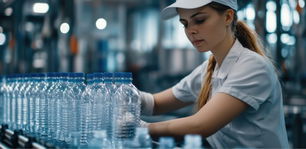
Packaging is a substantial element of most products we buy. It secures the goods during transport and storage, as well as protects them against spoilage and possible mechanical damage. In the case of consumer goods, the attractive packaging encourages a potential consumer to buy the product, which is the key to success.

Filters
Function
Composition
Segment
Manufacturer
of 4
Maxomer® LUBE-EBO Maxomer® Lube- EBO is used as a slip agents in film manufacturing, and anti-block additive and raises melt flow in Polystyrene. Maxomer® Lube-EBO has US-Food and...
Composition
Alkanoloamides
CAS No.
110-31-6
Maxomer® LUBE-EBO
Maxomer® LUBE-FES Maxomer® Lube FES performs as a photo degradation agents in Polyolefins and has US-Food and Drug Administration (US-FDA) approval at 21 C.F.R.§175.300 .
Composition
Fatty acids esters
Maxomer® LUBE-FES
Maxsperse® W-3000 Maxsperse® W-3000 is a polyolefin wax developed for use in a pigment dispersant for use in manufacturing color concentrate masterbatches. Maxsperse® W-3000 is listed...
Composition
Alkoxylated alcohols
Maxsperse® W-3000
Maxsperse® W-85 The recommended use for Maxsperse®W-85 is 1-3% when used to disperse dyes or pigments in polyethylene, polypropylene or other plastics. This product is listed under...
Composition
Sulfosuccinates
CAS No.
577-11-7
Maxsperse® W-85
POLIkol 300 (PEG-6) POLIkol 300 belongs to the group of polyoxyethylene glycols (PEG with an average molecular weight of 300). INCI: PEG-6. The product is a colourless liquid well soluble...
Composition
Polyethylene glycols
CAS No.
25322-68-3
POLIkol 300 (PEG-6)
POLIkol 400 (PEG-8) POLIkol 400 belongs to the group of polyoxyethylene glycols (PEG with an average molecular weight of 400). INCI: PEG-8. The product is a colourless liquid, well...
Composition
Polyethylene glycols
CAS No.
25322-68-3
POLIkol 400 (PEG-8)
POLIkol 600 (PEG-12) POLIkol 600 belongs to the group of polyoxyethylene glycols (PEG with an average molecular weight of 600). INCI: PEG-12. The product is available as a high viscosity...
Composition
Polyethylene glycols
CAS No.
25322-68-3
POLIkol 600 (PEG-12)
POLIkol 800 (PEG-16) POLIkol 800 belongs to the group of polyoxyethylene glycols (PEG with an average molecular weight of 600). INCI: PEG-16. The product is a high viscosity liquid or...
Composition
Polyethylene glycols
CAS No.
25322-68-3
POLIkol 800 (PEG-16)
ROKAcet R36 (PEG-36 Castor Oil) ROKAcet R36 is a non-ionic surfactant with the INCI name:PEG-36 Castor Oil. It belongs to the group called polyoxyethylene castor oil fatty acid esters. This surfactant...
Composition
Alkoxylated fatty acids
CAS No.
61791-12-6
ROKAcet R36  (PEG-36 Castor Oil)
ROKAmer®2000 (EO/PO block copolymer) ROKAmer 2000 belongs to the group of non-ionic block copolymers of ethylene oxide and propylene oxide (ROKAmers). The product is a clear, colourless liquid with...
Composition
EO/PO block copolymers
CAS No.
9003-11-6
ROKAmer®2000 (EO/PO block copolymer)
ROKAmer®2330 (EO/PO block copolymer) ROKAmer 2330 belongs to the group of nonionic block copolymers of ethylene oxide and propylene oxide (ROKAmers). ROKAmer 2330 is one of the low-foaming and anti-foaming...
Composition
EO/PO block copolymers
CAS No.
9003-11-6
ROKAmer®2330 (EO/PO block copolymer)
ROKAmer®2950 (EO/PO block copolymer) ROKAmer 2950 belongs to the group of nonionic block copolymers of ethylene oxide and propylene oxide (ROKAmers). ROKAmer 2950 is one of the products with low-foaming...
Composition
EO/PO block copolymers
CAS No.
9003-11-6
ROKAmer®2950 (EO/PO block copolymer)
ROKAnol® IT10 (Isotrideceth-10) ROKAnol® IT10 is a non-ionic surfactant of the group of ethoxylated fatty alcohols (INCI name: Isotrideceth-10). The product belongs to a large group of surfactants...
Composition
Alkoxylated alcohols, Ethoxylated alcohols
CAS No.
69011-36-5
ROKAnol® IT10 (Isotrideceth-10)
ROKAnol®IT12 (Isotrideceth-12) ROKAnol IT12 belongs to non-ionic surfactants from the group of ethoxylated fatty alcohols (INCI name: Isotrideceth-12). The product belongs to ROKAnol IT series,...
Composition
Alkoxylated alcohols, Ethoxylated alcohols
CAS No.
69011-36-5
ROKAnol®IT12  (Isotrideceth-12)
ROKAnol® IT12W (Isotrideceth-12) ROKAnol IT12W is a non-ionic surfactant of the group of ethoxylated fatty alcohols (INCI name: Isotrideceth-12). The product belongs to the ROKAnol IT series, a...
Composition
Alkoxylated alcohols, Ethoxylated alcohols
CAS No.
69011-36-5
ROKAnol® IT12W (Isotrideceth-12)
ROKAnol®IT13 (C13 alcohol, ethoxylated) ROKAnol® IT13 is a non-ionic surfactant of the group of ethoxylated fatty alcohols (INCI: Isotrideceth-13). The product belongs to the ROKAnol® IT series which is...
Composition
Alkoxylated alcohols, Ethoxylated alcohols
CAS No.
69011-36-5
ROKAnol®IT13  (C13 alcohol, ethoxylated)
ROKAnol® IT8 (Isotrideceth-8) ROKAnol® IT8 is a non-ionic surfactant from the group of ethoxylated fatty alcohols, INCI name: Isotrideceth-8. It belongs to the group of surface active products...
Composition
Alkoxylated alcohols, Ethoxylated alcohols
CAS No.
69011-36-5
ROKAnol® IT8 (Isotrideceth-8)
ROKAnol® IT9 (Isotrideceth-9) ROKAnol® IT9 is a non-ionic surfactant of the group of ethoxylated fatty alcohols (INCI name: Isotrideceth-9). The product is part of a large group of surfactants...
Composition
Alkoxylated alcohols, Ethoxylated alcohols
CAS No.
69011-36-5
ROKAnol® IT9 (Isotrideceth-9)
ROKAnol® IT9W (Isotrideceth-9) ROKAnol® IT9W is a non-ionic surfactant of the group of ethoxylated fatty alcohols (INCI name: Isotrideceth-9). The product belongs to a large group of surfactants...
Composition
Alkoxylated alcohols, Ethoxylated alcohols
CAS No.
69011-36-5
ROKAnol® IT9W (Isotrideceth-9)
ROKAnol®LP2023 (Polyoxyalkylene glycol ether) ROKAnol® LP2023 belongs to the group of non-ionic surfactants of the type of alkoxylated fatty alcohols. The product is a high-molecular polymer based on alcohol...
Composition
Alkoxylated alcohols
CAS No.
68002-96-0
ROKAnol®LP2023  (Polyoxyalkylene glycol ether)
41 - 60 of 68 products
Items on page: 20

On the basis of WPO (World Packaging Organization) reports, annual packaging costs for goods around the world exceed the amount of several billion dollars. The general packaging market is an industry worth approximately $ 700 billion and covers a wide variety of packaging materials and raw materials for their production. It is estimated that by 2020 the total value of the packaging market will reach up to 900 billion dollars.

The purposes of packaging

Packaging is an integral part of most products and can perform various functions:

  • Physical protection – one of the most important functions of packaging. Packaged items may require protection against mechanical shocks, vibrations, compression, temperature, electrical discharge, fogging, etc. The PCC Group offers Chemstat AF-687, which can act as an anti-fogging additive on polystyrene coatings used in the production of e.g. trays. Chemstat AF-322, in addition to its anti-fog properties, can also be used as an antistatic agent in the production of film products. It is crucial that the packaging provides adequate protection against various chemical agents, such as oxygen or water vapor. For this purpose, various types of desiccants are used. High-quality packaging that can be re-used and processed multiple times is a huge benefit for the environment. The latest UN data shows that in less-developed countries over 30% of food produced is wasted due to the use of packaging of substandard quality.
  • The containment and logistics – consists of preparing assortment sets in particular parts of the delivery, which facilitates their transport and storage. It also involves optimizing the load capacity of various means of transport.
  • Information transmission – the packaging can contain information about the use of a product, ways of transporting it, recycling and utilizing the packaging or product contained therein.
  • Marketing – involves using the packaging and label to encourage the potential customer to purchase a product. Package graphic design (or e.g., an interesting colour selection), physical design (e.g. unique shape) can be used to catch the eye of customers. The packaging creates a specific company image and distinguishes the product from others.

Raw materials used for the production of packaging

The most general breakdown of packaging materials is the type of raw materials needed to produce them.

Paper and cardboard packaging

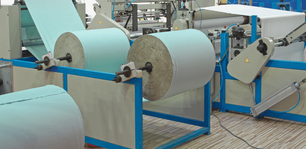
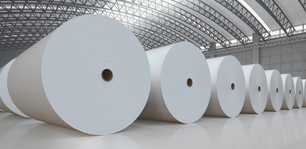
Paper is used to produce a wide range of packaging products, such as labels, bags, etc. It can also be used for direct wrapping of goods as so-called brown wrapping paper. Cardboard is a much thicker and durable material than standard paper. The basic raw materials for the production of paper packaging are fibers originating from coniferous and deciduous trees. However, fibers of other plants such as flax and cotton may also be used for this purpose. As the problem of excessive foaming of the paper pulp appears in the paper production process, it is often necessary to use anti-foam preparations. The PCC Group offers products such as ROKAnol LP2023 and ROKAnol RZ4P11, which can be used as anti-foaming agents for the production of packaging paper.

Plastic packaging

Packaging can be made of one material or a combination of two or more materials or plastic with other materials (e.g. with paper) – so-called comprehensive packaging. Packages made of plastics are characterized by very good physical and chemical properties, which can additionally be modified by the use of various chemical additives.

The PCC Group offers a range of products that can act as polymer modifiers. The POLIkol series is a group of additives used as dispersants, emulsifiers as well as wetting agents. They have a positive opinion from the FDA (Food and Drug Administration), which allows their use in the form of indirect food additives. Polyoxyethylene glycols, also called PEGs, are characterized by very high solubility in water, low viscosity as well as electrostatic properties. The ROKAmer series products can also be used as dispersing and emulsifying additives for the production of modified polymers. The ROKAmer products are approved for use as an indirect food additives on the basis of the lists published by the FDA.
Another group of additives is ROKAnols (LP2023, LP2529, LP27, RZ4P11). These are alkoxylated fatty alcohols used among others as low-foaming agents in the production process of food packaging or materials intended for contact with food. These compounds do not contain silicone, and due to their structure, they have a low freezing point and provide ease of use in various processes. Also, lauryl sulfates can be used as indirect food additives and they are also on the list of the American FDA (Food and Drug Administration). It should be remembered that ROSULfan A (Ammonium Lauryl Sulfate) and ROSULfan L (Sodium Lauryl Sulfate) must be used in accordance with the definitions provided by the organization, not exceeding the maximum permitted dose.

In practice, several basic materials are used for the production of packaging:

  • HDPE – high-density polyethylene. Depending on the processing method, it can be used to produce a wide range of packaging. Processing by blown extrusion allows containers for milk and chemical products to be obtained. By injection, thin-walled containers for dairy products and buckets are also acquired. Injection blow molding is used to produce bottles for packaging cosmetics, medicines, deodorants and many others. The last method of processing high-density polyethylene is film blowing, which is used for obtaining various types of flat and sleeve films for food products. Polyethylene glycol is a popular substance used in PE production processes. Chemstat P-400 can act as an antistatic and lubricant, as well as an indirect additive for the production of polyethylene packaging,
  • LDPE – low-density polyethylene. It is a lightweight, flexible material and finds application in the production of bags for food packaging, clothing and shrink films,
  • LLDPE – linear low-density polyethylene. This material offers combined properties of HDPE and LDPE. It is used for the production of bags for food products, as well as for the production of an adhesive stretch film,
  • PP – polypropylene. It has properties similar to polyethylene, but it is characterized by much greater transparency. It is used in packaging of clothes, medical supplies and also moisture protection packaging.
  • PVC – polyvinyl chloride. It is mainly used for the production of secondary packaging due to the fact that it contains substances that have an influence on the human body. PVC has huge industrial applications. It can be used for the production of film for packaging butter, meat, fish, poultry, making bags (e.g. for blood), and is also used for dairy products and cosmetics. The PCC Group offers Chemstat G-118/9501, which can act as a component of the formulation for direct contact with PVC polymer granules. It is a glycerol monoester, which is obtained from fully hydrogenated vegetable oil. It can act as an antistatic additive in the production of polyvinyl chloride and polyolefins,
  • PET – polyethylene terephthalate. PET is mainly used for the production of food containers and bottles by the injection blow molding method. It is also used for the production of heat-resistant trays and pouches for sterilized medical items,
  • PS – polystyrene. As such, it is a very fragile and rigid material that can be used to produce, for example, thin-walled cups. PS can be modified to HIPS (high impact polystyrene) as well as EPS (so-called foamed PS). Thermoformed containers for packaging dairy products are produced from HIPS. Foamed polystyrene is used for the production of meat trays, packing eggs and securing delicate goods. The main ingredient of lubrication formulations in the production of polystyrene is glycerol tristearate (Chemstat® G-118 / GTS),
  • PC – polycarbonate. PC is used for the production of reusable bottles. In the form of a film, it is used to pack bread, meat, cheese and confectionery.

The PCC Group also offers products used in the production of polyurethane fillings, which are increasingly used in the packaging sector. These products include, for example, Ekoprodur 1814W and Ekoprodur OP2 / S.

Wooden packaging

The main raw materials for the production of wooden packaging are plywood, fibreboards, wood from deciduous and coniferous trees in various forms (e.g. veneer) and wicker from shrub trees. Veneer boxes are durable, cheap and flexible. They are usually used to pack fruit, eggs and fish. Solid leak-proof cases are perfectly suited for transport, but also for storing materials. Another example of transport and auxiliary packaging made of wood are the popular EURO pallets. Thanks to them, it is possible to stably transfer large amounts of materials. They also play a protective role and facilitate storage after the transport. Apart from numerous advantages, such as low thermal conductivity, low environmental harm and effective protection of goods against mechanical damage, wooden packaging also has weaknesses. It is usually susceptible to moisture, has high flammability and can also absorb unpleasant odours.

Aluminum packaging

Aluminum, thanks to compatibility with printing technologies, gives the possibility to create packaging with various inscriptions and graphics, ensuring the identity of the brand. Aluminum packaging is also very light and provides a good barrier to light, gases and moisture, thus extending the life of products. Aluminum can be used as packaging in the medical, food, cosmetics and beverage industries, e.g. for the production of cans and containers.

Glass packaging

Glass is made of many various raw materials, such as sand, soda ash, limestone and glass cullet. The production process of such packaging consists of mixing and heating raw materials and then forming the desired shape. The biggest advantage of glass packaging is that it is  100% recyclable and can be recycled without losing quality or cleanliness. In addition, the glass is non-porous and impermeable, so it does not affect the taste of food and beverages stored within.