PCC
RegisterLogin Page

Raw materials for production of body cleansing cosmetics

Modern body wash products provide effective cleansing while protecting and caring for the skin. Thanks to high-quality raw materials, manufacturers can create safe and functional formulations.
Okładka katalogu
Filters
Function
Composition
Segment
Manufacturer
of 5
ROKAmid RAD (Rapamide DEA) ROKAmid RAD is a non-ionic surfactant of the alkanolamide group (INCI name: Rapamide DEA). The product is a clear or slightly turbid liquid with a light yellow to...
Composition
Alkanoloamides
CAS No.
68603-38-3
ROKAmid RAD (Rapamide DEA)
ROKAmid KAD/2A (Cocamide DEA) ROKAmid KAD/2A is a non-ionic surfactant with the INCI name ‘Cocamide DEA’. It is based on natural vegetable oils. It has a form of a clear or slightly turbid light-yellow...
Composition
Alkanoloamides
CAS No.
68155-07-7
ROKAmid KAD/2A  (Cocamide DEA)
ROKAmid KAD/2A MB (Cocamide DEA) ROKAmid KAD/2A MB is a non-ionic surfactant with the INCI name ‘Cocamide DEA’. It is based on natural vegetable oils. It has a form of a clear or slightly turbid...
Composition
Alkanoloamides
CAS No.
68155-07-7
ROKAmid KAD/2A MB (Cocamide DEA)
ROKAmid KAD MB (Cocamide DEA) ROKAmid KAD MB is a nonionic surfactant called INCI Cocamide DEA. It is produced on the basis of natural vegetable oils. It has the form of a clear or slightly turbid...
Composition
Alkanoloamides
CAS No.
68155-07-7
ROKAmid KAD MB (Cocamide DEA)
ROKAmid MRZ4 (PEG-4 Rapeseedamide) ROKAmid MRZ4 is a non-ionic surfactant, part of the group of ethoxylated alkanolamides, under the INCI name PEG-4 Rapeseedamide. The product has the form of a liquid...
Composition
Alkoxylated amides
CAS No.
85536-23-8
ROKAmid MRZ4 (PEG-4 Rapeseedamide)
ROKAmina®K30 (Cocamidopropyl Betaine) ROKAmina K30 belongs to the amphoteric surfactants from the betaine group. The commercial product is an aqueous solution with an active content of about 30% and...
Composition
Betaines
CAS No.
97862-59-4
ROKAmina®K30 (Cocamidopropyl Betaine)
ROKAmina®K40 (Cocamidopropyl Betaine) ROKAmina K40 belongs to the amphoteric surfactants of the betaine group. The commercial product is an aqueous solution with an active substance content of about...
Composition
Betaines
CAS No.
97862-59-4
ROKAmina®K40 (Cocamidopropyl Betaine)
ROKAmina®K40HC (Cocamidopropyl Betaine) ROKAmina K40HC is a very high purity amphoteric surfactant from the betaine group. The commercial product is an aqueous solution with an active substance content...
Composition
Betaines
CAS No.
61789-40-0
ROKAmina®K40HC (Cocamidopropyl Betaine)
ROKAmina®K45HC (Cocamidopropyl Betaine) ROKAmina K45HC is a very high purity amphoteric surfactant from the betaine group. Its INCI name is: Cocamidopropyl Betaine. At room temperature it is a pale yellow...
Composition
Betaines
CAS No.
97862-59-4
ROKAmina®K45HC (Cocamidopropyl Betaine)
ROKAmina®K30 MB (Cocamidopropyl Betaine) ROKAmina K30 MB belongs to the amphoteric surfactants from the betaine group. The commercial product is an aqueous solution with an active content of about 30% and...
Composition
Betaines
CAS No.
97862-59-4
ROKAmina®K30 MB (Cocamidopropyl Betaine)
ROKAmina®K30B MB (Coco-betaine) ROKAmina K30B MB is a very high purity product from the group betaine, classified as amphoteric surfactants. The commercial product is a practically colourless aqueous...
Composition
Betaines
CAS No.
66455-29-6
ROKAmina®K30B MB (Coco-betaine)
ROKAmina®K30K (Cocamidopropyl Betaine) ROKAmina K30K is classified as an amphoteric surfactants from the betaines group. The commercial product is a light yellow aqueous solution containing 29 to 32%...
Composition
Betaines
CAS No.
97862-59-4
ROKAmina®K30K (Cocamidopropyl Betaine)
ROKAmina®K40HC MB (Cocamidopropyl Betaine) ROKAmina K40HC MB is a very high purity amphoteric surfactant from the betaine group. The commercial product is an aqueous solution with an active substance content...
Composition
Betaines
CAS No.
97862-59-4
ROKAmina®K40HC MB (Cocamidopropyl Betaine)
ROKAmina®L30B (Lauryl betaine) ROKAmina L30B is a very high-purity product from the betaine group, classified as an amphoteric surfactant. The commercial product is a virtually colourless aqueous...
Composition
Betaines
CAS No.
66455-29-6
ROKAmina®L30B (Lauryl betaine)
ROKAmina®L30B MB (Lauryl betaine) ROKAmina L30B MB is a very high-purity product from the betaine group, classified as an amphoteric surfactant. The raw material included in ROKAmina L30B MB is a...
Composition
Betaines
CAS No.
66455-29-6
ROKAmina®L30B MB (Lauryl betaine)
ROKAnol® L3A (Laureth-3) ROKAnol® L3A is a non-ionic surfactant belonging to the group of ethoxylated fatty alcohols (INCI name: Laureth-3). The product co-creates a group of surfactants...
Composition
Alkoxylated alcohols, Ethoxylated alcohols
CAS No.
68551-12-2
ROKAnol® L3A (Laureth-3)
ROKAnol® L4 (Laureth-4) ROKAnol® L4 is a non-ionic surfactant belonging to the group of ethoxylated fatty alcohols called INCI: Laureth-4. The product is part of a group of surfactants...
Composition
Alkoxylated alcohols, Ethoxylated alcohols
CAS No.
68439-50-9
ROKAnol® L4 (Laureth-4)
ROKAnol® LK2 (Laureth-2) ROKAnol® LK2 is a non-ionic surfactant belonging to the group of ethoxylated fatty alcohols (INCI name: Laureth-2.) The product is part of a group of surfactants...
Composition
Alkoxylated alcohols, Ethoxylated alcohols
CAS No.
68439-50-9
ROKAnol® LK2 (Laureth-2)
ROKAnol® LK2A (Laureth-2) ROKAnol® LK2A is a non-ionic surfactant belonging to the group of ethoxylated fatty alcohols (INCI name: Laureth-2.) The product co-creates a group of surfactants...
Composition
Alkoxylated alcohols, Ethoxylated alcohols
CAS No.
68439-50-9
ROKAnol® LK2A (Laureth-2)
ROKAnol® LK3 (Laureth-3) ROKAnol® LK3 is a non-ionic surfactant belonging to the group of ethoxylated fatty alcohols called INCI: Laureth-3. The product is part of a group of surfactants...
Composition
Alkoxylated alcohols, Ethoxylated alcohols
CAS No.
68439-50-9
ROKAnol® LK3 (Laureth-3)
21 - 40 of 83 products
Items on page: 20

Body cleansing and care

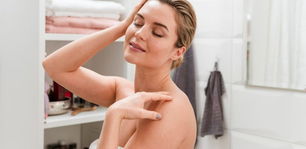
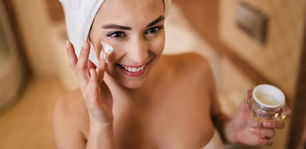
The history of body care products goes back thousands of years. Nowadays, products such as shower gels have become a staple in households around the world. They are available in various formulations tailored to different skin types and preferences. The raw materials used in the production of body wash cosmetics are carefully selected to provide a rich, creamy lather that effectively cleanses the skin without stripping away its natural protective layer.
Advantages of using body wash cosmetics:

  • Gentleness: gentler on the skin than traditional soap,
  • Moisturising: they contain ingredients that protect against dryness,
  • Exfoliation: they can help remove dead skin cells,
  • Fragrance: a wide range of fragrances,
  • Convenience: easy to dispense and use every day.

Chemical raw materials for the production of body wash cosmetics – a wide range from the PCC Group

In the production of body wash cosmetics, a number of aspects that determine the effectiveness of the product must be taken into account. The aim is to create a formulation that effectively cleanses the skin, provides a pleasant sensory experience and responds to different skin types and needs.

The effectiveness of body wash cosmetics is determined by:

  • Emulsifiers

Emulsifiers help to combine oil- and water-based ingredients that do not usually mix well. By creating stable emulsions, emulsifiers ensure the effectiveness, consistency and appearance of a wide range of formulations. Surfactants work well as emulsifiers because their amphiphilic structure reduces the surface tension between phases of different polarity.

The PCC Group’s portfolio includes a wide range of raw materials that function as emulsifiers. These are primarily non-ionic surfactants (e.g. ROKwinol 20, EXOalc 1618) and anionic surfactants (e.g. SULFOROKAnol L170/1). Surfactants from the betaine group (e.g. ROKAmina K40 MB) and polyoxyethylene glycols (e.g. POLIkol 6000) are also used as emulsifiers.

  • Foaming agents

The use of raw materials with foaming properties in the production of body wash cosmetics is of key importance. These are most often surfactants that act on the surface of liquids, helping to form and maintain foam or improving its stability. Their task is to effectively remove dirt and improve user comfort.

Foaming agents in the PCC Group are mainly products from the SULFOROKAnol series (e.g. SULFOROKAnol L370) and ROKAmina (e.g. ROKAmina L30B). They are effective in generating high and stable foams.

  • Rheology modifiers

Raw materials used in body care cosmetics as thickeners are professionally referred to as rheology modifiers. When added to a formulation, they change its consistency, affecting its application properties. This allows products such as body lotions and shampoos to retain their texture and stability.

ROKANols work well as rheology modifiers. They improve the consistency of creams, lotions, hair conditioners, etc., increasing the final viscosity of the formulation.

  • Emollients

Emollients are used in, among others, shower gels – they soften and elasticise the skin. They cover it with a protective layer that retains moisture. They also help prevent the formation of inflammatory foci and exacerbations of these conditions.

The non-ionic surfactants available from the PCC Group (e.g. ROKAcet HR40) work very well as emollients, reducing the drying effect of anionic surfactants and leaving the skin surface moisturised and covered with a protective layer.

The PCC Group’s range also includes finished products. PCC PROFESSIONAL CREAM SOAP Milk and Honey is a professional liquid soap designed for hand washing and care. It owes its high quality and effectiveness to specially selected ingredients, including surfactants and natural care additives.

High-quality specialist detergents

The detergent industry, and especially body care cosmetics, are subject to high requirements. The foundation for success is high-quality raw materials from proven sources, and the PCC Group is a trusted supplier of such solutions.

The PCC Group’s offer includes, among others, products with the prestigious international ECOCERT quality mark, which is the most important and recognised certificate of quality and environmental safety in Europe.

The soaps from the PCC Professional series are also worth noting. They are subject to the Safety Assessment of Cosmetic Products and restrictive microbiological, dermatological and application analyses. Furthermore, in accordance with EU requirements, the products have been registered in the European Cosmetic Product Notification Platform (CPNP) before being placed on the market.