PCC
RegisterLogin Page

Antioxidants

Antioxidants are chemical compounds that delay or inhibit the oxidation processes of other molecules.

Filters
Function
Composition
Segment
Manufacturer
MSP v.1 Styrenated phenol MSP v.1 (Styrenated phenol) is a substance made up of a mixture of products of phenol and styrene reaction: primarily monostyrenated, distyrenated and tristyrenated...
Composition
Phenols, Styrenized phenols
CAS No.
61788-44-1
MSP v.1  Styrenated phenol
MSP v.2 Styrenated phenol MSP v.2 (Styrenated phenol) is a substance made up of a mixture of products of phenol and styrene reaction: primarily monostyrenated, distyrenated and tristyrenated...
Composition
Phenols, Styrenized phenols
CAS No.
61788-44-1
MSP v.2  Styrenated phenol
Rostabil DDPP Rostabil DDPP is an alkyl-aryl phosphite in the form of a clear, homogeneous liquid with a characteristic, delicate fragrance. It is used as a process stabilizer...
Composition
Phosphite
Rostabil DDPP
Rostabil DPDP Rostabil DPDP is a secondary antioxidant in the form of a homogeneous liquid with a characteristic, delicate fragrance. It effectively prevents degradation of polymeric...
Composition
Phosphite
CAS No.
26544-23-0
Rostabil DPDP
Rostabil TNF Rostabil TNF is a specialist additive for plastics used as a process stabilizer. It prevents degradation of polymer materials during processing, strengthens the...
Composition
Phosphite
CAS No.
26523-78-4
Rostabil TNF
Rostabil TTDP Rostabil TTDP is a specialist additive for plastics used as a process stabilizer. It is available in the form of a homogeneous liquid with a characteristic, delicate...
Composition
Phosphite
CAS No.
77745-66-5
Rostabil TTDP
Rostabil TDP Rostabil TDP is a trialkyl phosphite used as a specialist additive for plastics. Occurring in the form of a homogeneous and clear liquid, plays the role of a thermal...
Composition
Phosphite
CAS No.
25448-25-3
Rostabil TDP
Rostabil TDP-V Rostabil TDP-V is a high-end process stabiliser, distinguished by its mild, non-irritating odour. It belongs to a new generation of phenol-free compounds and is...
Composition
Phosphite
CAS No.
25448-25-3
Rostabil TDP-V
Rostabil TTDP-V Rostabil TTDP-V is a highly specialised process stabiliser with a gentle and non-irritating odour. The product belongs to the new generation of phenol-free compounds....
Composition
Phosphite
CAS No.
77745-66-5
Rostabil TTDP-V
1 - 9 of 9 products
Items on page: 20

Antioxidants are chemical compounds that delay or inhibit the oxidation processes of other molecules.

Operation of antioxidants is based on mechanisms called primary and secondary effects.  The primary effect involves  neutralization of free radicals formed in oxidation reactions. Free radicals are extremely chemically active – in the presence of oxygen, ozone or in specific temperatures they may initiate a chain reaction leading to the breakage of molecular chains. As a result of degradation of the structure, the product changes its physico-chemical properties, losing operational properties.The addition of antioxidant  inactivates free radicals as a result of their reaction with active groups of the antioxidant (e.g. multiple bonds).  This reaction delays the ageing process of substances, which results in their longer service life. The secondary effect involves delaying of the oxidation reaction by oxygen deactivation, radiation absorption or complexion of metal ions that catalyses chain reactions.  The use of antioxidants ensures thermal and process protection also during the processing of different substances, e.g. plastics.

Antioxidants should offer a number of properties, including: high efficiency at low concentrations, good  solubility in a medium;  resistance to other chemical substances and physical agents, as well as stability at high temperatures. At the same time, they should not affect the characteristics of the finished products such as consistency, colour or scent.

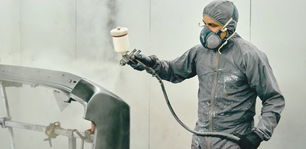
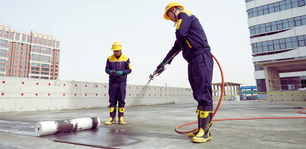
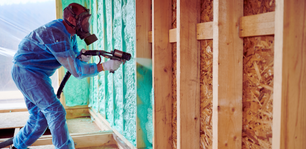
Antioxidants are widely used in various industrial applications.  They are added to gasoline, lubricants and plastic products. They are also used in automotive sector, electronics, furniture and in the building industry for producing roofing, construction materials or PVC pipes. In textile industry, antioxidants are used as additives during the production of artificial leather.