PCC
RegisterLogin Page

Plasticizers

Plasticisers are substances used as additives in plastics that reduce intermolecular effects. Their action makes the finished product more flexible.

Filters
Function
Composition
Segment
Manufacturer
of 3
POLIkol 1500 FLAKES (PEG-32) POLIkol 1500 Flakes is a product belonging to the polyoxyethylene-glycol group - PEG with an average molecular weight of 1500 (INCI name: PEG-32). The commercial...
Composition
Polyethylene glycols
CAS No.
25322-68-3
POLIkol 1500 FLAKES (PEG-32)
POLIkol 4500 FLAKES (PEG-100) POLIkol 4500 Flakes is a product belonging to the group of polyoxyethylene glycols (PEG with an average molecular weight of 4500), INCI name: PEG-100. The commercial...
Composition
Polyethylene glycols
CAS No.
25322-68-3
POLIkol 4500 FLAKES (PEG-100)
Roflex 50 Roflex 50 is a specialist additive for plastics, combining the function of plasticizer and flame retardant. It is a phthalate product based on triaryl phosphate...
Composition
Phosphate
CAS No.
68937-41-7
Roflex 50
Betoplast K Betoplast K is an air-entraining and plasticizing admixture intended for concretes and cement mortars. The product is an aqueous solution of anionic and non-ionic...
Composition
Mixtures
Betoplast K
MPEG 1000 (Methoxy polyethylene glycol) MPEG 1000 is a high molecular weight product that belongs to methoxy polyoxyethylene glycols. The product is intended mainly for the construction industry. The average...
Composition
Methoxy polyethylene glycols
CAS No.
9004-74-4
MPEG 1000  (Methoxy polyethylene glycol)
MPEG 750 (Methoxy polyethylene glycol) MPEG 750 is a high molecular weight product that belongs to methoxy polyoxyethylene glycols. The product is intended mainly for the construction industry. The average...
Composition
Methoxy polyethylene glycols
CAS No.
9004-74-4
MPEG 750  (Methoxy polyethylene glycol)
POLIkol 1500 (PEG-32) POLIkol 1500 is a product belonging to the polyoxyethylene-glycol group - PEG with an average molecular weight of 1500 (INCI name: PEG-32). The commercial product...
Composition
Polyethylene glycols
CAS No.
25322-68-3
POLIkol 1500 (PEG-32)
POLIkol 2000 FLAKES (PEG-45) POLIkol 2000 Flakes is a product that belongs to polyoxyethylene glycols (PEG with an average molecular weight of 2000), INCI name: PEG-45. The commercial product...
Composition
Polyethylene glycols
CAS No.
25322-68-3
POLIkol 2000 FLAKES (PEG-45)
POLIkol 2000 (PEG-45) POLIkol 2000 is a product belonging to the group of polyoxyethylene glycols (PEG with an average molecular weight of 2000), INCI name: PEG-45. The commercial product...
Composition
Polyethylene glycols
CAS No.
25322-68-3
POLIkol 2000 (PEG-45)
POLIkol 4500 (PEG-100) POLIkol 4500 is a product belonging to the group of polyoxyethylene glycols (PEG with an average molecular weight of 4500), INCI name: PEG-100. The commercial product...
Composition
Polyethylene glycols
CAS No.
25322-68-3
POLIkol 4500 (PEG-100)
POLIkol 6000 (PEG-135) POLIkol 6000 is a product belonging to the group of polyoxyethylene glycols (PEG with an average molecular weight of 6000), INCI name: PEG-135. The commercial product...
Composition
Polyethylene glycols
CAS No.
25322-68-3
POLIkol 6000 (PEG-135)
POLIkol 6000 FLAKES (PEG-135) POLIkol 6000 Flakes is a product belonging to the group of polyoxyethylene glycols (PEG with an average molecular weight of 6000), INCI name: PEG-135. The commercial...
Composition
Polyethylene glycols
CAS No.
25322-68-3
POLIkol 6000 FLAKES (PEG-135)
POLIkol 8000 FLAKES (PEG-180) POLIkol 8000 flakes is a product belonging to the group of polyoxyethylene glycols (PEG with an average molecular weight of 8000), INCI name: PEG-180. The commercial...
Composition
Polyethylene glycols
CAS No.
25322-68-3
POLIkol 8000 FLAKES (PEG-180)
POLIkol 8000 (PEG-180) POLIkol 8000 is a product belonging to the group of polyoxyethylene glycols (PEG with an average molecular weight of 8000), INCI name: PEG-180. The commercial product...
Composition
Polyethylene glycols
CAS No.
25322-68-3
POLIkol 8000 (PEG-180)
POLIkol 6000 PASTYLKI POLIkol 6000 PILLS is a polyoxyethylene glycol (PEG) product with an average molecular weight of 6000, known by its INCI name PEG-135. It is commercially available...
Composition
Polyethylene glycols
CAS No.
25322-68-3
POLIkol 6000 PASTYLKI
Roflex 65 Roflex 65 is a flame retardant plasticizer used in the production of flexible PVC. Roflex 65 is a non-phthalate product, based on phosphate esters, combining the...
Composition
Phosphate
CAS No.
68937-41-7
Roflex 65
Roflex T70 Roflex T70 is a highly specialized additive for plastics. It is in the form of a clear, homogeneous liquid. The product is based on the latest generation of phosphate...
Composition
Phosphate
Roflex T70
Roflex R250 Roflex R250 belongs to the group of modified aryl phosphates. The product has the greatest impact on non-flammability of effect on non-flammability of plastics of...
Composition
Phosphate
Roflex R250
Roflex T120 Roflex T120 is a flame-retardant plasticiser based on the latest generation of phosphate esters. The product is characterised by a less severe environmental classification...
Composition
Phosphate
Roflex T120
Roflex T45 Roflex T45 is a modified aryl phosphate that combines the functions of plasticiser and flame retardant. The product is a response to growing market requirements...
Composition
Phosphate
Roflex T45
1 - 20 of 45 products
Items on page: 20

Plasticisers are substances used as additives in plastics that reduce intermolecular effects. Their action makes the finished product more flexible.

They improve the plasticity of the material by increasing the mobility of the polymer chains. The freedom of movement increases the flexibility of the material to which plasticisers have been added. As a result, the use of such additives facilitates the processing of plastics. They are most often used in the processing of polyvinyl chloride.

Before the plasticiser is added to the plastic, attention must be paid to a number of factors that are crucial in developing an efficient and compatible compound for the final application. Listed are such parameters as:

  • polarity
  • molecular weight,
  • chemical structure.

The target application of the plastic material and the conditions under which it will be used are also important. For this reason, different types of additives are used, such as:

  • phthalate plasticisers are used for applications where high flexibility is required in the absence of fire resistance,
  • adipine plasticisers are used to produce objects exposed to low temperatures,
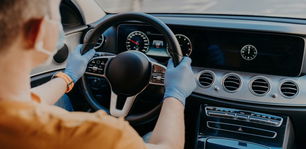
  • in car interiors and other places where resistance to high temperatures is required, trimellitate plasticisers are used.
  • phosphate plasticisers are irreplaceable in applications where flexibility is required along with high fire resistance (our solution must be promoted)

Plasticisers are used for the production of such elements as: tubes, hoses, wall and floor linings, gaskets, as well as cables and rubber strips.


Plasticisers are one of the basic plastic additives. They usually have the form of liquid or solid organic substances with surface-active properties. These substances physically affect the material to which they are added, and together form a homogeneous system. The addition of a plasticiser to a polymer causes reduction in intermolecular interactions along the polymer chain, thus providing it with specific physicochemical properties. It is capable of migrating between individual polymer chains in plastic, thus expanding the space between them, and it simultaneously serves the functions of a lubricant, reducing friction during the movement of macromolecules relative to each other. In this manner, not only are the modified materials considerably more flexible (in other words, formable; they can be shaped), but they also have a lowered brittle and glass transition as well as softening and hardening temperature, with an accompanying increase in their tensile strength. Plasticisers are substances characterised by relatively low volatility, and by variable miscibility with polymers. They are also called functional additives, since they co-create a product with different, new properties, as compared to the original material.

In terms of their chemical structure, plasticisers exhibit very high diversity. Individual substances may belong to one of the following groups of chemical compounds: alcohols, esters, ketones, fats, amines, hydrocarbons, halogen derivatives, and others. They are also categorised on this basis. Other criteria for classifying plasticisers include the field of application (e.g., building engineering, plastics processing or the electronics industry) and the molecular weight (with a distinction between monomeric and polymeric plasticisers—the former group includes substances with molecular mass of less than 500, while the latter includes those whose molecular mass exceeds 500). The most important monomeric plasticisers include esters of acid anhydrides or phosphoric, terephthalic, adipic, citric, benzoic, and sebacic acid. Polymeric plasticisers are the derivatives of butylene or propylene glycol and dicarboxylic acids, e.g., sebacic or adipic acid.

How to choose a proper plasticiser?

The right choice of a plasticiser is of considerable significance. Before it is added to a material, it is necessary to consider a number of factors which determine its effectiveness in a given application, including primarily the solubility index, the molecular mass, and the chemical structure. Moreover, it is important to verify the temperature range in which it can be used, and whether it has additives (impurities) which can negatively affect the final product, including its performance, meaning consumption per a specific amount of material. Plasticisers dedicated to strictly specified applications, e.g., as cobblestone additives, are quite common. The procedure during processing a material with a plasticiser can also considerably affect the final properties of the product. Dosage in the amount and according to the manner specified by the producer is recommended.

What are the applications of plasticisers?

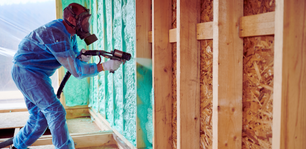
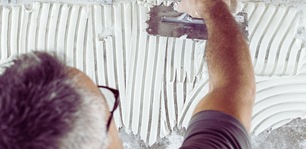
Their significance in various sectors of the industry is extremely important. In practice, they increase the flexibility of polymers, resins, cellulose derivatives and others, especially in low temperatures. Materials most frequently modified by means of plasticisers include concrete mortars and polymers, and among them primarily poly(vinyl chloride). Plastification results in flexible products made of materials which are hard and brittle by their nature. Plasticisers are widely used in such sectors of the economy as the building, chemical, plastics, cosmetics, food, and paper industries. These semi-finished products are used to produce elements such as films, soles, sealing masses, rubber hoses, artificial leather, and wall and floor coverings as well as cables and rubber straps.
The PCC Group offers a wide selection of top-quality plasticisers for industrial applications. The catalogue includes a number of products with a high concentration of the active substance. Depending on the needs, the Clients may decide about the amount and physical form of the supplied product. Particularly popular are plasticisers in the form of flakes (in bags), since this provides considerable convenience for formulators due to the ease of dosage and storage of the product as well as ease of its processing. A large portion of the products offered by the PCC Group are based on natural raw materials, and they are biodegradable. Clients who have doubts about choosing the right plasticiser are free to make use of the professional assistance of the PCC Group’s consultants by means of the contact forms on the website.